Overcurrent Elements Page 5 of 7 20120723
Validation Pickup Test Values
The instructor will use the SEL-AMS (Adaptive Multichannel Source) to inject secondary quantities into
the relay terminals to simulate faults (as indicated in Table 1).
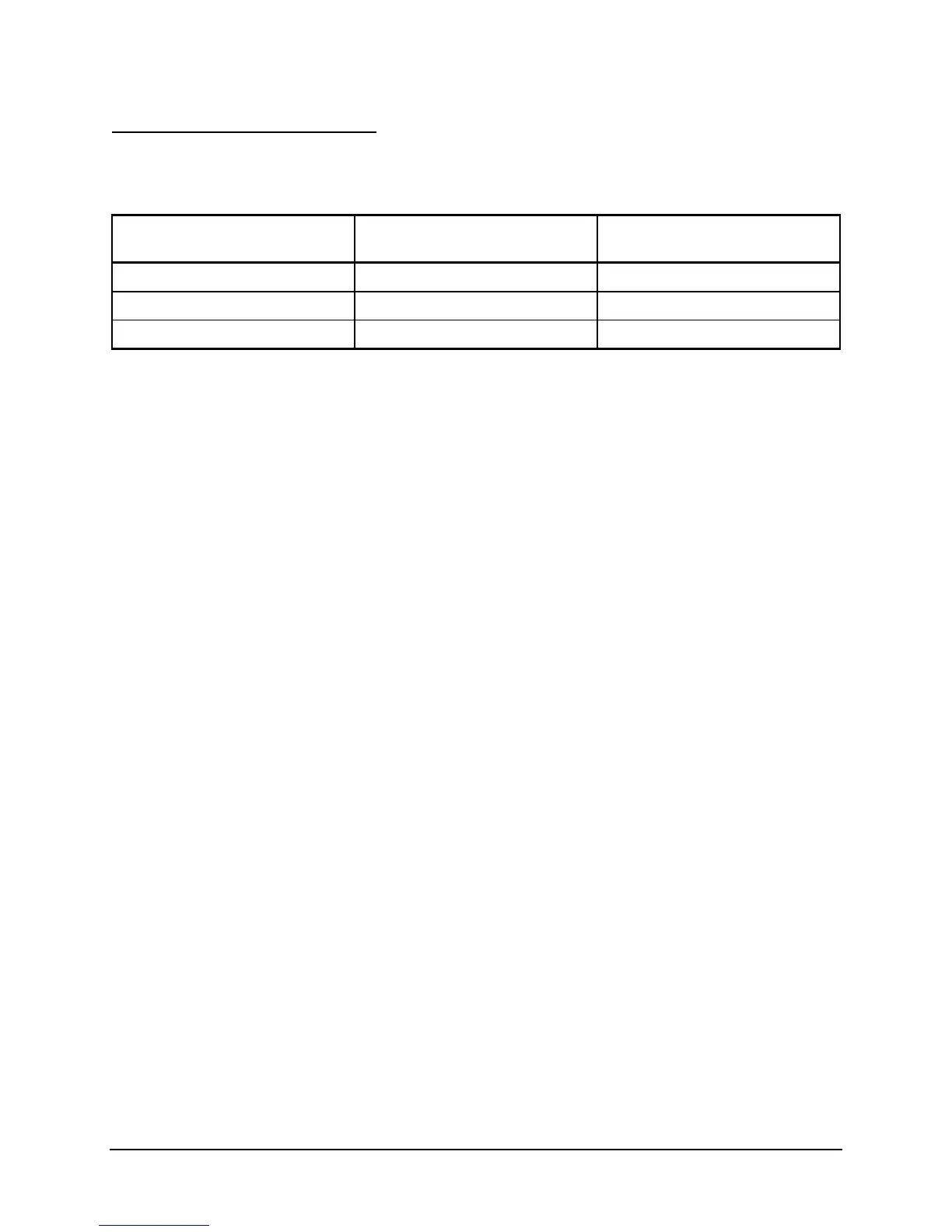
Table 1 Simulated F1 Values for Element Pickup Test
Input
(Fault Applied at F1 Location)
Element Fault
IAW1 51P1P
IAW2 51P2P
IAWn (n = 2 in this example) 50NN21P
The instructor will apply the test values to the relay using the SEL-5401 Test System Software
front-panel
function. Apply a value slightly less than the pickup setting, and slowly increase the current magnitude
until the applicable Relay Word bit asserts.
Step 1
Reset relay targets by pushing the {TARGET RESET} pushbutton located on the relay front panel.
Step 2
Clear the Sequential Events Recorder (SER) entries.
You can perform this task by using either the SER C serial port command or the
ACSELERATOR
QuickSet human-machine interface (HMI).
The instructor will apply the fault current.
Step 3
Use the TARn serial port command (n = the Relay Word bit for the element under test) or the
ACSELERATOR QuickSet HMI to verify the overcurrent element pickup.
Step 4
Verify the following
ACSELERATOR QuickSet HMI user-defined target light-emitting diode (LED)
indicators:
• Phase time-overcurrent element 51P1P asserts.
• Phase time-overcurrent element 51P2P asserts.
• Neutral instantaneous overcurrent element 50NN21P asserts.
Record the element in the “Fault” column of Table 1.


 To Next Page
 Loading...