If air leaks around the nose, readjust the nosepiece as described in Fig 3. If air leaks at the respirator edges, re-
adjust the straps along the sides of your head until a proper seal is achieved. If you cannot achieve a proper seal
due to air leakage, do not enter contaminated areas. Ask for help.
Removal Instructions
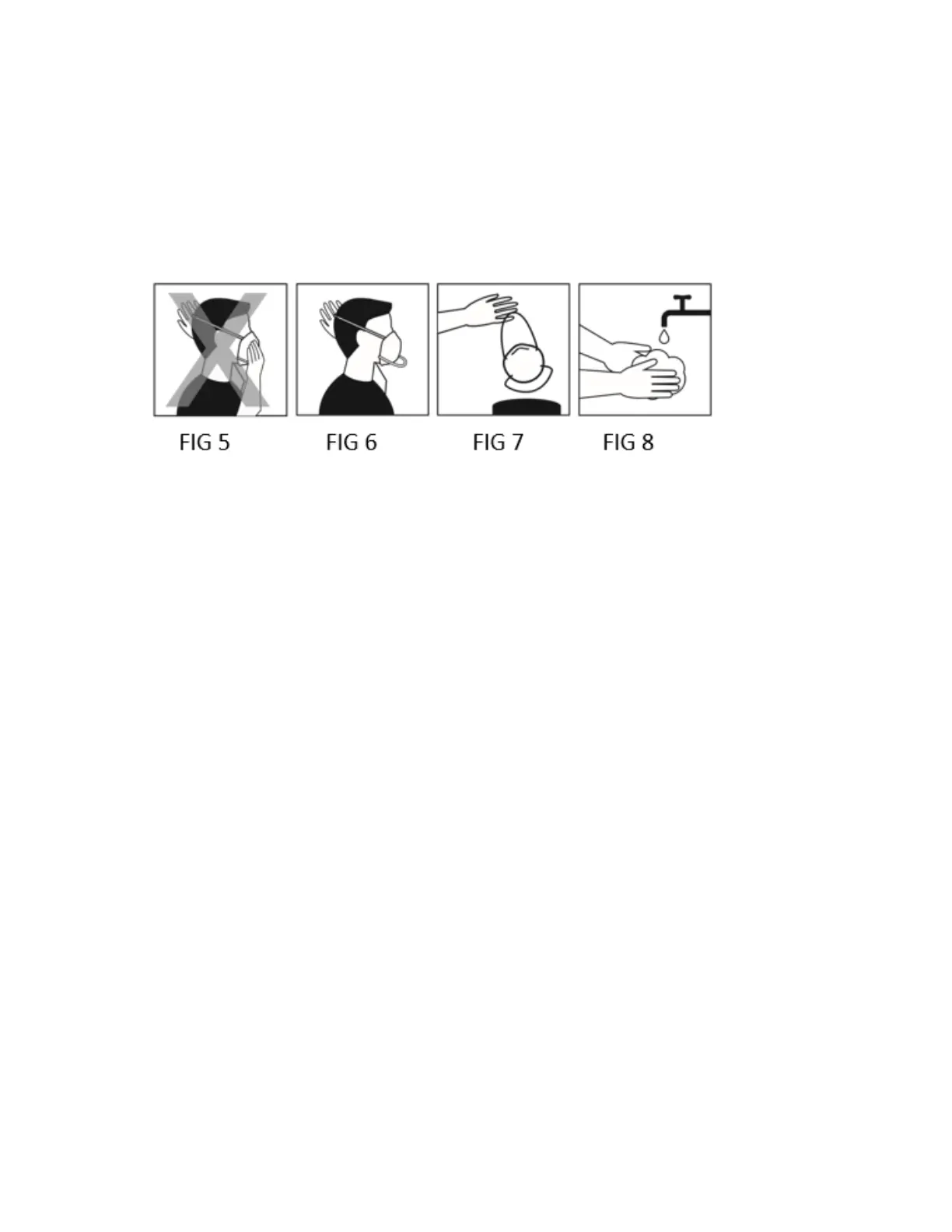
Fig 5. DO NOT TOUCH the front of the respirator. It may be contaminated.
Fig 6. Remove by pulling the bottom strap over back of head, followed by the top strap, without touching the respirator.
Fig 7. To safely discard your N95 respirator, place it in a plastic bag and put it in the trash.
Fig 8. Wash your hands after handling the used respirator.
This respirator does NOT contain natural rubber latex or PVC.
Use For
Particles such as those generated from painting, construction, or other heavy industries. Liquid or non-oil-based particles
from sprays that do not also emit oil aerosols or vapors. Follow all applicable local regulations.
Do Not Use For
Filtration of oil-based aerosols, gases, vapors, sandblasting, lead, or asbestos. Do not use in areas where the level of
contaminants is unknown, or the level poses an immediate danger to health. Do not use in environments where the
concentrations of particulates exceed U.S. Occupational Safety and Health Administration (OSHA) Permissible Exposure
Limits for specific substances. This respirator does not supply oxygen.
Time Use Limitation
Do not use respirator for more than 8 hours of continuous or intermittent use. If your respirator is damaged or soiled, or if
breathing becomes difficult, you should move to a different location, remove the respirator, discard it properly, and replace
it with a new one.
Use Instructions
1. Failure to wear this respirator during all times of exposure may result in sickness or death.
2. Failure to follow all instructions and limitations of use of this respirator may result in sickness or death.
3. Before occupational use of this respirator:
a. A written respiratory protection program must be implemented meeting all the local government requirements.
In the United States, employers must comply with OSHA Respiratory Protection Standard, 29 CFR 1910.134
which includes medical evaluation, training, and fit testing.
b. In Canada, CSA requirements must be met and/or requirements of the applicable jurisdiction, as appropriate.
4. If breathing becomes difficult, or other distress occurs, leave the contaminated area immediately and contact
supervisor.
5. Store the respirator as specified in Storage Conditions and Shelf-Life section.
6. Inspect respirator before each use, ensuring that it is in good operating condition. Examine all the respirator parts for
signs of damage including the respirator material, headbands, nose foam, and nose clip. Dispose immediately if
damaged or missing parts. Immediately replace respirator if damaged.



 To Next Page
 Loading...