
EasyManua.ls Logo

Sirius Medical Pintuition Detector - User Manual

Sirius Medical Pintuition Detector
32 pages
Print Icon
To Next Page IconTo Next Page
Loading...
001118v4.0 - US EN
Sirius Medical Systems
Sirius Pintuition Detector
Instructions for Use
1/32
Sirius Pintuition Detector
Instructions for Use
This document covers:
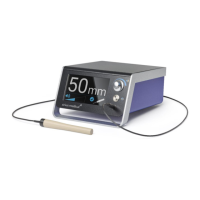
Sirius Pintuition Base Unit (SPBU)
Sirius Pintuition Probe (SPP)
Sirius Pintuition Test Kit (SPTK)
Version: 001118v4.0
Made in the Netherlands.
Sirius Medical Systems B.V.
High Tech Campus 41
5656 AE Eindhoven
The Netherlands
Contact: support@sirius-medical.com
URL: www.sirius-medical.com.
Copyright © 2021 Sirius Medical Systems
All rights reserved. No part of this Instruction may be reproduced, stored in a retrieval system, or
transmitted, by any means or in any form, without the prior permission of Sirius Medical Systems B.V.
Sirius Medical Systems assumes no responsibility for any errors that may appear in this document.
Worldwide Patents Pending.

Table of Contents

Questions and Answers

Summary

Quick Reference Guide

System Components

Identifies and describes the Pintuition Detector's physical components and their functions.

Display Icons

Explains the meaning of various icons displayed on the Pintuition Detector's screen.

Operational Guidance

Provides concise answers to common questions regarding calibration, signals, and sterility.

Introduction

Indication for Use

Details the specific medical conditions and procedures for which the Pintuition Detector is intended.

Contraindications and Limitations for Use

Outlines situations and conditions where the Pintuition Detector should not be used.

Possible Complications and Adverse Events

Lists potential risks and adverse outcomes that may occur during or after using the system.

Compatible Components

Specifies the required components for the proper and safe operation of the Pintuition Detector.

Principle of Operation

Explains the magnetic principle behind how the Pintuition Detector detects and locates the Pintuition Seed.

Explanation of Symbols

Defines the meaning of various standard symbols used throughout the manual.

Safety

Warnings

Highlights critical safety instructions that must be followed to prevent injury or device damage.

Cautions

Provides important precautions to prevent minor injuries, equipment damage, or performance issues.

Installation and Basic Operation of the Pintuition Detector

Unpacking and Inspecting

Details the initial steps of receiving, checking, and preparing the system components for use.

Device Description

Provides a detailed breakdown of the Pintuition Base Unit's front and back panels.

Pintuition Base Unit - Back

Details the components and connectors located on the rear side of the Pintuition Base Unit.

Pintuition Base Unit - Display Interface

Explains the various elements and indicators shown on the Pintuition Base Unit's display screen.

Pintuition Probe (Applied Part, Type BF)

Describes the Pintuition Probe, its cable, connector, and product label.

Pintuition Test Kit

Details the Pintuition Test Kit and its product label for system testing.

Audio

Explains the different audible tones generated by the Base Unit for system feedback.

Transport and Storage

Provides guidelines for safely handling and storing the Pintuition Detector components.

Installation

Instructs on proper placement and environmental considerations for installing the Base Unit.

Powering the Device

Details the steps for safely connecting the Base Unit to a power source.

Turning the Device On

Guides the user through the procedure to power on the Pintuition Base Unit.

Turning the Device Off

Provides instructions on how to safely power down and disconnect the Pintuition Base Unit.

Using the Pintuition Detector

Connecting the Pintuition Probe

Details the correct procedure for attaching the Pintuition Probe to the Base Unit.

Calibrating the Pintuition Detector

Provides steps for calibrating the detector, crucial for accurate measurements.

System Test: Using the Test Kit

Explains how to use the Test Kit to verify the Pintuition Detector's correct functioning.

Adjusting the Volume

Guides users on how to control the audio output volume of the Pintuition Base Unit.

Application of Sterile Sheath

Details the procedure for applying a sterile sheath to the Pintuition Probe for sterile procedures.

Detection, Directionality and Accuracy

Explains the detector's range, accuracy, and directional detection capabilities.

Surgical Procedure

Preparing the Procedure

Outlines essential steps before starting a surgical procedure with the detector.

Preoperative - Surgical Planning (No Sterile Area)

Details how to use the detector for planning incisions and locating the seed pre-surgery.

Preoperative - Sterile Draping to Prepare for Use within Sterile Area

Explains the process of sterile draping to prepare the probe for use in a sterile surgical field.

Perioperative - During Surgery (Use within Sterile Area)

Provides instructions for using the detector during surgery for guidance and confirmation.

Postoperative

Outlines steps to take after surgery, including probe cleaning and specimen handling.

Pathological Processing of the Excised Tissue

Describes handling of the excised tissue and the Pintuition Seed during pathological examination.

Disconnecting the Probe

Details the procedure for safely detaching the Pintuition Probe from the Base Unit.

Reprocessing - Cleaning and High-Level Disinfection

Pintuition Base Unit

Details cleaning procedures for the Pintuition Base Unit, emphasizing safety and material care.

Pintuition Probe

Outlines the cleaning and disinfection procedures for the Pintuition Probe and cable.

Drying

Provides instructions on how to properly dry the Pintuition Probe after cleaning or disinfection.

Maintenance, Inspection and Testing

Details routine checks, inspection for damage, and testing of the Pintuition Probe.

Handling and Storage Precautions

Covers packaging, sterilization status, storage, and additional usage information.

Manufacturer contact

Directs users to where they can obtain technical assistance from the manufacturer.

Maintenance and Service

Recommended Maintenance

Details the visual checks and system tests required for routine maintenance.

Replacing the Fuse

Explains how to safely replace the external fuse in the Pintuition Base Unit.

Repairs

Instructs users not to perform repairs and to contact Sirius Medical Systems for service.

Pintuition Detector - Disposal

Provides instructions for the proper disposal of the Pintuition Detector according to WEEE directive.

Technical Specifications

Performance Specifications

Details the detector's range, accuracy, and compliance with relevant industry standards.

Electromagnetic Compatibility

Discusses the device's susceptibility and emissions related to electromagnetic interference.

Guidance and manufacturers Declaration - Electromagnetic Immunity

Provides guidance and manufacturer's declarations regarding electromagnetic immunity for the device.

Recommended separation distance between Portable and Mobile RF Communications Equipment and the Pintuition detector

Specifies minimum distances for RF equipment to prevent interference, based on transmitter power.

Troubleshooting

Troubleshooting Errors

Explains how the detector indicates errors and the initial steps for resolving them.

Troubleshooting Tips

Offers solutions to common problems encountered during the use of the Pintuition Detector.

Obtaining Technical Assistance

Provides contact information for technical support, service, and further assistance.

Sirius Medical Pintuition Detector Specifications

General IconGeneral
BrandSirius Medical
ModelPintuition Detector
CategoryMedical Equipment
LanguageEnglish