6
to incorporate some or all of the precautions
mentioned below.
1. Air intakes should be hooded or louvered to
provide adequate protection from rain and
snow. The type of hood used will depend
upon the installation and expected weather.
2. Air intakes should always be equipped with a
“bird screen.”
At times, it may be desirable to install a prefilter
ahead of the electronic air cleaner. This is done to
remove contaminants that could be harmful to the
air cleaner or might cause excessively fast dirt
buildup or arcing in the electronic cell.
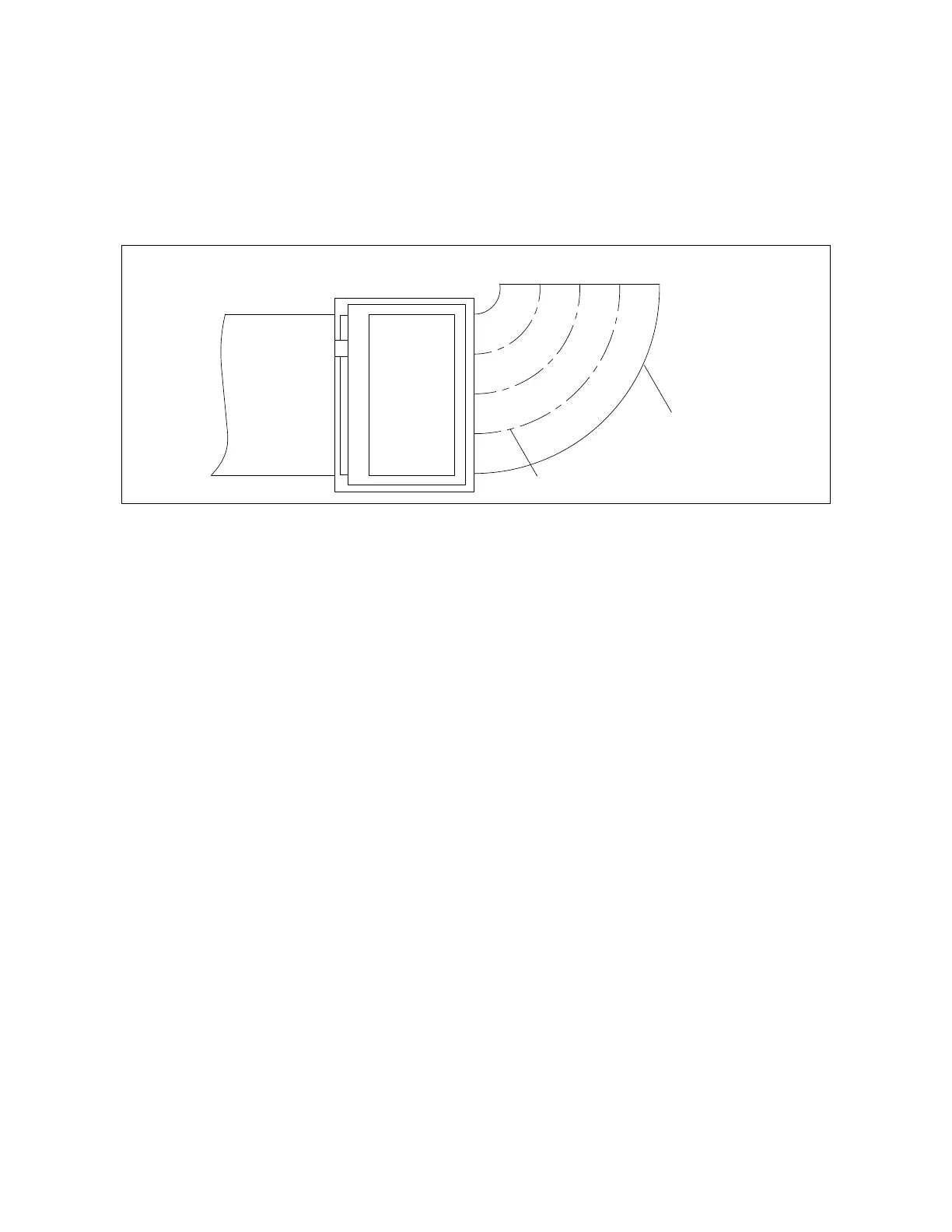
FIGURE 3 – TYPICAL INSTALLATION WITH TURNING VANES IN THE AIR DUCT.
COMMERCIAL APPLICATIONS
When deciding on the number of air cleaners
required for applications such as a restaurant,
bowling alley, store, bar or lounge, several
conditions must be considered. They are:
1. Air to be cleaned of dust, tobacco smoke,
greases, etc. These conditions may require a
higher efficiency in the electronic air cleaner
installation.
2. Capacity (cfm or m³/hr.) of equipment and
system.
3. Method of circulation must be forced air
distributed evenly to all parts of the controlled
area with the required air changes per hour.
4. Maximum number and average number of
people that will occupy controlled area.
5. The percent operating efficiency required of
the electronic air cleaner. The F72 efficiency
should be from 85 to 95 percent depending on
the application and purpose (see Efficiency
Chart, Fig. 4).
INDUSTRIAL APPLICATIONS
Sizing is determining how many air cleaning units
are required to maintain a desired level of air
quality. The process of sizing an industrial
application involves roughly figuring the number of
air cleaners needed and then modifying the figures
according to the specific characteristics of each
application.
For ambient air cleaning, the estimated number of
electronic air cleaners may be determined by the
relationship of air volume to the needed air
changes per hour.
An alternative method for calculating the estimated
number of electronic air cleaners can be used if it
is possible to measure the generation rate of the
contaminants and the allowable level of
contamination. To use either method of
calculation, consult your local sales
representative.
Regardless of the method used to calculate the
number of units needed to produce clean air, the
physical conditions of the space to be cleaned
may either limit this number or demand that more
units be installed. For ambient air cleaning, it is
important to establish a uniform airflow pattern
throughout the entire space. Limitations to the
calculated sizing may be a lack of space for
mounting areas or the number of units may
interrupt normal building operation; that is, a unit
cannot be mounted where an overhead crane will
F72 ELECTRONIC
AIR CLEANER
AIR
DUCT
TURNING VANES
RETURN
AIR DROP
DUCT


 To Next Page
 Loading...