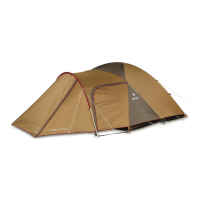
The Snow Peak Amenity Dome M (SDE-001RH) is a well-designed tent intended for outdoor use, providing shelter and a comfortable living space for campers. It emphasizes ease of setup, durability, and user safety, making it suitable for various outdoor conditions.
Function Description
The primary function of the Amenity Dome M is to provide a reliable and comfortable shelter in outdoor environments. It consists of an inner tent and a flysheet, designed to offer protection from the elements such as rain, wind, and sun. The inner tent serves as the main living and sleeping area, while the flysheet provides an additional layer of weather protection and creates a vestibule area for storage or sheltered entry. The tent is designed to be set up by two or more people, ensuring stability and correct assembly. Its structure is supported by a series of poles, including X Poles for the main structure and a Side Pole for added stability, all secured with pegs and guy lines. The tent also incorporates features like ventilators to manage airflow and reduce condensation, and various loops for hanging small items, enhancing its functionality as a temporary outdoor dwelling.
Usage Features
The Amenity Dome M is designed with several features to enhance its usability and comfort during outdoor adventures.
- Setup and Assembly: The tent is engineered for a straightforward setup process, though it requires at least two people. The poles are color-coded (yellow for X Poles, green for Side Pole) and sleeves are marked to guide users through the assembly, minimizing confusion. The inner tent is spread first, followed by the insertion of poles through designated sleeves. Pins are used to secure the poles at the corners, and plastic hooks attach the inner tent to the pole structure. The flysheet is then laid over the inner tent and secured with buckles, adjusting tapes, and pegs. This systematic approach ensures a stable and taut setup.
- Vestibule and Entrances: The tent features two entrances to the inner tent, with the side containing the "Building Tape" designated as the vestibule side and main entrance. Users are advised to orient the vestibule downwind to prevent wind and rain from entering and to avoid potential damage during strong gusts. The vestibule area provides a sheltered space, useful for storing gear or as a transitional zone before entering the main sleeping area. If the vestibule door panel is to be kept open, additional poles, ropes, and pegs are required, indicating flexibility in how the space can be utilized.
- Weather Protection: The tent employs a combination of polyester fabric for both the inner tent and flysheet, treated with a high-quality water-repellent finish. The flysheet also features a UV protection treatment to lessen the permeation of harmful ultraviolet rays and slow down material deterioration. Seam taping is applied to stitching for waterproofing, though users are recommended to apply seam sealer to specific areas like ventilators, fasteners, and bottom sheet parts for enhanced protection against heavy rain or prolonged contact with water pools. Guy lines and pegs are crucial for securing the tent against wind, and users are encouraged to carry spares for varying weather conditions.
- Ventilation and Condensation Management: Ventilators are integrated into the design to promote airflow, which is essential for reducing condensation inside the tent. Condensation is a common issue in enclosed spaces like tents, exacerbated by human respiration and external humidity. Maintaining steady ventilation is recommended to mitigate this.
- Internal Organization: Loops are provided on the roof of the tent for hanging small items, each capable of bearing up to 1kg (2.2 lbs) in weight, allowing for better organization of personal belongings within the tent.
- Safety Precautions: The manual emphasizes critical safety information. The tent material is not flame-proof, and combustion-based heat sources (lanterns, stoves, heaters, open flames) are strictly prohibited inside to prevent fire, oxygen deficiency, or carbon monoxide poisoning. Users are warned against bringing hot items into the tent, especially when children are present, due to the risk of heatstroke. Selecting a flat, well-drained area with firm ground, free from risks like avalanches, landslides, or sudden flooding, is crucial for safe pitching. The tent is not intended for permanent use, as prolonged exposure to sunlight can cause material fading and deterioration. When assembling or disassembling poles, users are advised to firmly hold them to prevent recoiling accidents and ensure the surrounding area is clear. Pegs and guy lines must be firmly secured.
Maintenance Features
Proper maintenance is key to extending the lifespan and performance of the Amenity Dome M.
- Cleaning and Drying: Before storage, the tent must be thoroughly cleaned and dried. Storing a wet tent can lead to mold, bad odors, color migration, and material deterioration. It should be dried in a breezy and shaded area, and surfaces can be cleaned with a soft brush.
- Water Repellency: The water-repellent finish will diminish over time with repeated use. Users are advised to re-apply a water-repellent spray, purchased from an outdoor gear retailer, following the product's instructions.
- Seam Sealer Application: While seam taping is applied, specific areas may benefit from user-applied seam sealer to maintain waterproofing, especially in areas like ventilators and fasteners. This should be applied lightly on both sides of the stitching and allowed to dry completely. Re-application is recommended as the sealer wears off.
- Pole Care: Poles should be cleaned and dried before storage to prevent corrosion and strength deterioration. Joints should be kept clean, and a small amount of silicone lubricant can be applied, avoiding excessive amounts that could stain the cloth. It's important not to pull the cords inside the poles unnecessarily. When disassembling, poles should be folded from the center to the edges to prevent overstretching or breakage of the internal cord. Regular checks of cord tension are recommended.
- Zipper Maintenance: Zippers can wear or get damaged if covered with mud, sand, or dust. They should be cleaned with a brush before use and regularly lubricated with a small amount of silicone lubricant for smooth movement, again avoiding excess.
- Storage Conditions: The tent should be stored in a well-ventilated area, away from heat and moisture, to prevent material degradation.
- Repair: Minor damage to the cloth can be mended using repair tape, available from outdoor gear retailers. For more extensive damage or defects, users are advised to contact the dealer or Snow Peak Customer Service.
- Regular Checks: To maximize longevity, regular checks and maintenance of the entire product, including all accessories like pegs, are recommended. This proactive approach helps identify and address issues before they become severe.

 Need help?
 General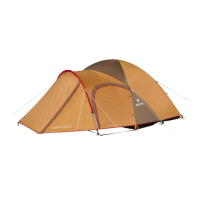




 To Next Page