These limits are designed to provide reasonable protection against harmful
interference in a residential installation. However, there is no guarantee that
interference will not occur in a particular installation. If this equipment does cause
harmful interference with radio or television reception, which can be determined by
turning the equipment off and on, you are encouraged to try to correct the
interference by one or more of the following measures:
• Reorient the receiving antenna.
• Relocate the system with respect to the receiver.
• Move the system away from the receiver.
• Plug the system into a different outlet so that the system and the receiver are
on different branch circuits.
If necessary, consult a representative of SonicWall Inc. or an experienced
radio/television technician for additional suggestions.
NOTE: This SonicWall Wireless WLAN device must be installed and used in
strict accordance with the manufacturer's instructions as described in the
user documentation that comes with the product. Any other installation or
use will violate FCC Part 15 regulations. Modifications not expressly
approved by SonicWall could void your authority to operate the equipment.
The following information is provided on the device or devices covered in this
document in compliance with FCC regulations:
• Product name:
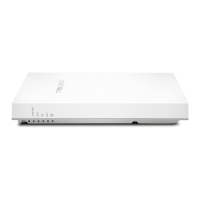
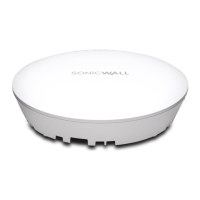
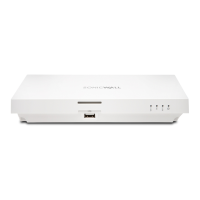
SonicWall SonicWave 231c
Regulatory Model: APL44‐0CF
• Company name:
SonicWall Inc. is the responsible party for this product. For an EMC
compliance issue or a regulatory inquiry, please use the following contact
information:
SonicWall Inc.
1033 McCarthy Boulevard
Milpitas, California 95035 USA
408‐745‐9600
Radiation exposure statement (FCC)
CAUTION: The radiated output power of this device is below the FCC radio
frequency exposure limits. Nevertheless, this device should be used in such
a manner that the potential for human contact during normal operation is
minimized. This device has been evaluated for and shown compliant with


 To Next Page