Need help?
Do you have a question about the Statesman FWM0714E and is the answer not in the manual?
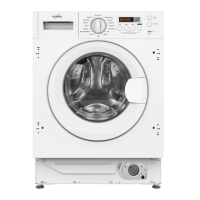
This document is a user manual for the STATESMAN FWM0714E Washing Machine.
The STATESMAN FWM0714E is a washing machine designed for domestic use. It offers various washing programs and additional functions to cater to different laundry needs. The machine is equipped with a control panel featuring a program dial and an electronic display for easy operation. It also includes a detergent drawer with compartments for main wash detergent, softener, and pre-wash detergent.
The machine features a half-load detection system, which automatically adjusts the program duration, water, and energy consumption when less than half the maximum load is placed in the machine.
Installation: Before first use, it is crucial to remove the 4 transit bolts and rubber spacers from the rear of the machine. Failure to do so can cause heavy vibration, noise, malfunction, and void the warranty. The machine's feet are adjustable to ensure it is level and operates silently and without vibration on a firm surface. Electrical connection requires a 220-240V, 50Hz mains supply with an earthed 10-amp socket. Water inlet connections should only be made using the new hoses provided, ensuring they are not trapped, kinked, twisted, folded, or crushed. Water pressure should be between 0.1 and 1 Mpa. The water discharge hose should be connected to a standpipe or household sink, placed at a maximum height of 100 cm.
Preparing Laundry: Users should follow care label instructions, separate laundry by type (cotton, synthetic, sensitive, wool), washing temperature (cold, 30°, 40°, 60°, 90°), and degree of dirtiness. Colored and white laundry should never be washed together, and dark textiles may need to be washed separately several times due to excess dye. All metallic items (nails, needles, lighters, coins) should be removed from garments and pockets. Zips should be closed, and hooks and eyes fastened. Metallic or plastic curtain hooks should be removed or placed in a washing net. Textiles like pants, knitwear, t-shirts, and sweat shirts should be reversed. Small items like socks and handkerchiefs should be washed in a washing net.
Loading Laundry: Laundry should be spread evenly in the machine, taking care not to exceed the maximum load to avoid poor wash results and creasing. The door should be gently pushed until it clicks shut.
Adding Detergent: Only detergents suitable for automatic washing machines should be used. The amount of detergent depends on the soil level and water hardness. For slightly soiled clothes without pre-wash, a small amount of detergent goes into compartment II. For excessively soiled clothes with pre-wash, 1/3 of the detergent goes into compartment I and the rest into compartment II. Softener should be placed in the middle compartment of the detergent drawer, not exceeding the MAX level. Thick softeners may need dilution. Fluid detergents can be used in all programs without pre-wash by sliding the fluid detergent level plate into the guides of compartment II.
Operating the Machine: After plugging in and turning on the water supply, open the door, spread laundry evenly, and close the door. Select a program using the program dial.
Additional Functions:
Programme End: The machine stops automatically, displaying "END". The door can be opened after 2 minutes. It is recommended to leave the door open to allow the interior to dry. The program dial should be turned to "STOP", the machine unplugged, and the water tap turned off.
Cancelling a Programme: To cancel a running program, turn the program dial to "STOP". The machine will stop and cancel the program. To drain the machine, turn the dial to any other program.
General Warning: Always turn off the mains power supply and remove the plug before any maintenance or cleaning. Turn off the water supply. Do not use solvents, abrasive cleaners, glass cleaners, or all-purpose cleaning agents, as they can damage plastic surfaces and other components.
Water Inlet Filters: These filters prevent dirt from entering the machine and should be cleaned every 2 months or when water intake is insufficient. To clean, unscrew the water inlet hose(s), use long-nosed pliers to pull out the plastic bar in the filter (both from the machine connection and the tap end), clean thoroughly with a soft brush and soapy water, rinse, and re-insert.
Pump Filter: The pump filter system prolongs the pump's life by preventing lint entry. It should be cleaned every 2 months. The filter is located behind a cover on the front-lower right corner. To clean, use the washing powder spade or liquid detergent level plate to open the cover. Place a container under the cover to collect water. Loosen the filter by turning anticlockwise, remove, and drain the water. Remove foreign materials with a soft brush, then re-fit the filter by inserting and turning clockwise. Ensure mountings inside the cover meet the holes on the front panel side before closing. Caution: Water in the pump may be hot; wait for it to cool down.
Detergent Drawer: Detergent residue can build up over time, so the drawer should be removed and cleaned every 2 months. Pull the drawer fully forward, press down, and pull it from its housing. Clean with water and a soft brush. Remove any residue from the drawer housing. Dry thoroughly and slide back into place. Do not wash the detergent drawer in a dishwasher.
Flush Stopper: Remove the detergent drawer and disassemble the flush stopper. Clean thoroughly to remove any softener residue, then refit it properly.
Body: Clean the external casing with a mild, non-abrasive cleaning agent or soap and water, then wipe dry with a soft cloth.
Drum: Avoid leaving metallic objects (needles, paper clips, coins) in the machine, as they can cause rust stains. To clean rust stains, use a non-chlorine cleaning agent and follow the manufacturer's instructions. Never use wire wool or similar hard objects.
Periodic Cleaning: It is recommended to perform periodic cleaning of the washing machine every 2 months using the Drum Clean program or Cottons-90 program if Drum Clean is not available. Limescale removers specifically for washing machines can be used when needed.
Automatic Fault Warnings: The machine has a built-in fault detection system indicated by flashing wash operation lights. Common fault codes include:
Warranty: The warranty does not cover damage caused by external factors such as fire, flooding, or other sources of damage. Installation and repairs should only be carried out by an authorized service agent. Operating the machine with transit bolts fitted will void the warranty. Using the machine for commercial purposes will also void the warranty. The manufacturer must supply spare parts for the household washing machine for a minimum period of 10 years.


 To Next Page
 General