Sutron Corporation 8310 & 7310 Users Manual 8800-1125Rev. 2.7 (BETA) 4/16/2014 pg. 80
after each channel is muxed in, in order to ensure the desired settling time wait is
satisfied.
Using FilterNotch
The filter notch parameter provides a means to adjust the conversion time to reject
noise that may be coupled onto the DC input signal. The default is 60Hz to reject the AC
power line frequency. In countries where the AC power line frequency is 50Hz, it is
recommended that 50 used. Typical conversion time for the built in analog module with
a 60Hz notch is 100mS plus the settling time.
Bridge
Bridge inputs are a special class of voltage measurements for ratiometric type sensors where the
output is dependent upon the supply voltage and where they will be powered off of Vref. Using
Bridge input type will provide slightly greater accuracy than Voltage in that the measurement
will take into account any deviation of Vref from its nominal value.
The Bridge input type uses the same settings as the voltage input type. Additional
measurements are made of VREF and the result is expressed as a ratio of the input to VREF on a
scale from 0 to 1.
Note: When specifying the input channel for a differential bridge measurement, be sure to set
the channel to the channel connected to the positive lead.
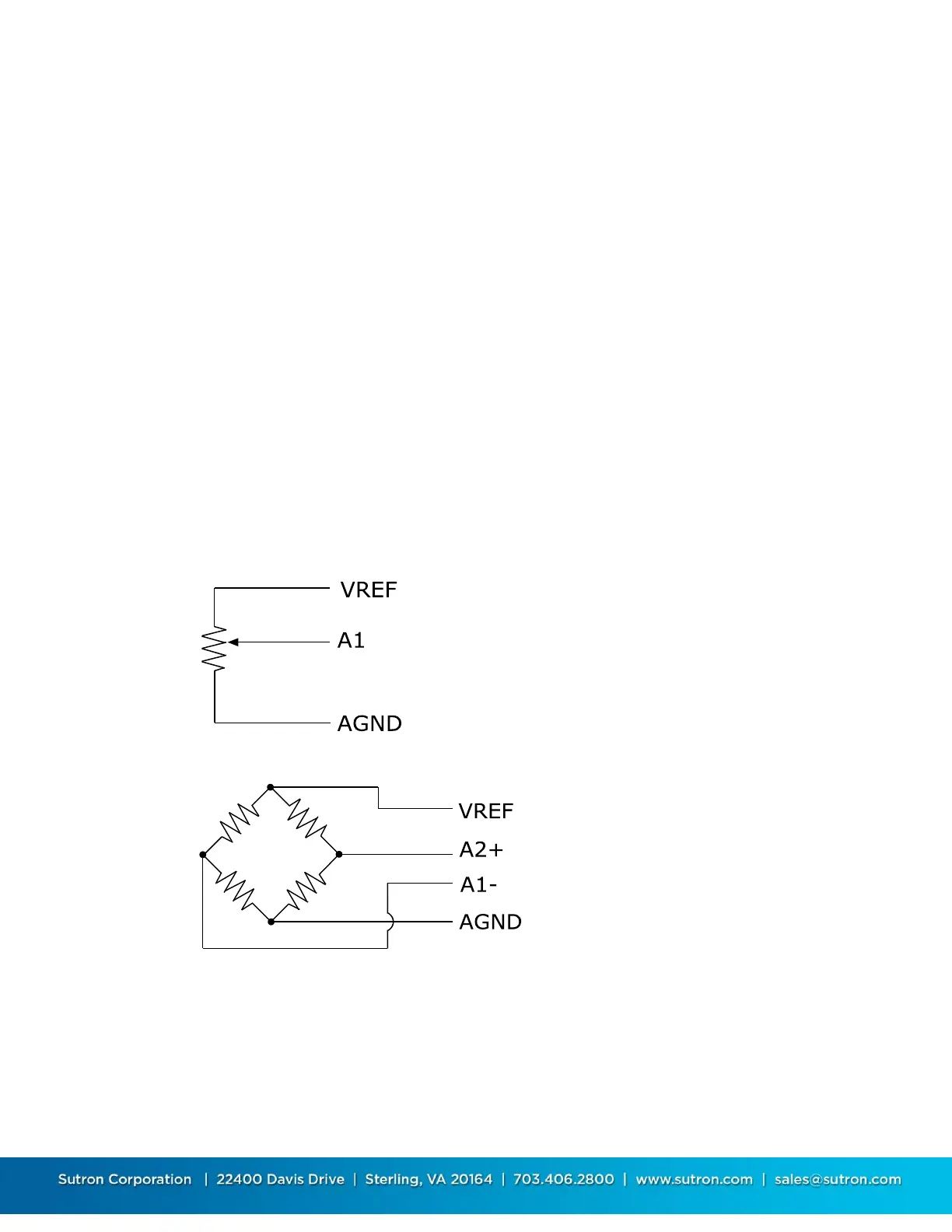
Figure 4 Single ended Bridge Measurement
Figure 5 Differential Bridge
VexciteSense
HasVexciteSense property should be set to true when measuring either 4/5 wire
potentiometer inputs, or 5/6 wire bridges. Set the VexciteSenseChannel property to the
sense channel (e.g., A2 and A3+ in the figures, below).


 To Next Page
 Loading...