Need help?
Do you have a question about the Teac VRDS-701 and is the answer not in the manual?
Instructions to turn on the unit, press MENU, and use the skip knob to display the firmware version.
Steps to uncompress the downloaded firmware file and identify the driver and updater executables.
Instructions to double-click the driver executable and proceed through the installation wizard.
Connect the unit via USB, set it to update mode, and launch the firmware updater application.
Follow prompts to confirm successful firmware update and reset the unit to standby.
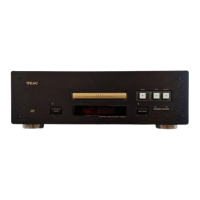
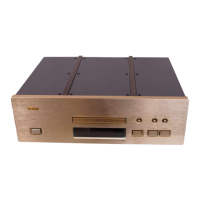
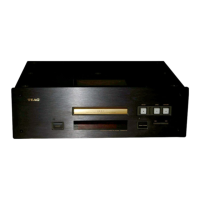
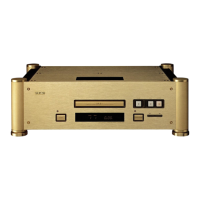
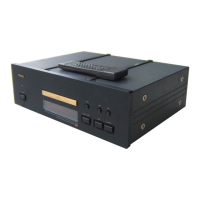
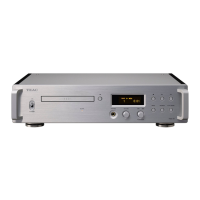
The TEAC VRDS-701 and VRDS-701T are devices that support firmware updates to enhance their functionality and performance. This manual outlines the process for updating the firmware, ensuring the device operates with the latest improvements.
The primary function described is the firmware update process, which allows users to install new software versions onto their TEAC device. This is crucial for maintaining optimal performance, addressing potential bugs, and introducing new features over time. The update process is designed to be user-friendly, guiding the user through several steps from checking the current firmware version to installing the new one.
The device's firmware update process is compatible with a wide range of Windows operating systems, including Windows 7, 8, 8.1, 10, and 11 (as of April 2023), ensuring broad accessibility for users.
To initiate the update, users must first identify the current firmware version installed on their device. This is done by turning the unit on, pressing the MENU button to access the menu screen, and then using the skip knob (◄◄/►►I) to navigate to "VERSION INFO." The number displayed next to "SYSTEM" indicates the current firmware version. This preliminary step is essential for confirming whether an update is necessary and for verifying the successful installation of a new version later.
The update itself requires a USB type-C cable, which must support data transmission, not just charging. This detail is critical as using a charging-only cable will prevent the update from proceeding. The computer used for the update can have either a USB type-A or type-C port, offering flexibility in connection.
The update procedure involves several distinct steps:
If the update fails, the system provides troubleshooting guidance, suggesting checks for correct DFU driver installation, proper USB cable connection (ensuring it supports data transmission), and even trying a different USB port on the computer. This indicates a robust design that anticipates common user errors and provides solutions.
Finally, after the update is complete, users are instructed to set the unit's STANDBY/ON switch to STANDBY and then repeat the initial steps for "Checking the firmware version" to verify that the new firmware has been successfully installed. This verification step ensures the user can confirm the update's success.
The firmware update mechanism itself serves as a key maintenance feature. By allowing users to update the device's internal software, TEAC can provide ongoing support, introduce performance enhancements, and fix any software-related issues that may arise after the product's release. This proactive approach to maintenance extends the lifespan and utility of the VRDS-701 and VRDS-701T devices. The clear, step-by-step instructions, coupled with troubleshooting tips for failed updates, empower users to perform this essential maintenance task independently, reducing the need for professional service. The emphasis on using a data-transmission-capable USB-C cable highlights a crucial detail for successful maintenance, preventing common pitfalls.
 General
| Signal-to-Noise Ratio | 110 dB |
|---|---|
| Dynamic Range | 100 dB |
| Total Harmonic Distortion | 0.002% |
| Output Voltage | 2.0 V RMS |
| Disc Type | CD |
| Output | Digital (Coaxial, Optical) |
| Frequency Response | 20 Hz to 20 kHz |
| Drive Mechanism | VRDS |
| Channel Separation | 105 dB |

 To Next Page