
 Need help?
Do you have a question about the Teba TKS-15 and is the answer not in the manual?
This document serves as the Installation & Manual for a Teba Wood Stove, Model TKS-15, which is CE certified and tested according to DIN EN 13240 standards. It provides comprehensive information for the safe and efficient operation of the wood stove.
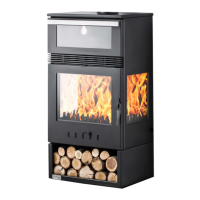
The Teba Wood Stove is an independent heating unit designed to provide comfortable warmth and the aesthetic pleasure of a fireplace view. Its body is constructed from steel, while the food heating chamber features a Teflon or enamel coating. The stove is engineered for high efficiency, attributed to its physical structure, and includes an automatic ash discharge system. The ashtray is conveniently located at the bottom, with the fire chamber also accessible from this area. The chimney output is positioned on the top plate of the product. This wood stove holds a European Standards Quality Certificate, ensuring its compliance with quality and safety regulations.
The stove is designed for ease of use, but proper operation is crucial for its longevity and efficiency. It is intended for use only by adults, and children should not be left unsupervised near the stove. The user manual emphasizes the importance of reading it carefully to understand product functions and ensure correct usage, which contributes to increased product quality and extended life, as well as proper protection of fuel and the environment. The warranty is contingent upon correct installation and adherence to the instructions provided in this guide.
For initial use, 3-4 briquette wood pieces should be placed in the fire chamber, along with small pieces of wood or paper for ignition. All glass cleaning vents must be open during this phase. Once the stove is burning, the fireplace chamber cover should be closed. Airflow control is managed via thermostatic regulation, with specific settings detailed in an attached information page. The first burn should be done carefully, keeping the flame as low as possible to prevent cracks in insulating stones, paint damage, or material deterioration. A temporary odor from the protective paint is normal, so keeping doors and windows open is recommended during initial operation.
Adding fuel requires ensuring the air vent cover of the mechanical thermostat is closed before opening the flame chamber cover. After adding fuel, the flame chamber cover should be closed, and the mechanical thermostat reset. The stove is suitable for highly efficient fuels, with approved types listed in an attached information sheet. It's important to note that wood is not a permanently combustible fuel, so overnight heating is not possible. The manual strictly prohibits burning wallpaper, chipboard waste, plastic, treated wood (paint, coating), or flammable materials like thinner, paint, or gasoline, as these can block the chimney and flue pipes, and are environmentally hazardous.
During transitional seasons or hot weather, chimney draft issues (smoke) may occur. To prevent damage, the stove should be operated with less fuel or not burned at all during these periods. The ashtray should be emptied at least once a day after extended combustion, using the ash-handle to transfer ash from the grid to the tray. This is best done when the stove is cold, and draining should be considered when the ashtray is half full. A full ashtray can impede airflow, potentially damaging product parts. Before emptying, ensure the chamber cover is closed and check for embers, even if the ash appears cold, to prevent fires.
Regular cleaning and maintenance are essential for the stove's efficiency and lifespan. The stove should be cleaned and maintained in a cold condition at least once a year, or more frequently if using coal (every 2 months). Adhering to cleaning schedules improves efficiency. Wastes accumulating on the stove and stove pipe should be cleaned with a brush. The fireplace glass can be cleaned with a wet sponge and ordinary glass cleaning material, or the flame itself can clean the glass in efficient chimneys. The chimney should be cleaned once a year by an authorized person. The stove's surface should not be cleaned with scratching or harmful cleaning materials to avoid damaging the paint.
The manual also provides a troubleshooting guide for common issues:
The company provides a 2-year warranty against production defects from the delivery date, requiring an invoice for validation. However, the warranty does not cover issues related to the pump, glass, digital card failures due to electric current fluctuations (high/low voltage), or user errors. The company commits to repairing or replacing problematic parts with manufacturer-approved spares during the warranty period and continues to offer service afterward. Users are advised to inform their dealer with the product's model number (found on the back label) for service requests. The company reserves the right to modify the product after the manual's publication.
 General
| Category | Wood stove |
|---|---|
| Heating capacity | 15 kW |
| Flue diameter | 150 mm |
| Weight | 120 kg |
| Fuel type | Wood |
| Material | Steel |

 To Next Page