The TOPDON Ninja 1000 is a diagnostic tool designed to assist users in vehicle maintenance and testing. This guide outlines the process of activating the device, installing necessary software, and connecting it for various operational scenarios. The device is primarily used in conjunction with a Windows computer and a dedicated software suite, ensuring a streamlined user experience from setup to diagnostic application.
Function Description
The primary function of the TOPDON Ninja 1000 is to provide diagnostic capabilities for vehicles. It allows users to read and analyze vehicle data, identify potential issues, and perform various tests related to a car's systems. The device operates by connecting to a vehicle's On-Board Diagnostics (OBD) port, enabling communication with the vehicle's electronic control units (ECUs). This communication facilitates the retrieval of diagnostic trouble codes (DTCs), live data streams, and other critical information necessary for accurate troubleshooting and repair.
The Ninja 1000 supports a range of vehicle makes, with specific software packages available for brands such as Chrysler, Fiat, GM, and Honda, among others. Each software package is tailored to the specific protocols and diagnostic requirements of the respective manufacturer, ensuring comprehensive coverage and accurate results. The device's ability to interface with different vehicle systems makes it a versatile tool for both professional technicians and advanced DIY enthusiasts.
Beyond basic code reading, the Ninja 1000 is designed to support more advanced diagnostic functions. While the manual doesn't detail every specific function, typical advanced capabilities in such tools include:
- Live Data Stream: Displaying real-time data from various sensors and components, allowing users to monitor engine performance, fuel system status, and other parameters as they occur.
- Component Testing: Activating specific components (e.g., fuel pump, cooling fan) to verify their functionality.
- System Scans: Performing comprehensive scans of all available vehicle systems (engine, transmission, ABS, airbags, etc.) to identify any stored fault codes.
- Service Resets: Resetting service lights or performing maintenance-related resets after repairs, such as oil change reminders or electronic parking brake resets.
- Module Information: Retrieving information about the installed control modules, including part numbers and software versions.
The device's reliance on a PC-based software suite, the TOPDON PC Suite, enhances its functionality by providing a user-friendly interface for managing software, performing updates, and potentially viewing diagnostic reports on a larger screen. This integration ensures that the device remains current with the latest vehicle models and diagnostic protocols through regular software updates.
Usage Features
The TOPDON Ninja 1000 is designed for ease of use, starting with its activation and setup process.
- Software Installation: The first step involves installing the TOPDON PC Suite on a Windows computer. This is a straightforward process, requiring users to double-click an installer, accept a user agreement, and follow on-screen prompts. Once installed, a shortcut to the PC Suite appears on the desktop, providing quick access.
- Device Activation: Activation is crucial for the device to function correctly. This process involves running the TOPDON PC Suite, connecting the Ninja 1000 to the computer via a USB cable, and creating a TOPDON account. Account creation requires an email address, a verification code sent to that email, and a login password. After creating the account, users sign into the PC Suite and register the device's serial number by clicking a "Register now" button. This step links the device to the user's account and enables its full functionality.
- Software Management: The TOPDON PC Suite serves as a central hub for managing the device's software. Users can navigate to the "Upgrade" section within the PC Suite to check for and install the latest software updates for various vehicle makes. This ensures that the Ninja 1000 is always equipped with the most current diagnostic data and capabilities. The upgrade process displays current and new versions, along with the size of the update, allowing users to select and install specific software packages as needed. A confirmation message indicates successful upgrades.
- Connection Methods: The manual outlines two primary connection scenarios for the Ninja 1000:
- Power-on and Software Check: For simply powering on the tool to check its software or settings without connecting to a vehicle, the device can be connected to a power source (likely via USB to a computer or a dedicated power adapter, though the image shows a power supply connected to the OBD main cable). This method allows users to navigate the device's interface and verify installed software.
- Vehicle Testing: For actual vehicle diagnostics, the Ninja 1000 connects directly to the vehicle's OBD port using the provided OBD main cable. In this configuration, the vehicle's battery supplies power to the Ninja 1000, eliminating the need for an external power source for the device itself. This setup is standard for most diagnostic tools, ensuring portability and convenience during vehicle testing.
- Intuitive Interface: While the manual doesn't show the device's full operational interface, the presence of physical buttons (like "OK" and directional arrows) suggests a user-friendly navigation system on the device itself. The PC Suite also provides a clear, tabbed interface for "My Device," "Upgrade," and "Information," making it easy to manage the tool.
- Vehicle Selection: Once connected to a vehicle, users select the appropriate software for the car they are testing. This step is crucial for ensuring accurate communication and diagnostic results, as different manufacturers and models use distinct communication protocols.
Maintenance Features
The TOPDON Ninja 1000 incorporates several features that contribute to its longevity and ensure it remains a reliable diagnostic tool.
- Software Updates: The most significant maintenance feature is the ability to regularly update the device's software through the TOPDON PC Suite. This is critical for several reasons:
- Expanded Vehicle Coverage: New software versions often add support for newer vehicle models and makes, keeping the tool relevant as the automotive landscape evolves.
- Improved Diagnostic Accuracy: Updates can include refined diagnostic algorithms, bug fixes, and enhanced data interpretation, leading to more accurate and reliable diagnostic results.
- New Features: Software updates may introduce new diagnostic functions or improve existing ones, expanding the tool's capabilities over time.
- Protocol Compliance: Automotive communication protocols can evolve, and software updates ensure the Ninja 1000 remains compliant with the latest standards.
The PC Suite clearly displays available updates, allowing users to easily identify and install them. The process is designed to be user-friendly, minimizing the effort required to keep the device up-to-date.
- Account Management: The TOPDON account system, managed through the PC Suite, provides a centralized way to keep track of the registered device. This system likely facilitates access to support, warranty information, and potentially a history of updates or diagnostic reports, although these specific features are not detailed in the provided excerpt.
- USB Connectivity: The use of a standard USB cable for connecting the device to a computer simplifies connectivity and potential troubleshooting. USB cables are widely available, making replacements easy if needed.
- Durable Design (Implied): While not explicitly stated, diagnostic tools like the Ninja 1000 are typically built to withstand the rigors of a workshop environment. The images show a robust casing, suggesting a design intended for durability. Proper care, such as keeping the device clean and storing it safely, will further contribute to its lifespan.
- Troubleshooting Support: Although not detailed in the excerpt, a comprehensive diagnostic tool typically comes with manufacturer support. The account creation and registration process likely serve as a gateway to accessing technical assistance, FAQs, and other resources should users encounter issues with the device or its software.
- Clear Instructions: The quick guide itself serves as a maintenance feature by providing clear, step-by-step instructions for initial setup and ongoing software management. This empowers users to maintain their device effectively without needing extensive technical knowledge.
In summary, the TOPDON Ninja 1000 is a versatile vehicle diagnostic tool that combines robust functionality with user-friendly operation and essential maintenance features, primarily driven by its integrated PC software suite. Its ability to receive regular software updates ensures its continued relevance and performance in the ever-evolving automotive diagnostic landscape.

 Need help?
 General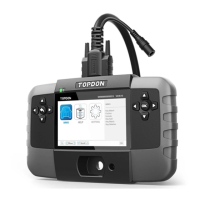

 To Next Page