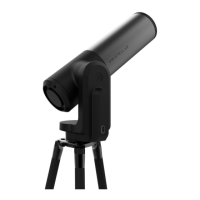
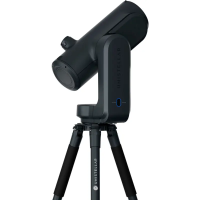
Objects like the Veil Nebula are diffi cult to observe and require darker skies
to be visible. For beginner users, start with the brightest object like M51 or
NGC 891.
To activate the AFD, you need to have a clear and dark sky, as well as a
decent focus. A bright moon can inhibit the eVscope 2 ability to recognize
stars.
Get the most out of your eVscope 2
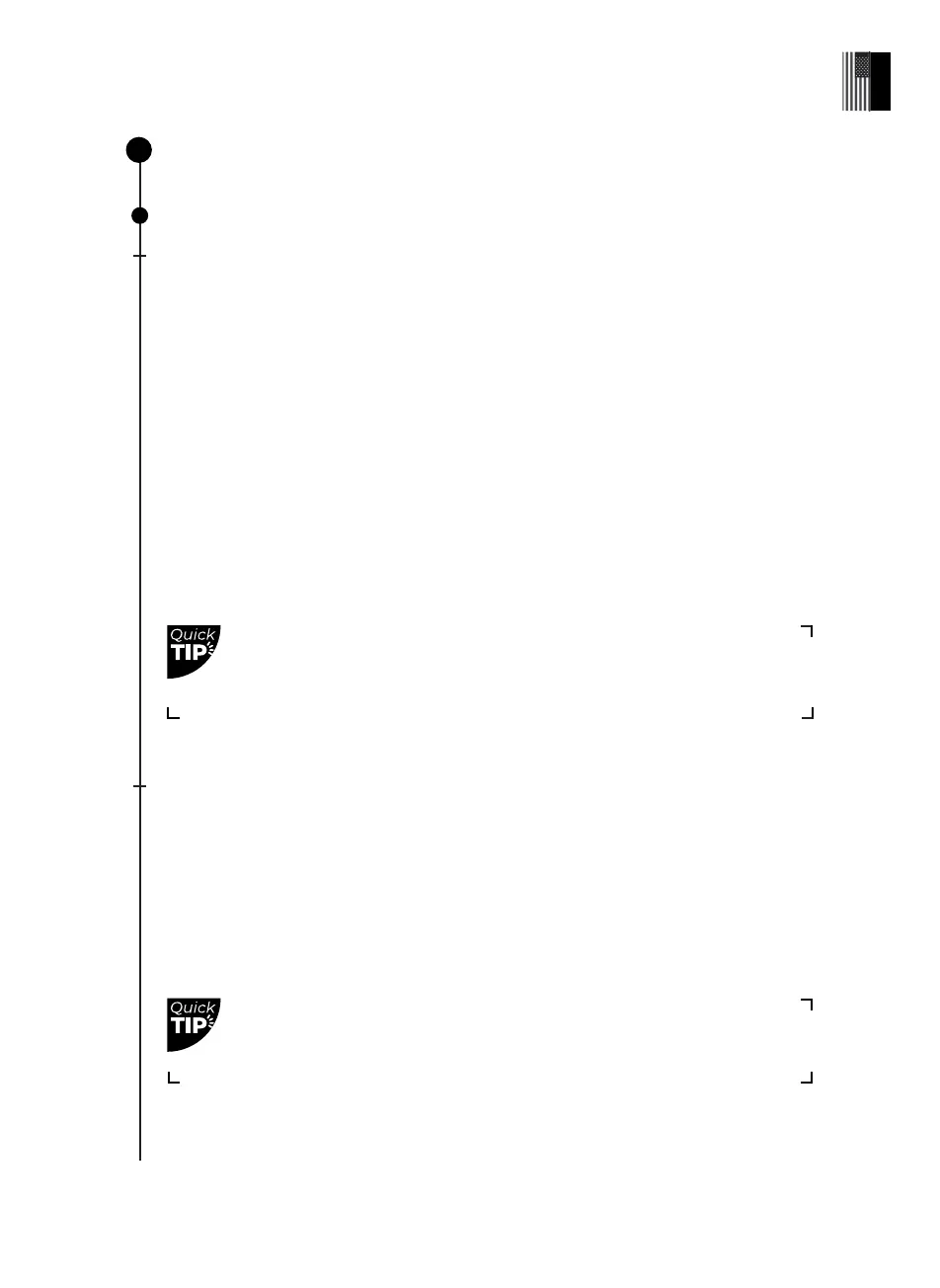
The powerful technology behind the eVscope 2
Catalog
Our catalog recommends galaxies, nebulae, stars, and comets based on your location
and time. It has thousands of objects, including:
• The main planets
• The Moon
• 110 Messier Objects
• 2500 New General Catalog targets (NGC)
• Comets
• Thousands of small solar-system bodies including main-belt asteroids, Jupiter, Trojans,
and dwarf planets (V ≤ 15.5)
Source : NED - NASA/IPAC Extragalactic Database ned.ipac.caltech.edu
You can point at targets not yet in the catalog by entering the desired coordinates in the
Alt/Az or Ra/Dec button in the Explore tab of the App.
Autonomous Field Detection
What is AFD ?
Autonomous Field Detection (AFD) is an algorithm that uses an internal map with tens of
millions of star coordinates to accurately identify any object in the eVscope 2 fi eld of view.
What does the AFD do ?
The AFD points at objects in the night sky automatically, making it easier to fi nd targets. It
also provides information about what you're observing, like distance from the Earth, size,
age, etc.
4
24 | User guide
English


 To Next Page