SET-UP AND SAFE OPERATING PROCEDURES
6-43
0056-0114
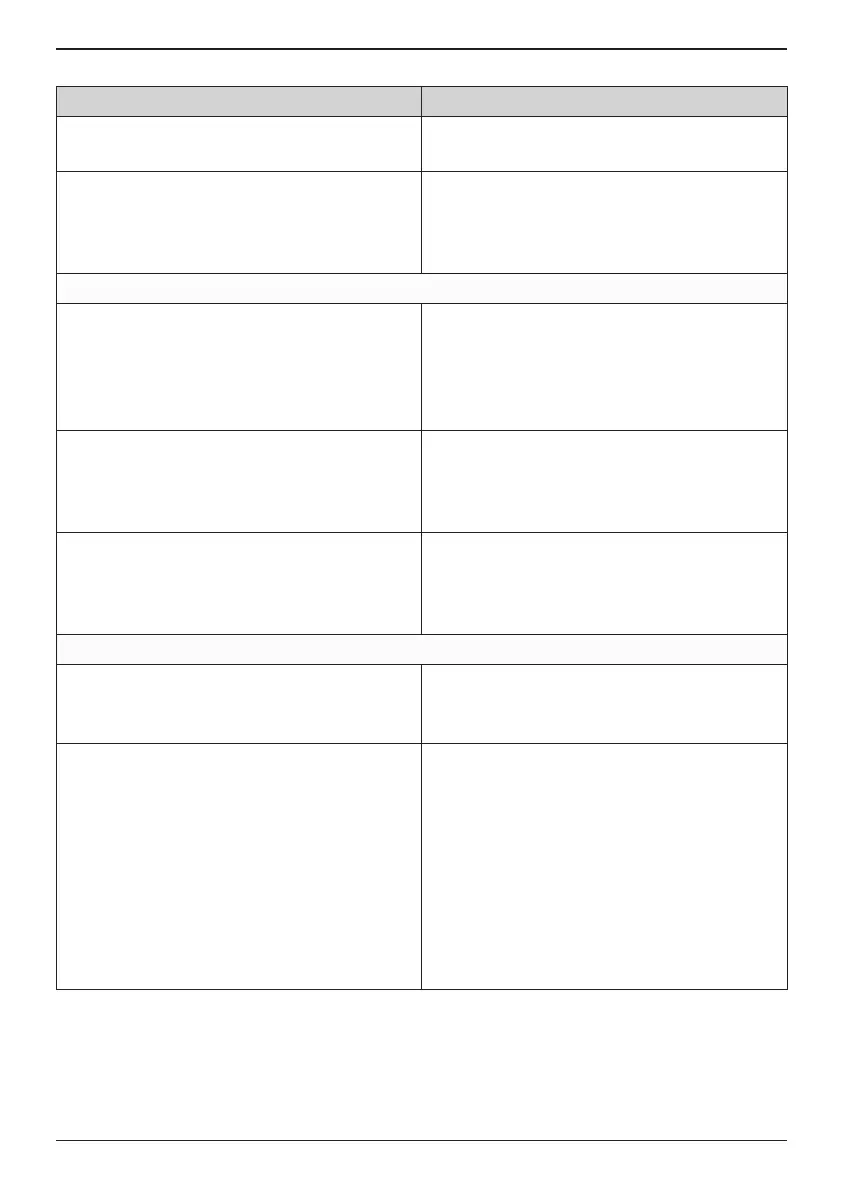
TIPS TO IMPROVE WELD QUALITY
Problem Features Corrective Action
3. Improper welding technique. 3. Be sure the flame rotation is wide enough
to melt the sides of a joint thoroughly.
4. Improper preparation of the joint. 4. The deposited metal should completely
fuse with the side walls of the plate to
form a consolidated joint of base and weld
metal.
Brittle Joints
1. Air-hardening base metal. 1. In welding on medium carbon steel or
certain alloy steels, the fusion zone may
be hard as the result of rapid cooling.
Preheating at 300 °F - 500 °F should be
resorted to before welding.
2. Improper welding procedure. 2. Multi layer welds will tend to anneal hard
zones. Stress relieving at 1100°F -1250°F
after welding will generally reduce hard
areas formed during welding.
3. Unsatisfactory welding rod. 3. The use of austenitic welding rods will
often be satisfactory on special steels, but
the fusion zone will generally contain an
alloy which is hard.
Corrosion
1. Type of welding rod used. 1. Select welding rods with the proper
corrosion resistant properties, which are
not changed by the welding process.
2. Improper weld deposit for the corrosive
fluid or atmosphere.
2. Use the proper flux on both parent metal
and welding rod to produce welds with
the desired corrosion resistance. Do not
expect more from the weld than you
do from the parent metal. On stainless
steels, use welding rods that are equal
to or better than the base metal. For best
corrosion resistance use a filler rod whose
composition is the same as that of the
base metal.
Welding Procedures


 To Next Page
 Loading...