Installation Manual: GM LT1_A1R13E
Last Updated: February 12th, 2019
Page 35 of 36
www.whipplesuperchargers.com
120. Start the engine and let it idle for 30 seconds and then shut the engine off. Check the SC oil and correct if needed.
121. Start the engine and let it idle. The engine should idle normally between 600-700 rpm. Inspect for leaks. After
running for 2 minutes turn off engine and inspect the level in the ENGINE radiator and the Intercooler tank. With
the key in the ON position engine off, inspect the coolant in the intercooler tank, the coolant should flow in the
tank. Top off as necessary.
122. Before driving make sure that you have 91 or higher-octane fuel in the system. NOT ½ tank of 87 and ½ tank of
91, ALL 91 or better fuel in the system. Do not use octane booster in fuel to get to 91.
123. DO NOT use aftermarket air filter box or duct with the supplied Whipple calibration. The Whipple calibration is
designed to work with the factory air box, factory MAF and Whipple air inlet duct and nothing else. Changes to the
air inlet system will require a custom calibration which Whipple does not provide and is not 50-state emissions
legal.
124. (Complete kits only) Install the supplied 50-state legal sticker to factory radiator shroud or on hood near factory
emissions sticker. Clean area with acetone or cleaning agent before installing.
125. Note that the ambient air temp shown on the digital display in the dash takes 2 minutes over 55MPH to reset to
read correctly after the PCM has been flashed. It will read 32deg until that time.
126. Test drive vehicle for the first few miles under normal driving conditions. Listen for any noises, vibrations, engine
misfire or anything that does not seem normal. The supercharger does have a slight whining noise under boost
conditions, which is normal.
127. Re-check the radiator and intercooler reservoir coolant level regularly over the first 1,000 miles, top off level as
needed. NOTE: It is very common for installers to leave air in the system, if pump is varying in RPM, it
has air in the system.
128. After the initial test drive, go through the belt tensioner process again. When next you start driving, gradually work
the vehicle to wide open throttle runs. Listen for any engine detonation (pinging). If engine detonation is present,
let up on the throttle immediately. Most detonation causes are low octane gasoline still in the tank. Continued
detonation can cause engine damage, contact Whipple if you are having this issue.
129. If you have questions about your vehicles performance, please check with your installation facility or call Whipple
Superchargers at 559.442.1261, Monday through Friday from 8am to 5:00pm, pacific time or email questions to
tech@whipplesuperchargers.com
.
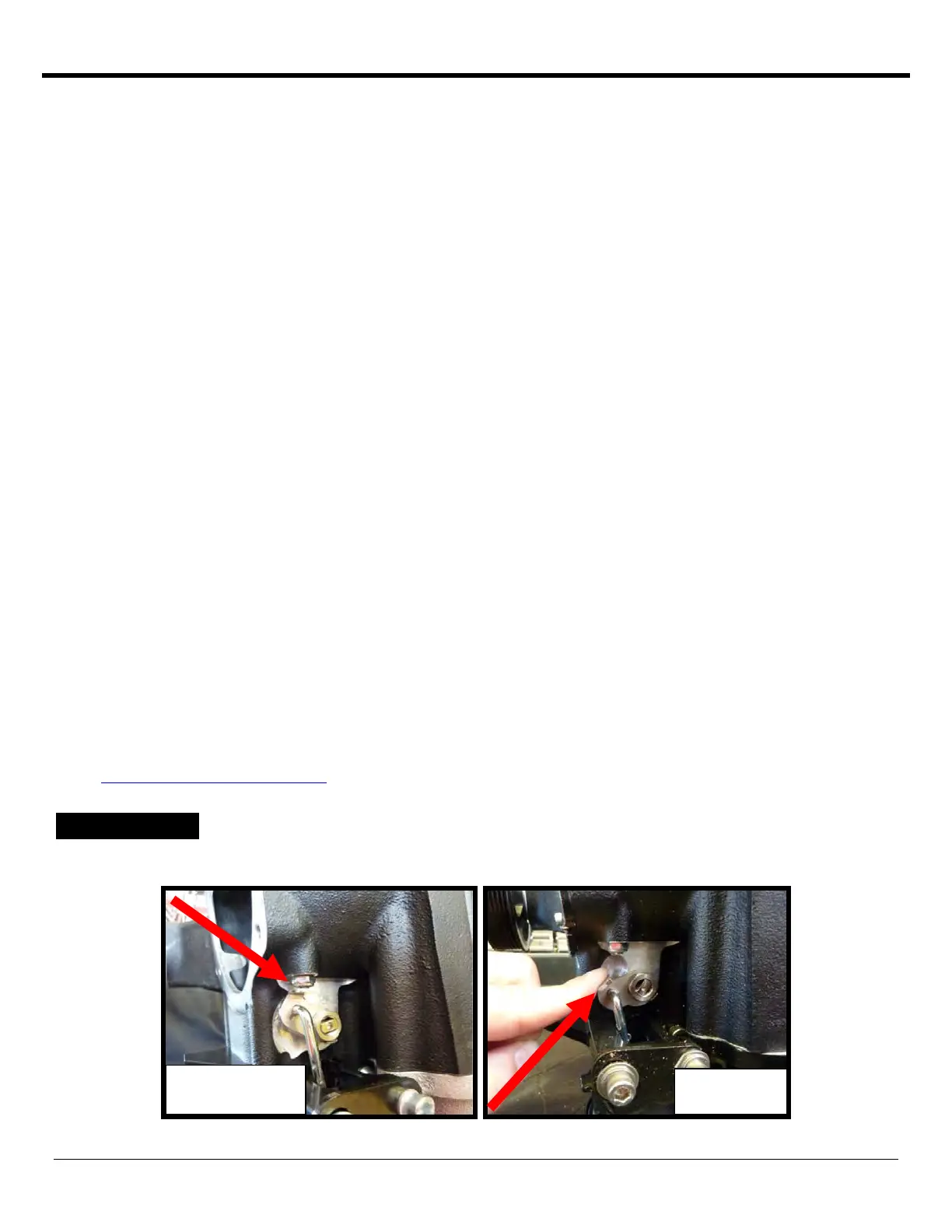
WARNING!! Verify the bypass actuator is working properly. To monitor, look at the bypass arm when the motor
is not running. Start engine and verify that the actuator arm has opened. This arm will be extended when the engine is
above 1” of vacuum (boost) and will be open when there is more than 1” of engine vacuum.


 To Next Page
 Loading...