The document is a user manual for the WINE C18 IN air-conditioner, designed for wine cellars.
Function Description
The WINE C18 IN is an air-conditioning unit specifically designed to create and maintain optimal conditions for storing and aging wine in a cellar. It regulates temperature, humidity, and ventilation, protecting wine from wide temperature variations, excessive dryness, and vibrations. The unit is installed entirely within the wine cellar, either on the floor or a suitable support, and uses insulated ducts to reject hot air outside the cellar or into a well-ventilated indoor space. It also features a heating function and an automatic defrost program.
Important Technical Specifications
- Model: WINE C18IN
- Setting Temperature: Preset to 13°C, adjustable between 4 and 15°C.
- Maximum Outdoor Temperature: 35°C.
- Cooling Power: 550 W at 15°C.
- Electricity Supply: 230-240 V - 50 Hz, with earth connection (supplied with 3m cable).
- Electrical Power: 450 W.
- Heating Power: 250 W.
- Circuit Breaker Requirement: At least 16 Amps.
- Ducts: Air intake and outlet ducts must be at least 200 mm apart. Maximum length of each duct is 10 meters (reduced by 1 meter per bend). Radius of bends must be greater than 300 mm. Duct diameter must not be reduced.
- Dimensions (approximate):
- Length: 550 mm
- Width: 470 mm
- Height: 283 mm (unit only)
- Air Inlet/Outlet diameter: 125 mm
Usage Features
- Installation: The unit is installed inside the wine cellar. It can be placed on the ground or on a horizontal support, ensuring it is level and does not transmit vibrations. Hot air is rejected via insulated ducts either outdoors or into a well-ventilated indoor space.
- Duct Installation: Connections for the ducts must be sealed to prevent condensation. The manual provides a step-by-step guide for placing the inside duct on the flue collar, securing it with adhesive tape, and then positioning the insulation duct and ring clamp.
- Water Drainage System: The unit includes a water drainage system, with instructions to slide a PVC tube onto the condensate container and secure it with a ring.
- Initial Startup: After installation, it is crucial to wait 24 hours before switching on the air-conditioner.
- Connecting the Unit: Upon plugging in, the cellar fan starts immediately. The compressor may take up to 2 minutes to activate if the cellar temperature is above the set temperature. If the temperatures are equal, the compressor will not start.
- Temperature Setting: The thermostat features a joystick for temperature adjustment. To change the setting, press the joystick symbol for 5 seconds until "SET" appears on the display. Press the symbol again briefly to view the current set temperature. Use the up (▲) or down (▼) arrows to adjust, then confirm by pressing the symbol until "SET" is displayed again.
- Indicator Lights:
- Light 2: Indicates defrosting mode.
- Light 3: Indicates heating mode.
- Light 4: Indicates the compressor is running.
- No lights lit means the cellar temperature is close to the set temperature.
- Compressor Delay: After changing a setting, the compressor will only start after a few minutes to prevent frequent startups.
- Automatic Defrost: The thermostat program includes an automatic defrost cycle several times a day. During defrost, the compressor is off, but the cellar fan continues to operate. Condensate water is evacuated through the drainage tube.
Maintenance Features
- Dust Filter Replacement: The dust filter, located outside the cellar, is essential for the proper functioning of the air-conditioner. It must be replaced as necessary, and at least once a year. A clogged filter can severely damage the unit.
- Filter Changing Procedure:
- Unscrew the two black plastic screws located under the air-conditioner.
- Remove the cover.
- Pull the tab to release the filter.
- Replace with a FONDIS filter only.
- Replace the cover.
Important Considerations for Installation and Warranty
- Cellar Insulation: Proper insulation of all four walls, the door, ceiling, and floor is critical for the Winemaster to function correctly and maintain stable temperature and humidity. The manual provides a table with minimum insulation thicknesses (Expanded Polystyrene, Extruded Polystyrene, Polyurethane Foam) based on cellar volume for a 12°C cellar temperature.
- Insulation Continuity: Insulating components should be assembled with interlocking panels or by gluing them to ensure perfect continuity.
- Wall and Ceiling Insulation: Manufacturers offer insulating panels in various forms (insulation alone, complexes with facing, sandwiches with panels on both sides). The facing protects insulation from shocks and ensures longevity. Mineral fibre insulation (Glasswool, stonewool) should not be used as it retains humidity and loses insulating capacity.
- Rodent Protection: Insulation must be protected from rodents. The cellar walls should not have holes, and insulation should be lined with a protective facing on the inner surface. Polyurethane insulation is naturally resistant to rodents.
- Floor Insulation: The cellar floor must support shelves and wine, requiring an insulating material with adequate compression resistance.
- Door Insulation: The door must maintain insulation continuity. Options include insulating an existing door with the same material as the cellar walls and adding a seal, or using a FONDIS ISOTHERMAL DOOR with polyurethane foam and a magnetic seal.
- Heat-Producing Items: No heat-producing appliances (e.g., fridges, hot water pipes) should be placed inside or pass through the cellar without insulation.
- Warranty: The WINE C18 IN comes with a two-year contractual guarantee against manufacturing defects. The warranty is valid only if the unit is installed and used according to the manual's instructions. The warranty certificate must be returned within 15 days of purchase. Exclusions include damage due to negligence, poor maintenance, defective or inappropriate use, and installations not compliant with insulation guidelines. FONDIS SA is not responsible for direct or indirect consequences of the air-conditioner's failure to function beyond the product itself.

 Need help?
 General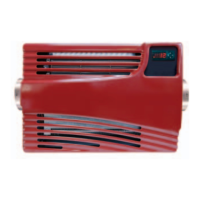

 To Next Page