
 Need help?
Do you have a question about the WP Suspension XACT PRO 7500 and is the answer not in the manual?
Explains the meaning of specific symbols used throughout the manual for clarity and understanding.
Details the typographical formats, such as proprietary names, protected names, and brand names, used in the document.
Defines the intended use of the chassis component, specifying it's for racing and not for public roads.
Outlines the different degrees of risk (Danger, Warning, Note) and associated symbols used to indicate potential hazards.
Provides crucial instructions for safe operation, including rider fitness and the component's technical condition.
Emphasizes the importance of correct installation, recommending it be performed by an authorized center for safety.
Specifies that chassis tightening torques should follow the vehicle manufacturer's instructions unless otherwise stated.
Details warranty conditions, stating work must be done at an authorized center to avoid claims being void.
Advises using only WP-approved spare parts and accessories, installed by an authorized center, for safety.
Highlights the importance of proper service and adherence to intervals for optimal performance and longevity.
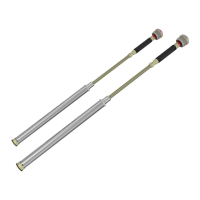
Indicates the location of the cartridge article number on the component for identification purposes.
Provides essential advice for initial setup, warning against extreme suspension modifications and recommending gradual adjustments.
Lists pre-ride checks including component damage, dust boot cleaning, fork leg bleeding, and screw tightness.
Specifies required maintenance tasks for the fork, to be performed every 40 operating hours as a periodic interval.
Outlines recommended maintenance for the fork, suggesting service after 10 operating hours as a one-time interval.
Details the procedure for safely raising the motorcycle using a lift stand, ensuring stability and securing the vehicle.
Explains how to remove standard fork legs and cartridges according to the repair manual.
Guides on installing WP PRO COMPONENTS cartridges and fork legs, noting fork springs are separate.
Describes the process for bleeding fork legs, including releasing and tightening bleeder screws to relieve pressure.
Provides instructions for cleaning dust boots and inner fork tubes to prevent dirt accumulation and oil seal leaks.
Details the procedure for safely removing the motorcycle from the lift stand, following manufacturer instructions.
Explains how to match suspension settings to rider weight for optimal characteristics and to prevent damage.
Guides on adjusting the fork's compression damping by turning the adjusting screw to specific click counts.
Details how to adjust the fork's rebound damping by turning the REB adjusting screw to specified click counts.
Provides instructions for adjusting the fork's spring preload using the preload adjuster and ring wrench.
Presents detailed technical specifications for the fork, including article numbers, damping settings, and lengths.
Specifies the required fork oil standard and classification (SAE 4), advising to use oils meeting specified properties.
Explains that SAE viscosity classes are defined by the Society of Automotive Engineers for classifying oils by viscosity.
Defines "Preload adjuster" as a device on suspension components for adjusting spring preload.
 General
| Type | Fork |
|---|---|
| Material | Aluminum |
| Spring Rate | Progressive |
| Adjustable Rebound | Yes |
| Adjustable Compression | Yes |
| Adjustable Preload | Yes |
| Body Material | Aluminum |
| Shaft Material | Steel |
| Application | Enduro |

 To Next Page