EasyManua.ls Logo

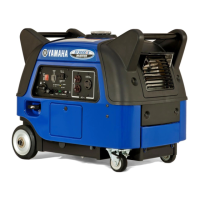
Yamaha EF3000iSE, EF3000iSEB - User Manual

Yamaha EF3000iSE, EF3000iSEB
47 pages
Print Icon
To Next Page IconTo Next Page
Loading...
Generator
LIT-19626-01-20 7CH-28199-10
PRINTED ON RECYCLED PAPER
PRINTED IN JAPAN
04
9 06 – 0.4 × 1
!
EF3000iSE
EF3000iSEB
OWNER’S MANUAL
7CH-9-10 hyoshi 4/22/04 10:20 AM Page 1

Questions and Answers

  • M
    melanie48Jul 31, 2025
    Why won't my Yamaha EF3000iSE, EF3000iSEB Portable Generator engine start?
    • N
      Nicole GrahamJul 31, 2025
      If your Yamaha Portable Generator's engine won’t start, there are several possible causes. First, ensure that fuel is being supplied to the combustion chamber and that there is fuel in the tank. If there is fuel, make sure the fuel cock knob is in the “ON” position. Other potential issues include a clogged fuel line (which would need cleaning), a clogged carburetor (also requiring cleaning), or a low oil level (requiring you to add engine oil). A poor spark might be the culprit, so remove any carbon or wipe the spark plug dry. If these steps don't resolve the issue, the ignition system could be faulty, or the piston and cylinder might be worn out, in which case you should consult a dealer. Also check for loose cylinder head nuts and tighten them properly, or replace a damaged gasket.
  • B
    Bethany BoydAug 9, 2025
    What to do if my Yamaha Portable Generator won’t produce power?
    • D
      Daniel BerryAug 9, 2025
      If your Yamaha Portable Generator isn’t producing power, check the safety devices. If the AC safety device is in the “OFF” position, stop the engine and then restart it. Also, check the DC protector; if it’s in the “OFF” position, press it to reset it.
  • D
    Donna WilsonAug 18, 2025
    How to troubleshoot starting issues with my Yamaha Portable Generator engine?
    • G
      Gabriel FoleyAug 18, 2025
      If the engine of your Yamaha Portable Generator doesn't start, it could be due to several reasons: the engine oil level might be low, requiring you to add more oil. Alternatively, the spark plug might be incorrect, in which case you should replace it or adjust the gap. If the spark plug is okay, try cleaning it. Lastly, the carburetor might be clogged, and you should either clean or replace it, or consult a Yamaha dealer for assistance.

Summary

Introduction to Yamaha Generator

PRI-I.D. Number Recording

Record identification numbers for parts and security.

Machine Identification Number

Locate and record the machine's serial number for identification.

Safety Information and Notations

Warning and Caution Symbols

Explains special notations used for important safety and operational information.

Safety Alert Symbol Meaning

Identifies the symbol indicating potential safety hazards.

Critical Operational Safety Guidelines

Hazards and Precautions

Covers exhaust fumes, fuel flammability, hot surfaces, electrical shock, and connections.

Extension Cord Safety

Provides specifications for safe extension cord usage.

Limited Warranty Details

Warranty Coverage and Period

Details warranty duration, what's covered, and exclusions.

Customer Responsibilities and Transfer

Outlines owner's duties and process for transferring warranty.

Warranty Questions and Answers

Customer Service and Address Changes

Information on obtaining service and updating contact details.

Location of Important Labels

Important Engine Information

Engine Air Index (California)

Details emissions compliance information specific to California.

Warning Label Explanation

Operational Safety Hazards

Exhaust Fumes and Fuel Risks

Details dangers of exhaust fumes and flammable fuel.

Hot Engine and Muffler Warning

Warns about hot engine and muffler parts.

Electrical Safety Precautions

Shock Prevention and Grounding

Covers prevention of electric shock and grounding requirements.

Connection Guidelines

Generator Connection and Extension Cords

Advises on safe connection practices and extension cord specifications.

Control Functions Overview

Component Identification

Identifies key external components of the generator.

Control Panel Explanation

Details the functions of buttons and indicators on the control panel.

Engine Operation Monitoring

Oil Warning System Function

Explains how the oil warning system functions and its effect on the engine.

Engine Switch Operation

Describes the function of the engine switch for starting and stopping.

Control Switches and Protectors

Economy Control Switch

Explains the function and use of the economy control switch.

DC Protector and Fuel Cock

Describes the DC protector, its reset, and the fuel cock knob.

Pre-Operation Checks

Fuel Level Verification

Guides on verifying fuel quantity and type before operation.

Engine Oil and Grounding Procedures

Engine Oil Check and Filling

Details how to check and fill engine oil to the correct level.

Grounding the Generator

Reinforces the importance of grounding the generator.

Battery Installation Procedure

Battery Handling Safety

Starting the Engine: Electric Start

Starting the Engine: Manual Start

Application Range and Load Management

Connecting AC Loads

Overload Indicator and Protection

Battery Charging Instructions

Battery Charging Safety Warnings

Stopping the Generator Safely

Periodic Maintenance Schedule

Maintenance Chart

Schedule for regular maintenance tasks.

Periodic Maintenance Schedule (Continued)

Maintenance Chart (Continued)

Continues the maintenance schedule.

Spark Plug and Carburetor Service

Spark Plug Inspection

How to inspect, clean, and gap the spark plug.

Carburetor Adjustment Advice

Recommends dealer service for carburetor adjustments.

Engine Oil Replacement Procedure

Muffler Screen and Spark Arrester Maintenance

Air Filter Maintenance

Fuel Tank Filter Maintenance

Battery Maintenance and Charging

Fuse Replacement Procedure

Troubleshooting Guide

Engine Starting Issues

Lists common causes and solutions for the engine not starting.

Power Output Problems

Addresses problems with the generator not producing power.

Detailed Troubleshooting: Engine Does Not Start

Long-Term Storage Preparation

Fuel System Drainage for Storage

Steps to prepare the fuel system for long-term storage.

Engine Protection for Storage

Procedures to protect the engine during storage.

Battery and Storage Guidelines

Battery Storage Best Practices

Instructions for storing the battery correctly.

Recommended Battery Specifications

Details the type and capacity of the recommended battery.

Exhaust Emission Control System

Technical Specifications

Dimensions and Weight

Physical measurements of the generator.

Engine and Generator Details

Technical details of the engine and generator electrical output.

Wiring Diagram: EF3000 iSE

Wiring Diagram: EF3000 iSEB

Yamaha EF3000iSE, EF3000iSEB Specifications

General IconGeneral
TypeInverter
Displacement171cc
Starting Watts3000W
Running Watts2800W
AC Voltage120V
DC Output12V
Fuel Tank Capacity3.4 gal
Run Time at 1/4 Load19 hrs
Engine Type4-stroke, OHV, single cylinder

Related product manuals