EasyManua.ls Logo

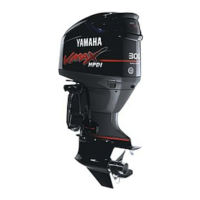
Yamaha VZ250 - User Manual

Yamaha VZ250
90 pages
Print Icon
To Next Page IconTo Next Page
Loading...
VZ200
VZ225
VZ250
VZ300
OWNER’S MANUAL
6C9-28199-14
U.S.A.Edition
LIT-18626-07-03
6C9-9-14-Hyoshi06.3.131:59PMページ1

Table of Contents

Question and Answer IconNeed help?

Do you have a question about the Yamaha VZ250 and is the answer not in the manual?

Summary

Important Manual Information

To the Owner

General introduction and guidance for new owners, emphasizing understanding operation and care.

General Information

Identification Numbers Record

Details on recording outboard motor serial and key numbers for identification and spare parts ordering.

Emission Control Information

Conforms to EPA regulations for marine SI engines and emission control certificates.

Manufactured Date and Star Labels

Location and explanation of manufactured date and CARB star emission labels for standards compliance.

Safety Information

Crucial precautions before mounting or operating the outboard motor for safe use.

Basic Boating Rules

Essential rules for operating a boat on waterways, including right-of-way and sound signals.

Fueling Instructions

Important safety precautions and steps for refueling an outboard motor to prevent hazards.

Basic Components

Main Components Overview

Identifies and illustrates key external parts of the outboard motor for user familiarity.

Gauge Units (Square Type)

Details the functions and display of square type tachometer and speedometer units.

Remote Control Operation

Explains the function and components of the remote control box for shifting and throttle.

Remote Control Lever and Adjuster

Describes operating the remote control lever and throttle friction adjuster.

Neutral Interlock and Throttle Levers

Explains the function of neutral interlock and neutral throttle levers.

Engine Stop Lanyard Switch

Details the function of the lanyard switch for emergency engine shutdown.

Main Switch Operation

Explains the operation of the main switch for controlling the ignition system.

Power Trim and Tilt Switches

Explains how to use the power trim and tilt system via controls on cowling and handle.

Trim Tab Functionality

Explains the function and adjustment of the trim tab and its role as an anode.

Top Cowling Lock Levers

Instructions on how to remove and secure the top cowling using lock levers.

Flushing Device Usage

Describes the device used for cleaning cooling water passages with a garden hose.

Water Separator System

Explains the fuel filter/water separator and its warning system.

Tachometer Gauge Functions

Details the functions of the tachometer, including engine speed display.

Digital Tachometer Details

Explains the functions and display of the digital tachometer.

Oil Level Indicators (Analog)

Describes how the analog gauges indicate the oil level status.

Overheat Warning Indicator (Digital)

Explains the digital indicator for engine overheating.

Digital Speedometer

Describes the digital speedometer for displaying boat speed.

Trim Meter Operation (Analog & Digital)

Explains how to read and adjust the trim angle using analog and digital meters.

Hour Meter Functionality

Explains how the digital hour meter tracks engine running time.

Trip Meter and Clock

Describes the trip meter, how to reset it, and how to set the clock.

Fuel Gauge Operation

Explains how the fuel gauge indicates the fuel level.

Fuel and Battery Warning Indicators

Explains the indicators for low fuel level and low battery voltage.

Command Link Multifunction Meters

Introduces the multifunction meter systems and their types.

Tachometer Unit Functions

Details the tachometer's functions, including various sensor inputs.

Oil Level and Oil Filter Warnings

Explains the warning systems for low oil level and clogged oil filter.

Water Separator Warning

Describes the warning indicator for water in the fuel filter.

Engine Trouble Warning

Explains the indicator for engine malfunctions.

Speed & Fuel Meter Unit Details

Details the functions of the speed and fuel meter unit.

Fuel Management Meter

Explains the functions of the fuel management meter.

Warning System Overview

General overview of the warning system and cautions.

Overheat Warning System

Details the engine overheat warning device and its activation.

Operation

Installation and Mounting

Precautions and guidance for installing and mounting the outboard motor.

Mounting Height Importance

Explains the importance of correct mounting height for efficiency and performance.

Engine Break-in Procedure

Procedures for breaking in a new engine to ensure proper performance and longevity.

Pre-Operation Checks

Essential checks to perform before operating the outboard motor for safety.

Fuel, Oil, Controls, and Engine Checks

Checks related to fuel, oil, controls, engine mounting, propeller, and battery.

Operation After Storage

Steps to follow when operating the engine after extended storage.

Shifting Procedures

Instructions on how to shift gears safely and correctly.

Forward and Reverse Shifting

How to engage forward and reverse gears safely.

Stopping the Engine

Procedures for safely stopping the outboard motor.

Trimming Outboard Motor

Explains the purpose of trim angle for performance and efficiency.

Adjusting Trim Angle

Guides on adjusting the trim angle using power trim switches.

Adjusting Boat Trim for Performance

How to achieve optimal boat trim for stability and efficiency.

Effects of Trim Angle (Bow Up;Down)

Explains the consequences of excessive trim-out and trim-in.

Tilting Up and Down Procedures

Procedures for tilting the outboard motor up or down for protection.

Procedure for Tilting Up

Step-by-step guide for tilting the motor up.

Procedure for Tilting Down

Step-by-step guide for tilting the motor down.

Cruising in Shallow Water

How to tilt the motor partially for shallow water operation.

Cruising in Other Conditions

Mentions operation in different water conditions like salt and turbid water.

Cruising in Salt Water

Instructions for flushing the cooling system after salt water use.

Maintenance

Specifications Overview

Technical specifications for the outboard motor, including dimensions and performance data.

Transporting and Storing Motor

Safety precautions for transporting and storing the motor.

Storing Outboard Motor Procedures

Procedures for storing the motor for prolonged periods to prevent damage.

Fuel System Preparation for Storage

Steps to prepare the fuel system for storage.

Engine Anti-Rust Measures

Procedure to protect the engine from rust during storage.

Washing the Outboard Motor

Instructions for cleaning the exterior of the motor.

Lubrication and Oil Tank Filling

Details on greasing, oil tank filling, and gear oil changes.

Cleaning and Anticorrosion

Methods to clean and protect the motor from corrosion.

Battery Care Procedures

Safety precautions and procedures for maintaining the battery.

Flushing the Power Unit

Procedure for flushing the power unit with fresh water after use.

Motor Exterior Cleaning

Instructions for washing the motor and flushing the cooling system.

Painted Surface Inspection

How to inspect and maintain the motor's painted surface.

Periodic Maintenance Schedule

General guidance on performing periodic maintenance.

Replacement Parts Guidelines

Information on using genuine Yamaha parts and accessories.

Maintenance Chart

A table outlining recommended maintenance schedules and tasks.

Additional Maintenance Chart

Additional maintenance schedules for specific components.

Greasing Points

Locations and procedures for greasing various points on the motor.

Spark Plug Cleaning and Adjustment

Steps for inspecting, cleaning, and adjusting spark plugs.

Spark Plug Torque Specification

Specification for tightening spark plugs.

Checking Fuel System Integrity

Procedures for checking fuel lines for leaks and proper function.

Fuel System Leak Checks

Checks for leaks in fuel lines, connectors, and fittings.

Inspecting Idling Speed

How to check and verify the engine's idling speed.

Engine Oil Tank Water Check

Inspecting the engine oil tank for water or foreign matter.

Wiring and Connector Checks

Verifying the security and connection of wiring and electrical connectors.

Exhaust and Water Leak Checks

Checking for exhaust and water leaks from engine joints.

Power Trim and Tilt System Inspection

Procedures for inspecting the power trim and tilt system for oil leaks.

Propeller Inspection Guide

Instructions on inspecting the propeller for damage, wear, and tangles.

Propeller Removal Process

Steps for safely removing the propeller.

Propeller Installation Process

Procedures for correctly installing a new propeller.

Changing Gear Oil Procedure

Step-by-step guide for changing the gear oil and inspecting for water.

Anode Inspection and Replacement

Guidance on inspecting and replacing sacrificial anodes for corrosion protection.

Battery Inspection (Electric Start)

Safety precautions and procedures for checking the battery.

Connecting the Battery Securely

Steps for securely mounting and connecting the battery.

Accessory Battery Connection

Instructions for wiring an accessory battery to the starting battery.

Disconnecting the Battery Safely

Proper procedure for disconnecting the battery cables.

Checking Top Cowling Fit

Inspecting the fitting and security of the top cowling.

Boat Bottom Coating Advice

Importance of a clean hull and using approved anti-fouling paint.

Trouble Recovery

Troubleshooting Common Issues

A guide to diagnosing and resolving common engine and operational problems.

Emergency Actions and Impact Damage

Procedures to follow in emergency situations and after impact damage.

Replacing Fuses Safely

Instructions on how to replace a blown fuse safely.

Power Trim;Tilt System Faults

Troubleshooting steps when the power trim/tilt system fails.

Water Separator Warning Indicator

Procedure to address the water separator warning indicator.

Engine Failure Troubleshooting

General troubleshooting for engine failure.

Low Oil Level Warning Procedure

Steps to take when the low oil level warning activates.

Submerged Motor Treatment

Procedures to minimize damage if the motor is submerged.

Consumer Information

US and Canada Warranty Information

Key information about warranty registration and coverage for US and Canadian models.

Yamaha Outboard Motor Two Year Limited Warranty

Details the terms and conditions of the two-year limited warranty.

Warranty Questions and Answers

Common questions and answers regarding warranty coverage and responsibilities.

Customer Service and Contact Info

Information on obtaining warranty service and assistance.

Change of Address Procedure

Procedure for updating your address for warranty records.

International Use Warranty Information

Warranty details for using Yamaha products outside the US or Canada.

Summary

Important Manual Information

To the Owner

General introduction and guidance for new owners, emphasizing understanding operation and care.

General Information

Identification Numbers Record

Details on recording outboard motor serial and key numbers for identification and spare parts ordering.

Emission Control Information

Conforms to EPA regulations for marine SI engines and emission control certificates.

Manufactured Date and Star Labels

Location and explanation of manufactured date and CARB star emission labels for standards compliance.

Safety Information

Crucial precautions before mounting or operating the outboard motor for safe use.

Basic Boating Rules

Essential rules for operating a boat on waterways, including right-of-way and sound signals.

Fueling Instructions

Important safety precautions and steps for refueling an outboard motor to prevent hazards.

Basic Components

Main Components Overview

Identifies and illustrates key external parts of the outboard motor for user familiarity.

Gauge Units (Square Type)

Details the functions and display of square type tachometer and speedometer units.

Remote Control Operation

Explains the function and components of the remote control box for shifting and throttle.

Remote Control Lever and Adjuster

Describes operating the remote control lever and throttle friction adjuster.

Neutral Interlock and Throttle Levers

Explains the function of neutral interlock and neutral throttle levers.

Engine Stop Lanyard Switch

Details the function of the lanyard switch for emergency engine shutdown.

Main Switch Operation

Explains the operation of the main switch for controlling the ignition system.

Power Trim and Tilt Switches

Explains how to use the power trim and tilt system via controls on cowling and handle.

Trim Tab Functionality

Explains the function and adjustment of the trim tab and its role as an anode.

Top Cowling Lock Levers

Instructions on how to remove and secure the top cowling using lock levers.

Flushing Device Usage

Describes the device used for cleaning cooling water passages with a garden hose.

Water Separator System

Explains the fuel filter/water separator and its warning system.

Tachometer Gauge Functions

Details the functions of the tachometer, including engine speed display.

Digital Tachometer Details

Explains the functions and display of the digital tachometer.

Oil Level Indicators (Analog)

Describes how the analog gauges indicate the oil level status.

Overheat Warning Indicator (Digital)

Explains the digital indicator for engine overheating.

Digital Speedometer

Describes the digital speedometer for displaying boat speed.

Trim Meter Operation (Analog & Digital)

Explains how to read and adjust the trim angle using analog and digital meters.

Hour Meter Functionality

Explains how the digital hour meter tracks engine running time.

Trip Meter and Clock

Describes the trip meter, how to reset it, and how to set the clock.

Fuel Gauge Operation

Explains how the fuel gauge indicates the fuel level.

Fuel and Battery Warning Indicators

Explains the indicators for low fuel level and low battery voltage.

Command Link Multifunction Meters

Introduces the multifunction meter systems and their types.

Tachometer Unit Functions

Details the tachometer's functions, including various sensor inputs.

Oil Level and Oil Filter Warnings

Explains the warning systems for low oil level and clogged oil filter.

Water Separator Warning

Describes the warning indicator for water in the fuel filter.

Engine Trouble Warning

Explains the indicator for engine malfunctions.

Speed & Fuel Meter Unit Details

Details the functions of the speed and fuel meter unit.

Fuel Management Meter

Explains the functions of the fuel management meter.

Warning System Overview

General overview of the warning system and cautions.

Overheat Warning System

Details the engine overheat warning device and its activation.

Operation

Installation and Mounting

Precautions and guidance for installing and mounting the outboard motor.

Mounting Height Importance

Explains the importance of correct mounting height for efficiency and performance.

Engine Break-in Procedure

Procedures for breaking in a new engine to ensure proper performance and longevity.

Pre-Operation Checks

Essential checks to perform before operating the outboard motor for safety.

Fuel, Oil, Controls, and Engine Checks

Checks related to fuel, oil, controls, engine mounting, propeller, and battery.

Operation After Storage

Steps to follow when operating the engine after extended storage.

Shifting Procedures

Instructions on how to shift gears safely and correctly.

Forward and Reverse Shifting

How to engage forward and reverse gears safely.

Stopping the Engine

Procedures for safely stopping the outboard motor.

Trimming Outboard Motor

Explains the purpose of trim angle for performance and efficiency.

Adjusting Trim Angle

Guides on adjusting the trim angle using power trim switches.

Adjusting Boat Trim for Performance

How to achieve optimal boat trim for stability and efficiency.

Effects of Trim Angle (Bow Up;Down)

Explains the consequences of excessive trim-out and trim-in.

Tilting Up and Down Procedures

Procedures for tilting the outboard motor up or down for protection.

Procedure for Tilting Up

Step-by-step guide for tilting the motor up.

Procedure for Tilting Down

Step-by-step guide for tilting the motor down.

Cruising in Shallow Water

How to tilt the motor partially for shallow water operation.

Cruising in Other Conditions

Mentions operation in different water conditions like salt and turbid water.

Cruising in Salt Water

Instructions for flushing the cooling system after salt water use.

Maintenance

Specifications Overview

Technical specifications for the outboard motor, including dimensions and performance data.

Transporting and Storing Motor

Safety precautions for transporting and storing the motor.

Storing Outboard Motor Procedures

Procedures for storing the motor for prolonged periods to prevent damage.

Fuel System Preparation for Storage

Steps to prepare the fuel system for storage.

Engine Anti-Rust Measures

Procedure to protect the engine from rust during storage.

Washing the Outboard Motor

Instructions for cleaning the exterior of the motor.

Lubrication and Oil Tank Filling

Details on greasing, oil tank filling, and gear oil changes.

Cleaning and Anticorrosion

Methods to clean and protect the motor from corrosion.

Battery Care Procedures

Safety precautions and procedures for maintaining the battery.

Flushing the Power Unit

Procedure for flushing the power unit with fresh water after use.

Motor Exterior Cleaning

Instructions for washing the motor and flushing the cooling system.

Painted Surface Inspection

How to inspect and maintain the motor's painted surface.

Periodic Maintenance Schedule

General guidance on performing periodic maintenance.

Replacement Parts Guidelines

Information on using genuine Yamaha parts and accessories.

Maintenance Chart

A table outlining recommended maintenance schedules and tasks.

Additional Maintenance Chart

Additional maintenance schedules for specific components.

Greasing Points

Locations and procedures for greasing various points on the motor.

Spark Plug Cleaning and Adjustment

Steps for inspecting, cleaning, and adjusting spark plugs.

Spark Plug Torque Specification

Specification for tightening spark plugs.

Checking Fuel System Integrity

Procedures for checking fuel lines for leaks and proper function.

Fuel System Leak Checks

Checks for leaks in fuel lines, connectors, and fittings.

Inspecting Idling Speed

How to check and verify the engine's idling speed.

Engine Oil Tank Water Check

Inspecting the engine oil tank for water or foreign matter.

Wiring and Connector Checks

Verifying the security and connection of wiring and electrical connectors.

Exhaust and Water Leak Checks

Checking for exhaust and water leaks from engine joints.

Power Trim and Tilt System Inspection

Procedures for inspecting the power trim and tilt system for oil leaks.

Propeller Inspection Guide

Instructions on inspecting the propeller for damage, wear, and tangles.

Propeller Removal Process

Steps for safely removing the propeller.

Propeller Installation Process

Procedures for correctly installing a new propeller.

Changing Gear Oil Procedure

Step-by-step guide for changing the gear oil and inspecting for water.

Anode Inspection and Replacement

Guidance on inspecting and replacing sacrificial anodes for corrosion protection.

Battery Inspection (Electric Start)

Safety precautions and procedures for checking the battery.

Connecting the Battery Securely

Steps for securely mounting and connecting the battery.

Accessory Battery Connection

Instructions for wiring an accessory battery to the starting battery.

Disconnecting the Battery Safely

Proper procedure for disconnecting the battery cables.

Checking Top Cowling Fit

Inspecting the fitting and security of the top cowling.

Boat Bottom Coating Advice

Importance of a clean hull and using approved anti-fouling paint.

Trouble Recovery

Troubleshooting Common Issues

A guide to diagnosing and resolving common engine and operational problems.

Emergency Actions and Impact Damage

Procedures to follow in emergency situations and after impact damage.

Replacing Fuses Safely

Instructions on how to replace a blown fuse safely.

Power Trim;Tilt System Faults

Troubleshooting steps when the power trim/tilt system fails.

Water Separator Warning Indicator

Procedure to address the water separator warning indicator.

Engine Failure Troubleshooting

General troubleshooting for engine failure.

Low Oil Level Warning Procedure

Steps to take when the low oil level warning activates.

Submerged Motor Treatment

Procedures to minimize damage if the motor is submerged.

Consumer Information

US and Canada Warranty Information

Key information about warranty registration and coverage for US and Canadian models.

Yamaha Outboard Motor Two Year Limited Warranty

Details the terms and conditions of the two-year limited warranty.

Warranty Questions and Answers

Common questions and answers regarding warranty coverage and responsibilities.

Customer Service and Contact Info

Information on obtaining warranty service and assistance.

Change of Address Procedure

Procedure for updating your address for warranty records.

International Use Warranty Information

Warranty details for using Yamaha products outside the US or Canada.

Yamaha VZ250 Specifications

General IconGeneral
BrandYamaha
ModelVZ250
CategoryOutboard Motor
LanguageEnglish

Related product manuals