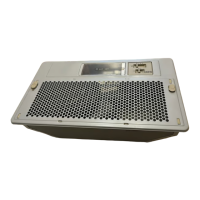
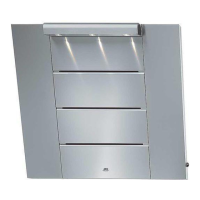
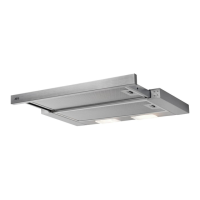
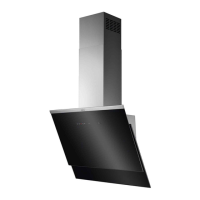
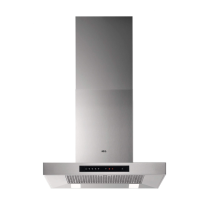
This document serves as a user manual for Electrolux range hoods, specifically models LFG525S, LFG525W, LFG525K, LFG517X, LFG615X, and LFG615W. It provides comprehensive information on safety, usage, maintenance, controls, and lighting.
Function Description
The Electrolux range hood is designed to purify air in domestic kitchens above cooktops, cooking devices, and similar kitchen equipment. It can be installed in two versions:
- Ducting version: The hood purifies the air and evacuates it to the outside through an exhaust duct. This is generally recommended for better efficiency.
- Filtering version: The hood purifies the air and recycles the clean air back into the room. This version requires activated charcoal filters.
Important Technical Specifications
- Minimum distance from hob: The minimum distance between the hob surface (where pans stand) and the lower part of the hood must be 65 cm, unless otherwise specified in the installation instructions. If the hob installation instructions specify a greater distance, that distance must be observed.
- Air discharge: Collected air must not be conveyed into a duct used to blow off fumes from appliances powered by non-electric energy (e.g., central heating systems, thermosiphons, water heaters). Exhaust air should not be discharged into a wall cavity unless specifically designed for that purpose.
- Room ventilation: Adequate room ventilation is crucial when the hood operates simultaneously with other non-electric heat equipment (gas, oil, coal heaters). The negative pressure in the room should not exceed 0.04 mbar to prevent re-intake of exhaust gases from the heat source.
- Electrical connection:
- Some models (indicated by a specific symbol on the data label) belong to Class II insulation and do not require earthing.
- Other models (without the specific symbol) must be earthed. Ensure the current socket has a ground connection.
- Verify that voltage values correspond to those on the appliance's data plate.
- If the appliance is not fitted with a supply cord and plug or other means for disconnection from the supply mains with an all-pole contact separation (providing full disconnection under overvoltage category III conditions), the disconnection means must be incorporated into the fixed wiring according to wiring rules.
- If the unit has a power lead and plug, position it to ensure the plug is accessible.
- Power cord: If the supply cord is damaged, it must be replaced by the manufacturer, its service agent, or similarly qualified persons to avoid hazards.
- Installation: Installation must be performed by a qualified person in compliance with the provided instructions. Failure to install screws or fixing devices correctly can result in electrical hazards.
Usage Features
- Controls (Models LFG525S, LFG525W, LFG525K):
- Switch A (LIGHT): Position 0 for light off, Position 1 for light on.
- Switch B (MOTOR SPEED): Selects motor operating speed. Position 0 for motor off.
- C (Motor on light): Indicates when the motor is running.
- Controls (Models LFG517X, LFG615X, LFG615W):
- Button P1: First speed motor ON/OFF switch.
- Button P2 (LFG615X, LFG615W): Changes motor speed (1-2-3-P-1-2-3-P...). The 4th speed ("P" for Booster) remains active for 5 minutes, then reverts to the 3rd speed.
- Button P2 (LFG517X): Changes motor speed (1-2-3-4-1-2-3-4...).
- Button P3 (Timer): Activates/deactivates a 5-minute timer. When active, the number corresponding to the speed flashes.
- Button P4 (Lights): Turns lights on/off.
- Button P1 + P4 (Filter Alarm Reset): Resets the filter alarm. When "F" flashes (40 hours of operation), grease filters need cleaning. When "C" flashes (160 hours of operation), charcoal filters need replacing, and grease filters need cleaning. The alarm is visible for approximately 30 seconds when the motor is off. To reset the hour counter, press P1 and P4 simultaneously for 2 seconds while the alarm is displayed.
- Safety during cooking:
- Avoid using flammable materials near the appliance.
- Do not flambé under the range hood.
- Exercise extreme caution when frying to prevent oil and grease from catching fire, especially used oil.
- Do not use uncovered electric grates.
- Children and vulnerable persons: This appliance can be used by children aged 8 and above, and persons with reduced physical, sensory, or mental capabilities or lack of experience/knowledge, if they are supervised or instructed on safe use and understand the hazards. Children should not play with the appliance. Cleaning and user maintenance should not be performed by children without supervision.
- Hot surfaces: Accessible parts may become hot when used with cooking appliances.
Maintenance Features
- General maintenance: Thorough servicing ensures correct and long-lasting operation. Avoid abrasive or corrosive products.
- External cleaning:
- For painted surfaces, use a cloth dipped in lukewarm water and neutral detergent.
- For steel, copper, or brass surfaces, use specific products according to their instructions.
- Internal cleaning: Use a cloth (or brush) dipped in denatured ethyl alcohol.
- Grease filters:
- Clean periodically (at least every 2 months) to prevent fire risks.
- Can be hand-washed or cleaned in a dishwasher with neutral detergent. Dishwasher washing may cause discoloration, but this does not affect filter functionality.
- Activated charcoal filters (for filtering version):
- Not washable or regenerable.
- Must be replaced approximately every 4 months of operation, or more frequently with heavy usage.
- Lighting: If the light spot is damaged, it must be replaced only by the manufacturer, its service agent, or similarly qualified persons to avoid hazards.
- Electricity supply: Always switch off the electricity supply before carrying out any cleaning or servicing operations.
Environmental Concerns
- Recycle packaging materials in applicable containers.
- Do not dispose of appliances marked with the symbol (crossed-out wheeled bin) with household waste. Return the product to a local recycling facility or contact your municipal office. This helps protect the environment and human health by recycling electrical and electronic appliance waste.

 Need help?
 General

 To Next Page