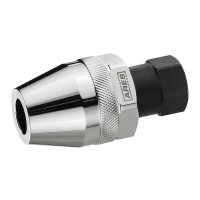
The ARES Manual/Pneumatic Fluid Extractor with Bleed Adapter, model 15081, is a versatile tool designed for the efficient extraction of various fluids and for bleeding hydraulic brake systems. This device is engineered to cater to a broad range of applications, from automotive maintenance to industrial machinery upkeep, offering both manual and pneumatic operation modes for user convenience and adaptability.
Function Description:
The primary function of this unit is the extraction of fluids. It is specifically designed for removing all types of engine, transmission, and lubricating oils from a wide array of vehicles and machinery, including cars, motorcycles, marine engines, and industrial equipment. Beyond oils, it is also suitable for extracting low-viscosity fluids such as water, making it a multi-purpose tool for fluid management.
In addition to fluid extraction, the device incorporates a bleed adapter, enabling its use for bleeding hydraulic brake systems. This dual functionality makes it a valuable asset for comprehensive vehicle maintenance, addressing both fluid changes and critical brake system servicing.
Important Technical Specifications (Inferred from Manual):
While specific numerical technical specifications like capacity, pressure ratings, or material composition are not explicitly detailed in the provided manual, several operational characteristics can be inferred:
- Operation Modes: The unit supports two distinct operation modes:
- Manual Operation: This mode involves raising and pumping a handle on top of the cover to create a vacuum and extract fluid. This is ideal for situations where compressed air is unavailable or for precise control over the extraction process.
- Pneumatic Operation: This mode utilizes compressed shop air to generate a vacuum for fluid extraction. This offers a faster and less labor-intensive method, particularly for larger volumes of fluid.
- Fluid Compatibility: Designed for "all types of engine, transmission and lubricating oils" and "low viscosity fluid such as water." This indicates a broad compatibility with common automotive and industrial fluids.
- Probe Selection: The unit comes with a selection of extractor probes, suggesting different sizes or designs to accommodate various dipstick tube diameters and reach depths.
- Bleed Screw Adapter: Includes a specific adapter for connecting to bleed screws on wheel brake cylinders, ensuring a secure and effective connection for brake bleeding.
Usage Features:
The ARES Fluid Extractor is designed with several features to enhance its usability and effectiveness:
- Versatile Application: Its ability to extract various fluids from different types of engines and machinery, coupled with its brake bleeding capability, makes it a highly versatile tool.
- Dual Operation Modes: The choice between manual and pneumatic operation provides flexibility depending on the user's preference, available resources, and the specific task at hand.
- Ease of Fluid Extraction:
- Probe Insertion: Users select a suitable probe and insert it through the dipstick tube to the bottom of the oil pan. The manual emphasizes not bending the probe during insertion, highlighting the importance of proper technique.
- Connection: The extractor probe connects directly to the suction hose, streamlining the setup process.
- Suction Mode Activation: A function knob on top of the cover is pushed inward to activate suction mode, and a discharge valve at the back is pushed upward.
- Brake Bleeding System Integration:
- Pre-Bleed Preparation: The manual stresses the importance of ensuring the master cylinder is full of new brake fluid and recommends using an automatic master cylinder refill kit for continuous fluid supply during bleeding.
- Air Connection: For pneumatic bleeding, clean, regulated compressed air is connected to a male quick-change nipple. For manual bleeding, the unit is pumped to achieve the desired pressure.
- Bleed Screw Adapter: The bleed screw adapter slips over the nipple of the bleed screw, ensuring a tight seal.
- Vacuum Operation: The vacuum bleeder is operated by squeezing a handle, allowing vacuum to build up before suction begins.
- Controlled Bleeding: Users loosen the bleed screw slightly to allow fluid to drain visibly, and the process continues until new fluid flows through the bleed tube (typically 20-30 seconds).
- Air Introduction Mitigation: The manual acknowledges that air may be sucked around bleed screw threads during the process, which is normal. It suggests coating threads with silicon grease to reduce this.
- Post-Bleed Procedure: Emphasizes closing the bleed screw firmly before removing the adapter or shutting off the bleeder, and ensuring the bleeder is still pulling a vacuum when the screw is closed. This prevents air from re-entering the wheel cylinder.
- Master Cylinder Monitoring: If an auto-refill system is not used, periodic checking and topping off of the master cylinder fluid level is crucial.
Maintenance Features (Inferred from Warranty and General Best Practices):
While the manual does not explicitly detail routine maintenance procedures for the device itself, the warranty information and general operational guidelines imply certain aspects:
- Durability and Longevity: The "LIMITED LIFETIME WARRANTY" (with specific exclusions for electrical/electronic components and consumables) suggests the product is built for durability, implying that with proper use, it should require minimal internal maintenance.
- Proper Storage: The warranty explicitly mentions that negligence, misuse, abuse, accident, improper storage, alteration, improper repair, disassembly, and/or reassembly are not covered. This underscores the importance of proper storage and handling to maintain the unit's condition and functionality.
- Cleanliness: The instruction to ensure all bleed screws are clean before connecting the adapter for brake bleeding highlights the general importance of cleanliness in tool usage to prevent contamination and ensure effective operation.
- Consumables: The warranty excludes "blades, bits, bit sockets, carrying cases, pouches, torque products, punches, dies, bulbs, fuses, batteries, and other consumables which must be replaced under normal use and service." While not directly applicable to the extractor's core mechanism, this implies that any replaceable parts or accessories specific to the extractor (e.g., probes, hoses, seals, if they are considered consumables) would fall under this category and might require periodic inspection and replacement.
- Safe Operation: The "ALWAYS WEAR EYE PROTECTION THAT COMPLIES WITH ANSI STANDARD" warning is a critical safety measure that indirectly contributes to the longevity of the user and the proper handling of the tool, preventing damage due to accidents.
- Reference for Future Use: The instruction "STORE THIS MANUAL IN A SAFE PLACE FOR FUTURE REFERENCE" is a key maintenance feature, ensuring that users can always refer back to proper operating and care instructions, which is fundamental for maintaining any tool.
In summary, the ARES Manual/Pneumatic Fluid Extractor with Bleed Adapter is a robust and versatile tool designed for efficient fluid management and brake system servicing. Its dual operation modes, thoughtful design for ease of use, and emphasis on proper technique contribute to its effectiveness in various applications. While specific maintenance details for the unit itself are not provided, adherence to general care, proper storage, and following operational instructions are crucial for its long-term performance, as implied by the comprehensive warranty and safety guidelines.

 Need help?

 To Next Page
 General