EasyManua.ls Logo

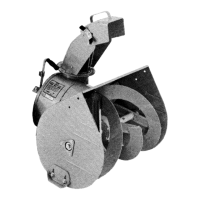
Ariens 10995 - Operating Instructions; Safe Snow Removal Practices; Attaching the Sno-Thro Attachment; Sno-Thro Operation

Ariens 10995
4 pages
Print Icon
To Next Page IconTo Next Page
To Previous Page IconTo Previous Page
Loading...
SAFE
SNOW
REMOVAL IS
NO
ACCIDENT
Improper
use
of
snow
removal
equipment
on
the
part
of
the
operator
can
result
in
injury.
To
reduce
this
possibility,
give
complete
and undivided
attention
to
the
job
at
hand.
Protect
Yourself
and
Others
by
Following
These
Safety
Tips
1. Stop engine
before
cleaning
discharge,
removing
obstacles,
making
adjustments,
or
when
leaving
operating
position.
2.
Never
direct
discharge
at
bystanders
nor
allow
anyone
in
front
of
machine
--
debris
may
be
hidden
in
the
snow.
3. Keep
children
and
pets
a
safe
distance
away.
4.
Do
not
allow
children
to
operate
machine
nor
allow
adults
to
operate
it
without
proper
in-
structions.
5.
Adjust
height
to
clear
gravel
or
crushed
rock
surface.
6.
Exercise
caution
to avoid
slipping
or
falling,
especially
when
operating
in
reverse.
7. Know
the
controls
and how to
stop
quickly
--
read
the
operating
instructions.
8. Handle
gasoline
with
care
--
it
is
highly
in-
flammable.
A.
Use
approved
gasoline
container.
B.
Never
add
gasoline
to running engine
--
fill
tank
out
of
doors
and wipe up
spilled
gasoline.
C.
Replace
gasoline
cap
securely.
D. Open
doors
if
engine
is
run
in
garage
--
exhaust
gases
are
dangerous.
9.
Disengage
all
clutches
and
shift
into
neutral
be-
fore
starting
engine. Keep
hands,
feet
and
clothing away
from
power
driven
parts.
lO.Use
a
grounded
three
wire
extension
cord
for
all
plug-in
electric
units.
ll.Keep
machine
in
good
operating
condition and
keep
safety
devices
in
place.
OPERATING
INSTRUCTIONS
1.
ATTACHING 3. RUNNERS
a.
Sno-Thro
Attachment.
(1)
Hook
the
notches
in
the
lower
portion
of
the
Sno-Thro
Attachment
frame
over
the
rod
passing
through
the
forward
section
of
the
tractor
frame.
(2)
Tip
the
two
sections
together,
being
sure
the
jaw
clutch
on
the
Sno-Thro
Attachment
is
in
the
OUT
position
(counterclockwise).
(3)
Insert
and
tighten
the
two
3/
8-inch
whiz-
lock
screws
through
the
top
of
the
tractor
frame
and
into
the
Sno-
Thro
Attachment.
b.
Chute
Control
Rod.
(1)
Fasten
the
chute
control
crank
to
the
trac-
tor
handle
bar
with
the
hardware
provided.
Position
the
worm
gear
·so
that
it
meshes
properly
with
the
chute.
Fasten
securely.
2. OPERATION
a.
Tractor.
For
operation,
see
the
section
on
OPERATION
in
the
instruction
book
packed
with
the
tractor.
b.
Sno-Thro
Attachment.
(1) To
start
the
Sno-Thro
Attachment,
start
the
engine,
place
the
Sno-
Thro
clutch
in
the
IN
po-
sition
(clockwise) and engage
the
engine
clutch
on
the
tractor.
(2)
To
stop
the
Sno-Thro
Attachment,
disen-
gage
the
engine
clutch
on
the
tractor
and
place
the
Sno-Thro
clutch
in
the
OUT
position.
(3)
The
tractor
may
be
used
to
move
the
unit
with
the
Sno-Thro
Attachment
stopped
by
engaging
the
tractor
clutch
and
leaving
the
Sno-Thro
clutch
in
the
OUT
position.
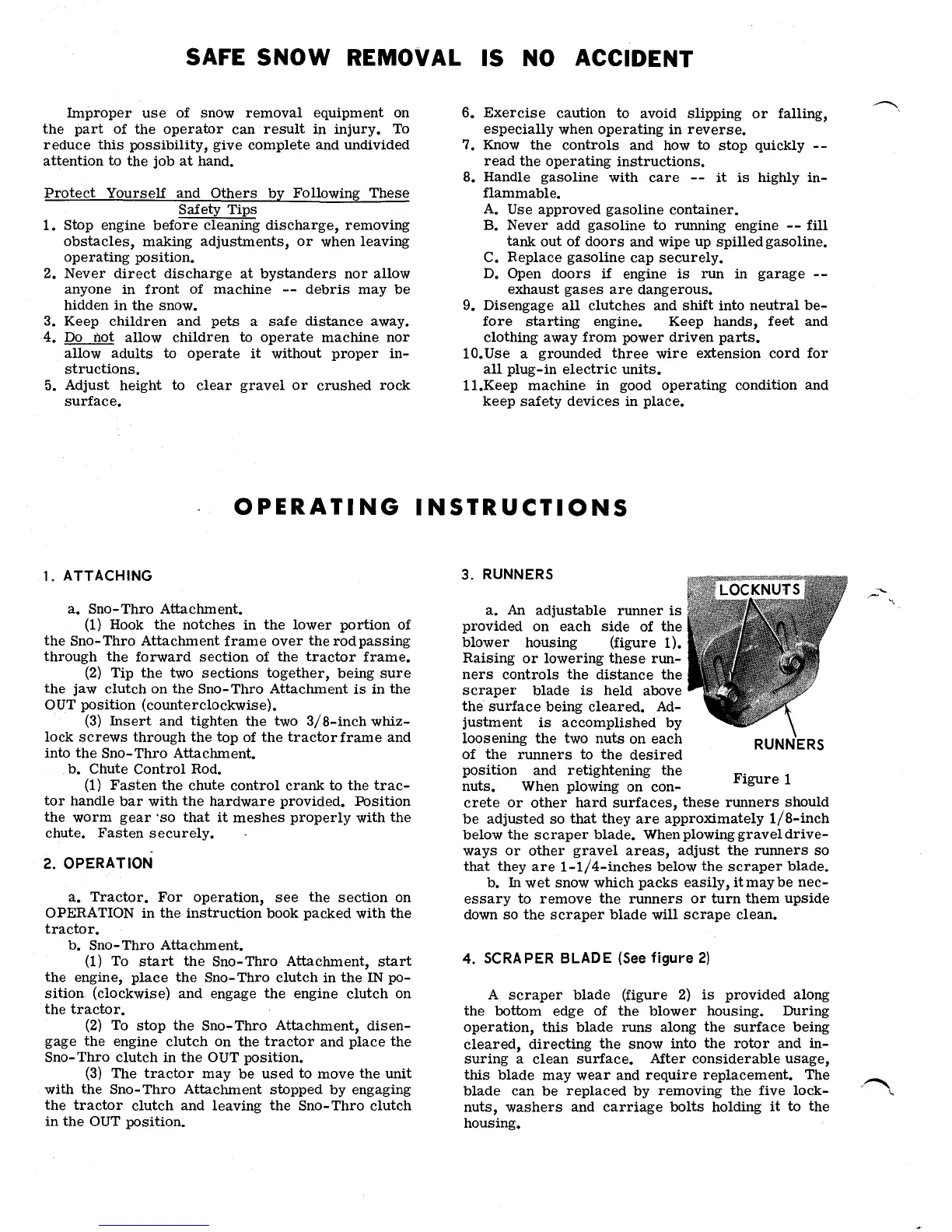
a.
An
adjustable
runner
is
provided
on
each
side
of
the
blower
housing (figure
1).
Raising
or
lowering
these
run-
ners
controls
the
distance
the
scraper
blade
is
held above
the
surface
being
cleared.
Ad-
justment
is
accomplished
by
loosening
the
two
nuts
on
each
of
the
runners
to
the
desired
position
and
retightening
the
nuts.
When plowing on
con-
Figure
1
crete
or
other
hard
surfaces,
these
runners
should
be
adjusted
so
that
they
are
approximately
1/8-inch
below
the
scraper
blade.
When plowing
gravel
drive-
ways
or
other
gravel
areas,
adjust
the
runners
so
that
they
are
1-1/4-inches
below
the
scraper
blade.
b. In
wet
snow which
packs
easily,
it
may
be
nec-
essary
to
remove
the
runners
or
turn
them
upside
down
so
the
scraper
blade
will
scrape
clean.
4. SCRAPER BLADE
(See
figure
2)
A
scraper
blade
(figure
2)
is
provided
along
the
bottom edge
of
the
blower
housing. During
operation,
this
blade
runs
along
the
surface
being
cleared,
directing
the
snow into
the
rotor
and
in-
suring
a
clean
surface.
After
considerable
usage,
this
blade
may
wear
and
require
replacement.
The
blade
can
be
replaced
by
removing
the
five
lock-
nuts,
washers
and
carriage
bolts
holding
it
to
the
housing.

Related product manuals