Baumatic BAF90EG 900mm Upright Oven User Manual 7
Local Authority Requirements
2. Side clearances – (Measurements B & C)
Where B, measured from the periphery of the nearest burner to any vertical combustible surface, is less than
200mm, the surface shall be protected in accordance with Clause 5.12.1.2 to a height C of not less than
150mm above the hob for the full dimension (width or depth) of the cooking surface area. Where the cooking
appliance is fitted with a “splash back”, protection of the rear wall is not required. The appliance can be installed
between two walls. A single sidewall that exceeds the height of the work surface is possible. This must be at a
minimum distance of 70 mm from the edge of the cooker.
3. Additional requirements for Freestanding and Elevated Cooking Appliances –
(Measurements D & E)
Where D, the distance from the periphery of the nearest burner to a horizontal combustible surface is less than
200 mm, then E shall be 10 mm or more, or the horizontal surface shall be above the trivet. See inserts above.
Important information for Installing the Appliance
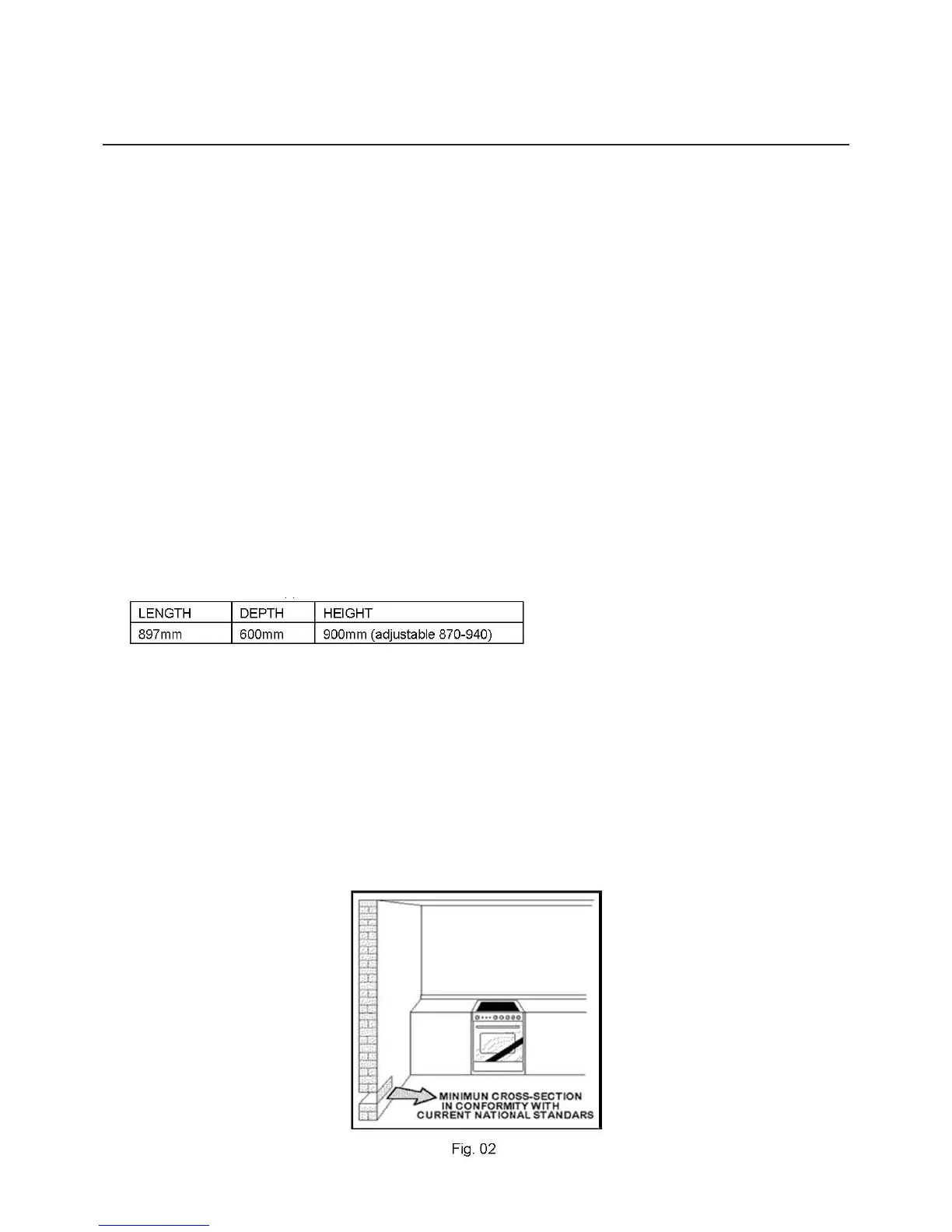
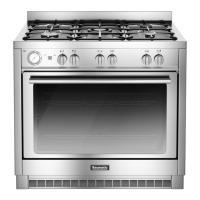
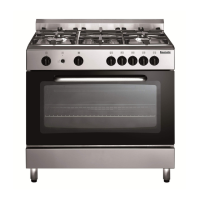
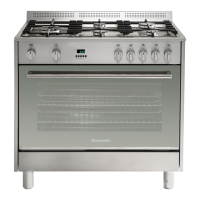
• The cooker can be installed separately, as a freestanding unit, or between kitchen units or between a kitchen unit
and the wall. This appliance is not connected to devices which exhaust combustion products. Special attention
must be focused on the prescriptions described below regarding room aeration and ventilation. The dimensions of
the appliance are listed below:
Room Ventilation
• To ensure that the appliance operates correctly, the room where it is installed must be continuously ventilated. The
room volume should not be less than 25m3 and the quantity of air should be based on the regular combustion of
gas and on the ventilation of the room. Natural air will flow through permanent openings in the walls of the room to
be ventilated. These openings will be connected with the outside environment and should have a minimum cross
section defined by current national standards regarding room ventilation (Fig. 02).
These openings should be built so that they cannot be clogged.
Indirect ventilation is also permitted by taking air from the rooms adjacent to the one to be ventilated.



 To Next Page