EasyManua.ls Logo

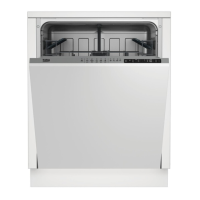
Beko DIN15211 - User Manual

Beko DIN15211
43 pages
Print Icon
To Next Page IconTo Next Page
Loading...
www.beko.com.tr
DIN15R10
DIN15211
EN
Document Number :
15 0724 0100_EM_BEKO_E6_EN/ 02-03-17.(15:52)
Dishwasher
User’s Manual

Questions and Answers

  • K
    Kyle BellAug 17, 2025
    Why my Beko DIN15211 Dishwasher does not start?
    • R
      Robert DiazAug 17, 2025
      Your Beko Dishwasher might not be starting due to several reasons. First, ensure the power cable is properly plugged in. Check the fuses in your house to see if any have blown. Make sure the water inlet tap is open and that the dishwasher door is fully closed. Finally, verify that you have pressed the On/Off button to turn on the machine.
  • J
    James GutierrezAug 19, 2025
    What to do if water remains in Beko DIN15211 after cycle?
    • P
      Patrick VasquezAug 19, 2025
      If water remains in your Beko Dishwasher after the cycle, check if the filter system is clean. Clean the filter system regularly. Also, inspect the discharge hose for clogs or blockages; remove and clear any blockages if necessary.
  • R
    rbrownAug 22, 2025
    What to do if lime traces remain on Beko DIN15211 dishes?
    • W
      williebyrdAug 22, 2025
      If you notice lime traces on your dishes or a misty appearance on glassware from your Beko Dishwasher, it could be due to a few reasons. Check the rinse aid indicator and add rinse aid if needed, or increase the rinse aid setting. Also, measure the hardness of your water supply to ensure the water hardness setting is appropriate. Be careful not to spill salt when filling the salt reservoir, and make sure the lid is tightly closed afterward.
  • D
    Devin HerreraAug 25, 2025
    Why does detergent remain in the dispenser of my Beko DIN15211 Dishwasher?
    • R
      rorozcoAug 26, 2025
      If detergent remains in the dispenser of your Beko Dishwasher, it might be because the dispenser was damp when you added the detergent; ensure it's dry beforehand. Add detergent shortly before starting the wash cycle. Make sure dishes aren't blocking the dispenser lid from opening or preventing water from reaching it. Store powder detergent in a closed container in a non-humid place, or consider using tablet detergents. Check the impeller holes and clean them if they are clogged.
  • S
    Stephanie HarringtonAug 27, 2025
    How to remove tea or lipstick stains from Beko DIN15211 dishes?
    • M
      Mark ThorntonAug 27, 2025
      If tea, coffee, or lipstick stains persist on dishes washed in your Beko Dishwasher, try selecting a program with a higher temperature and longer cycle time. Note that if the surface quality of your kitchen utensils has deteriorated, these stains may not be fully removable, and it's generally not recommended to wash such items in the dishwasher for hygiene reasons. Ensure that if you're using powder detergent, it's stored in a closed container in a non-humid environment.
  • J
    jeremy12Aug 30, 2025
    What causes scratches on dishes in my Beko DIN15211 Dishwasher?
    • K
      Kerry NicholsAug 30, 2025
      Scratches on dishes in your Beko Dishwasher can be caused by a few things. Ensure you don't spill salt when filling the salt reservoir, as spilled salt can cause scratches; make sure the lid is tightly closed after filling and run a prewash cycle to remove any spilled salt. Check your water hardness setting and adjust it appropriately. When loading, position glasses and glassware so they don't strike against other dishes during the wash cycle.
  • J
    John BarkerSep 2, 2025
    How to get rid of odour in Beko DIN15211 Dishwasher?
    • S
      Shannon ButlerSep 2, 2025
      A different odour in your Beko Dishwasher may be caused by clogged filters. Check and clean the filter system regularly. If you're not running the dishwasher immediately after loading, remove food remnants and run the Prewash program without detergent every 2 days; leave the door slightly ajar to prevent odor buildup. You can also use commercially available odor removers or machine cleaners.
  • J
    Jessica JohnsonSep 5, 2025
    Why rust appears on dishes in Beko DIN15211?
    • R
      Robert HuffSep 5, 2025
      Rust, discoloration, or surface deterioration on dishes in your Beko Dishwasher can occur due to several factors. Salt leakage can cause deterioration, so be careful when filling the salt reservoir and ensure the lid is tightly closed; run a prewash program to remove any spilled salt. Remove salty food remnants from dishes before loading. Ensure your electrical installation is properly grounded. Avoid using intensive cleansers like bleach. Don't use metal items for unintended purposes. Be aware that low-quality stainless steel cutlery is prone to corrosion and should not be washed in the dishwasher, and already corroded items can transfer rust to other dishes.
  • C
    Christopher LongSep 7, 2025
    How to remove milk stain from Beko Dishwasher glasses?
    • S
      Sean WilliamsSep 7, 2025
      If you notice a milk-like smear on glasses from your Beko Dishwasher that can't be wiped away, or if a bluish/rainbow tint appears, it could be due to excessive rinse aid use; try lowering the rinse aid setting and cleaning any spilled rinse aid. It could also be glass corrosion from soft water; measure your water hardness, adjust the setting accordingly, and consider avoiding salt if your water is very soft. Using glass protective detergents may also help.
  • S
    Stephen MartinezSep 10, 2025
    Why foam forms in my Beko Dishwasher?
    • C
      Carolyn FergusonSep 12, 2025
      Foam forming in your Beko Dishwasher can occur if dishes are washed with hand-wash detergent and not rinsed thoroughly before loading, as these detergents lack antifoaming agents; it's generally sufficient to remove coarse soil under tap water. Spilled rinse aid can also cause foam, so be careful when filling and clean any spills. Ensure the lid of the rinse aid reservoir is closed after filling.

Summary

Instructions for Safety and Environment

General Safety Precautions

Essential safety precautions for operating the dishwasher to prevent injury and damage.

Childrens Safety Guidelines

Specific warnings and guidelines to protect children from potential hazards associated with the appliance.

Installation

Installation Location and Preparation

Guidance on selecting an appropriate location and preparing the site for installation.

Water Supply Connection

Instructions for connecting the dishwasher to the cold water supply, including pressure and temperature requirements.

Drain Connection

Procedures for connecting the dishwasher's drain hose to the sink or drainpipe.

Electrical Connection and Earthing

Essential information on connecting the dishwasher to the power supply and the importance of earthing.

Preparation

Adjusting Water Hardness

Step-by-step guide to set the water hardness level based on water test results.

Adding Dishwasher Salt

Instructions on how to fill the salt reservoir with special dishwasher salt.

Dish Placement Guidelines

Advice on how to load dishes efficiently for optimal washing and drying performance.

Dish Loading Recommendations

Visual guidance and tips for proper loading of the lower and upper baskets.

Operating the Product

Control Panel Overview

Identification and explanation of all buttons, indicators, and display elements on the control panel.

Programme Selection Table

A table detailing available programmes, temperatures, soiling levels, and consumption data.

Scheduling Wash Time (Time Delay)

How to set a delayed start for washing programmes to optimize electricity usage.

Maintenance and Cleaning

Cleaning the Filters

Instructions for cleaning the micro and coarse filters to ensure optimal performance.

Impeller Cleaning

Detailed instructions on how to remove, clean, and reassemble the lower and upper impellers.

Troubleshooting

Machine Not Starting

Common causes and solutions if the dishwasher fails to start.

Dishes Not Washed Clean

Troubleshooting steps for issues related to poor washing performance.

Dishes Not Dry

Solutions for problems where dishes remain wet at the end of the cycle.

Rust and Deterioration

Troubleshooting for rust, discoloration, and surface deterioration on dishes and utensils.

Water Drainage Problems

Solutions for water remaining in the dishwasher at the end of the programme.

Beko DIN15211 Specifications

General IconGeneral
BrandBeko
ModelDIN15211
CategoryDishwasher
LanguageEnglish

Related product manuals