EasyManua.ls Logo

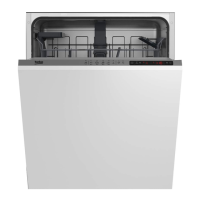
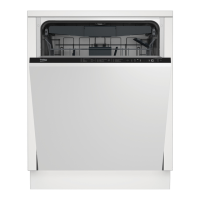
Beko DIN25430 - User Manual

Beko DIN25430
46 pages
Print Icon
To Next Page IconTo Next Page
Loading...
Dishwasher
User’s Manual
15 2641 0100_AA_BEKO_E5_EN/ 22-04-24.(16:10)
DIN25430

Questions and Answers

  • D
    Diana MooreAug 10, 2025
    Why my Beko DIN25430 Dishwasher does not start?
    • M
      Mr. John BryantAug 10, 2025
      If your Beko Dishwasher isn't starting, several factors could be at play. First, ensure the power cable is properly plugged in. Check the fuses in your house to see if any have blown. Verify that the water inlet tap is open, and that the dishwasher door is fully closed. Finally, confirm that you've pressed the On/Off button to turn the machine on.
  • T
    Tracy NelsonAug 16, 2025
    What to do if dishes are not dry after Beko Dishwasher cycle?
    • J
      Joshua HigginsAug 16, 2025
      If your Beko Dishwasher leaves dishes wet after the cycle, there are a few potential reasons. Avoid unloading the machine immediately after the program finishes; instead, slightly open the door and allow the steam to evacuate, waiting until the dishes cool to a touchable level before unloading, starting from the lower basket. Also, programs with shorter durations may have lower rinsing temperatures, which reduces drying performance, so choose programs with longer durations for better drying. Lastly, kitchen utensils with deteriorated surfaces may not dry well and are not recommended for dishwasher use.
  • K
    Kevin WilliamsAug 22, 2025
    Why rust appears on dishes in Beko DIN25430 Dishwasher?
    • C
      Cody HarrisonAug 22, 2025
      If you notice rust, discoloration, or surface deterioration on your dishes after using your Beko Dishwasher, several factors could be contributing. Ensure you don't spill salt when filling the salt reservoir, and that the lid is tightly closed; run a prewash cycle to remove any spilled salt. Remove salty food remnants from dishes before loading, or prewash them. Verify that your dishwasher is connected to a grounding line to prevent static electricity. Avoid using intensive cleansers like bleach. Use metal items, particularly knives, only for their intended purposes. Be aware that cutlery made of low-quality stainless steel or already corroded items should not be washed in the dishwasher.
  • Q
    qsandersAug 28, 2025
    Why detergent remains in Beko Dishwasher dispenser?
    • D
      Danielle RobinsonAug 28, 2025
      If you find detergent remaining in the dispenser of your Beko Dishwasher, make sure the dispenser is dry before adding detergent and add the detergent shortly before starting the wash cycle. Ensure dishes are placed so that they don't block the dispenser lid from opening or prevent water from the impellers from entering. Store powder detergent in a closed container in a dry place, or consider using tablet detergents. Also, check the impeller holes for clogs and clean them regularly.
  • L
    lestradaSep 4, 2025
    How to prevent lime traces on dishes in Beko Dishwasher?
    • J
      Jacqueline MartinSep 4, 2025
      If lime traces are appearing on your dishes or your glassware has a misty look after using your Beko Dishwasher, check the rinse aid indicator and add rinse aid if needed, increasing the rinse aid setting if there is already enough rinse aid in the machine. Also, measure the hardness of your water supply and check the water hardness setting on your dishwasher. Be careful not to spill salt when filling the salt reservoir, ensure the lid is tightly closed, and run a prewash program to remove any spilled salt.

Beko DIN25430 Specifications

General IconGeneral
Product colourWhite
Control panel colourWhite
Built-in displayYes
Drying classA
Delayed start timerYes
AquaStop functionYes
Water consumption per cycle9.5 L
Weight47.1 kg
Washing programsEco, Intensive, Quick, Rinse
Width59.8 cm
ProgramsIntensive, Eco, Quick
Delay Start1-24 hours

Related product manuals