EasyManua.ls Logo

Beko DIS16010 - User Manual

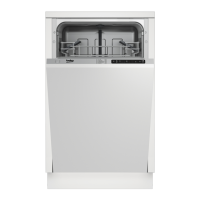
Beko DIS16010
44 pages
Print Icon
To Next Page IconTo Next Page
Loading...
www.beko.com.tr
DIS16010
EN
Document Number :
15 0829 0100_AB_BEKO_E6_45_EN/ 22-12-16.(14:04)
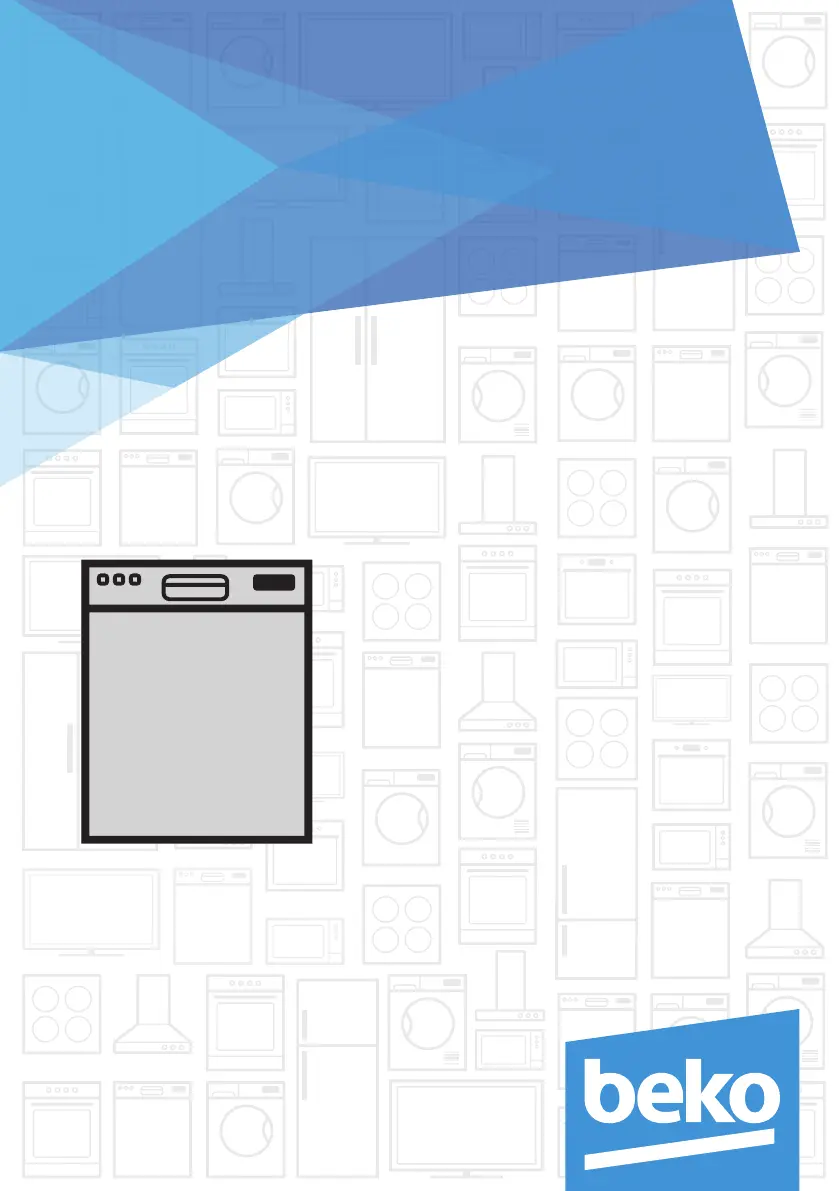
Dishwasher
User’s Manual

Table of Contents

Questions and Answers

  • J
    Jose LoganAug 3, 2025
    Why won't my Beko DIS16010 Dishwasher start?
    • L
      Laura HumphreyAug 3, 2025
      Your Beko Dishwasher might not be starting due to several reasons. Check if the power cable is properly plugged in. Also, inspect the fuses in your house to ensure they haven't blown. Make sure the water inlet tap is open and that the dishwasher door is fully closed. Finally, verify that you've pressed the On/Off button to turn on the machine.
  • J
    jacqueline56Aug 7, 2025
    Why are my dishes not getting clean in my Beko Dishwasher?
    • M
      Michael NormanAug 7, 2025
      If your dishes aren't coming out clean from your Beko Dishwasher, several factors could be at play. Ensure dishes are loaded properly as described in the user manual. The selected wash programme might be unsuitable, so try a programme with a higher temperature and cycle time. Check that the impellers aren't stuck and can rotate freely. Also, inspect the impeller holes and filters for clogs, cleaning them regularly. Make sure the filters are installed correctly and that the baskets aren't overloaded. Store detergent properly in a closed container in a non-humid place or use tablets, and ensure you're using enough detergent and rinse aid. Finally, verify the detergent dispenser lid is closed tightly.
  • S
    Sheena ZimmermanAug 11, 2025
    What to do if my Beko Dishwasher leaves lime traces on dishes?
    • D
      Danielle WashingtonAug 11, 2025
      If you're noticing lime traces on your dishes or a misty appearance on glassware after using your Beko Dishwasher, it could be due to insufficient rinse aid. Check the rinse aid indicator and add more if needed, or increase the rinse aid setting. Also, the water hardness setting might be too low, or the salt level might be insufficient; measure the water hardness and adjust the setting accordingly. Finally, ensure you're not spilling salt when filling and that the salt reservoir lid is tightly closed. If spillage occurs, run the prewash programme.
  • K
    krussellAug 16, 2025
    How to get rid of odors in my Beko Dishwasher?
    • S
      Stephanie JonesAug 16, 2025
      A strange odor in your Beko Dishwasher can often be attributed to clogged filters. Ensure you check and clean the filter system regularly. Also, if you're leaving dirty dishes in the dishwasher for a few days, remove food remnants and run the prewash programme every 2 days without detergent. To prevent odors, don't fully close the dishwasher door when not in use. You might consider using commercially available odor removers or machine cleaners as well.
  • T
    Tiffany GonzalezAug 20, 2025
    Why does detergent remain in the dispenser of my Beko DIS16010 Dishwasher?
    • M
      Martin HarveyAug 20, 2025
      If detergent remains in the dispenser of your Beko Dishwasher, it could be because the dispenser was damp when you added the detergent; make sure it's dry before filling. Also, avoid adding detergent too far in advance of washing. Ensure dishes aren't blocking the dispenser lid from opening during the wash cycle, and that the impeller holes are not clogged. Finally, make sure you are storing the detergent in a closed container in a non-humid place.
  • J
    Jeffrey GonzalesAug 25, 2025
    Why does my Beko DIS16010 Dishwasher leave stains on dishes?
    • A
      Alexis EdwardsAug 25, 2025
      If tea, coffee, or lipstick stains persist on dishes after washing in your Beko Dishwasher, try selecting a programme with a higher temperature and cycle time. Also, if you are using powder detergent, do not store the detergent package in humid places. Keep it in a closed container if possible. For ease-of-storing, it is recommended to use tablet detergents.
  • J
    Jackson ReyesAug 28, 2025
    Why is there rust on the dishes from my Beko Dishwasher?
    • W
      wilsonmichaelAug 28, 2025
      Rust, discoloration, or surface deterioration on dishes from your Beko Dishwasher can occur for several reasons. Salt leakage can cause deterioration, so be careful when adding salt and ensure the reservoir lid is closed tightly; run a prewash cycle if spillage occurs. Also, remove salty food remnants from dishes before loading. Ensure your dishwasher is properly grounded to prevent static electricity. Avoid using intensive cleansers like bleach, and don't use metal items for unintended purposes. Low-quality stainless steel cutlery and already corroded items should not be washed in the dishwasher.

Summary

Instructions for Safety and Environment

General safety

Essential safety precautions and guidelines for safe operation.

Intended use

Defines the proper domestic applications for the dishwasher.

Childrens safety

Critical safety measures to protect children from appliance hazards.

Transportation of the product

Proper procedures for safely moving the dishwasher.

Dishwasher

Overview

A general look at the dishwasher's main parts and functions.

Technical specifications

Key technical data, standards compliance, and performance details.

Installation

Appropriate installation location

Guidance on selecting an optimal and safe placement for the unit.

Connecting water supply

Step-by-step instructions for attaching the water inlet hose.

Connection to the drain

How to correctly connect the dishwasher's drain hose.

Electrical connection

Essential steps for safely connecting the dishwasher to power.

Preparation

Water softening system

Explanation of the system that softens water for better washing.

Adjusting the water softening system

How to set the water hardness level for optimal cleaning.

Adding salt

Procedure for refilling the salt reservoir for the water softener.

Adding detergent

Guidance on the correct type and amount of detergent to use.

Rinse aid

Instructions for filling and using rinse aid for drying performance.

Suggestions for loading the dishwasher

Best practices for arranging dishes for efficient washing and drying.

Operating the product

Programme selection

How to choose the most suitable wash cycle for your dishes.

Auxiliary functions

Using features like Half Load, Super Rinse, and Fast+ for enhanced cycles.

Scheduling the washing time

Setting a delayed start for the wash cycle using Time Delay.

Salt indicator

Understanding and responding to the salt refill warning.

Rinse Aid indicator

Understanding and responding to the rinse aid refill warning.

Maintenance and cleaning

Cleaning the filters

Regularly cleaning the micro and coarse filters for optimal performance.

Cleaning the interior of the machine

Methods for cleaning the inside of the dishwasher and its tank.

Cleaning the hose filter

Procedure for cleaning the filter on the water inlet hose.

Cleaning the impellers

How to clean the lower and upper impellers to ensure proper function.

Troubleshooting

Machine does not start

Solutions for common issues preventing the dishwasher from starting.

Dishes are not washed clean

Troubleshooting steps when dishes are not cleaned effectively.

Dishes are not dry at the end of cycle

Addressing problems with dishes not drying properly after washing.

Lime traces remain on dishes and glassware gains a misty appearance

Resolving issues with hard water deposits and misty glassware.

Water remains in the dishwasher at the end of the programme

Troubleshooting why water is left in the unit after the cycle.

Beko DIS16010 Specifications

General IconGeneral
BrandBeko
ModelDIS16010
CategoryDishwasher
LanguageEnglish

Related product manuals