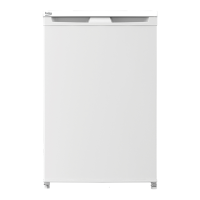
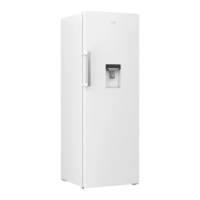
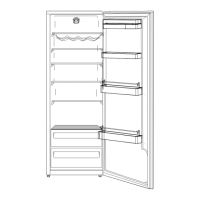
This document is a user manual for a Beko refrigerator, covering models LSG1545DS, LSG1545DW, LXSP1545DS, and LXSG1545DS. It provides comprehensive information on the appliance's function, technical specifications, usage, and maintenance.
Function Description
The Beko refrigerator is designed for storing and freezing edible foodstuffs. It operates using a cooling system that contains non-CFC/HFC natural substances (R600a) and cyclopentane insulation, making it environmentally friendly. The appliance features a main refrigerator compartment and, in some models, a water dispenser. The fridge compartment defrosts automatically, with thawing water flowing into a collection container at the rear.
Important Technical Specifications
- Cooling System: Utilizes R600a refrigerant and cyclopentane insulation.
- Electrical Requirements: Operates on a specific voltage and frequency as indicated on the rating plate. It requires a 13A fuse for the fitted moulded plug.
- Installation Clearances: Requires at least 30 cm distance from heat sources (hobs, ovens, central heaters, stoves), 5 cm from electrical ovens, and should not be placed under direct sunlight. For recessed installations, a minimum of 5 cm distance from the ceiling and walls is required.
- Ambient Temperature: Recommended operating ambient temperature is at least 10°C for optimal efficiency.
- Water Dispenser Capacity (Optional): The water tank has a capacity of 3 litres.
Usage Features
- Temperature Control: The appliance's operating temperature is regulated by a thermostat knob. Settings range from 1 (lowest cooling/warmest) to 5 (highest cooling/coldest). The average internal fridge temperature should be around +5°C. The manual advises adjusting the thermostat based on seasonal temperatures and ambient conditions (e.g., higher setting for ambient temperatures above 25°C, lower for below 25°C).
- Water Dispenser (Optional):
- Filling: The water tank filling reservoir is located inside the door rack. Users should open the cover, fill with fresh drinking water, and close the cover.
- Dispensing: To dispense water, push the lever with a glass or hand (for soft plastic cups). The flow rate depends on how far the lever is depressed.
- Important Note: Only clean drinking water should be used. Fruit juices, carbonated beverages, or alcoholic drinks are not suitable and can irreparably damage the water dispenser, voiding the warranty.
- Door Management: Users are advised to avoid frequent door openings and to ensure doors are properly closed to maintain internal temperature and energy efficiency.
- Food Storage: It is recommended to store food in closed containers to prevent odors and maintain hygiene. Hot food should be allowed to cool to room temperature before being placed in the refrigerator.
- Relocation: Before transportation, the appliance should be unplugged, emptied, cleaned, and internal components secured with adhesive tape. Original packaging and foam materials should be retained for future transport.
Maintenance Features
- Cleaning:
- Interior: Use lukewarm water with a solution of one teaspoon of bicarbonate of soda to one pint of water. Wipe dry with a damp cloth.
- Exterior: Use lukewarm water and a soft cloth. Avoid cleaning agents containing chlorine, sharp abrasive instruments, soap, household cleaners, detergents, kerosene, fuel oil, or varnish, as these can damage surfaces and prints.
- Water Dispenser: Components of the water tank and dispenser should not be washed in a dishwasher. The water tank can be removed for cleaning by holding the door rack from both sides, then grabbing the tank at a 45° angle. The plastic filter in the drip tray should be removed and the accumulated water wiped away with a clean, dry cloth.
- Door Seals: Regularly check and clean door seals to ensure they are free from food particles and properly seated.
- Protection of Plastic Surfaces: Avoid placing liquid oils or oil-cooked meals in unsealed containers as they can damage plastic surfaces. Spills should be cleaned and rinsed immediately with warm water.
- Long-term Storage: If the appliance will not be used for an extended period, unplug it, remove all food, clean it, and leave the door ajar.
- Condenser Maintenance: For better energy efficiency, the condenser, located at the back of the appliance, should be pulled towards the user as illustrated in the manual (may not be available in all models).
- Troubleshooting: The manual includes a comprehensive troubleshooting guide to address common issues such as the appliance not operating, condensation, compressor not running, unusual noises, and temperature problems. This helps users identify and resolve minor issues before contacting service.
- Door Reversal: Instructions are provided for reversing the doors, indicating that this is a user-adjustable feature.

 Need help?
 General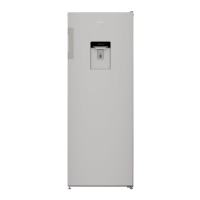

 To Next Page