EasyManua.ls Logo

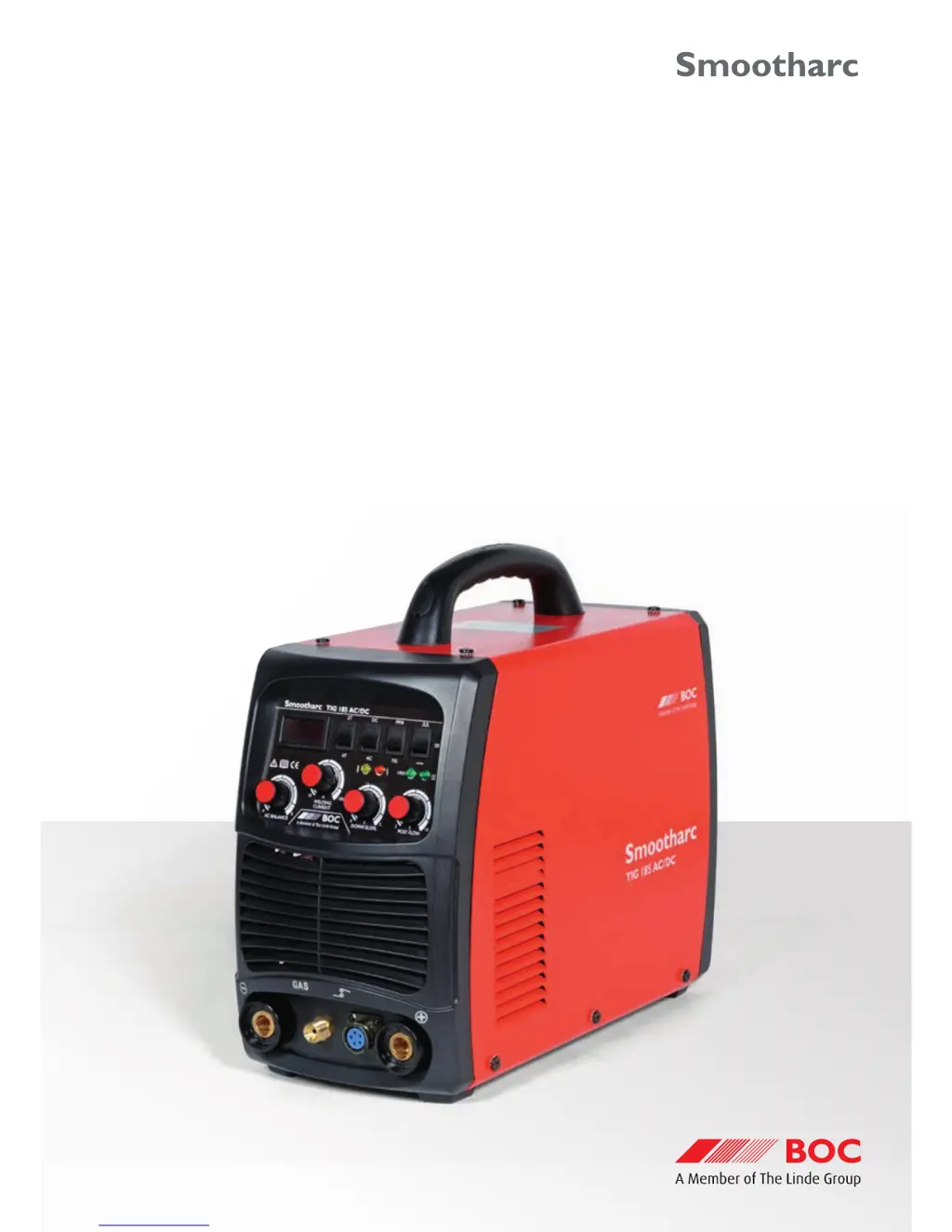
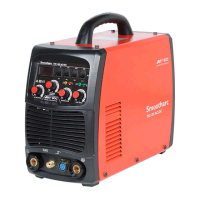
BOC Smootharc TIG185 AC/DC - User Manual

BOC Smootharc TIG185 AC/DC
32 pages
Print Icon
To Next Page IconTo Next Page
Loading...
Smootharc TIG 185 AC/DC
Operating Manual

Questions and Answers

  • C
    charlesromanJul 31, 2025
    Why does porosity occur in weld deposits with the BOC Smootharc TIG185 AC/DC?
    • E
      Elizabeth OconnorJul 31, 2025
      Porosity in your weld deposit when using the BOC Welding System can occur due to several reasons. It could be caused by entrapped impurities like hydrogen, air, nitrogen, or water vapor, so avoid welding on wet material. Other causes include a defective gas hose or loose connection, which you should inspect for leaks. Damp, oily, or dusty filler material can also contribute; dry the filler metal in an oven or replace it. Impurities in the base metal, such as sulfur, phosphorus, lead, and zinc, might be the problem, so consider using a different alloy. Finally, excessive travel speed can trap gases, so lowering your travel speed may resolve the issue.
  • W
    walkerfrederickAug 13, 2025
    What to do if there is inclusion of tungsten or oxides in weld using the BOC Welding System?
    • A
      Austin MartinezAug 13, 2025
      Inclusion of tungsten or oxides in your BOC Welding System's weld can occur for several reasons. If you're using excessive current for the tungsten size, reduce the current or use a larger electrode. Accidental contact of the electrode with the puddle or filler rod can also cause this, so maintain proper arc length and distance. Using excessive electrode extension is another potential issue; reduce it to recommended limits. Inadequate shielding or excessive drafts can contribute, so increase gas flow, shield the arc from wind, or change to a gas saver or gas lens. Ensure you're using the correct gas and remove heavy surface oxides by using ACHF, adjusting balance control, or wire brushing the weld joint before welding.
  • S
    Shirley HubbardAug 17, 2025
    Why is the arc erratic on my BOC Smootharc TIG185 AC/DC?
    • Z
      zacharyharperAug 17, 2025
      An erratic arc in your BOC Welding System can be caused by several factors. If the voltage is incorrect, resulting in an arc that is too long, maintain a short arc length. If the current is too low for the electrode size, use a smaller electrode or increase the current. Electrode contamination can also lead to an erratic arc; remove the contaminated portion and prepare it again. If the joint is too narrow, open the joint groove. Contaminated shield gas, indicated by dark stains on the electrode or weld bead, is another potential cause; use welding grade gas only and eliminate the source of contamination. Lastly, if the base metal is oxidized, dirty, or oily, use appropriate chemical cleaners, a wire brush, or abrasives before welding.
  • B
    Bonnie MartinAug 21, 2025
    How to fix inadequate shielding with the BOC Smootharc TIG185 AC/DC Welding System?
    • V
      Vincent SmithAug 21, 2025
      Inadequate shielding in your BOC Welding System can be due to several reasons. Check for a gas flow blockage or leak in the hoses or torch, and locate and eliminate any issues. Excessive travel speed can expose the molten weld to atmospheric contamination, so use a slower travel speed or carefully increase the flow rate. Wind or drafts can also interfere with shielding, so set up screens around the weld area. Additionally, reduce excessive electrode stickout and consider using a larger size cup, or switch to a gas saver or gas lens. If there's excessive turbulence in the gas stream, change to gas safer parts or gas lens parts.
  • T
    Tyler JohnsonAug 26, 2025
    How to extend the short parts life of my BOC Smootharc TIG185 AC/DC?
    • C
      Casey WashingtonAug 26, 2025
      Short parts life in your BOC Welding System can occur for a couple of reasons. If the cup is shattering or cracking during use, try changing the cup size or type, and adjust the tungsten position. If you're experiencing short collet life, especially with an ordinary split style that twists or jams, switch to a wedge style.
  • D
    Daniel FreyNov 2, 2025
    How to reduce excessive electrode consumption in the BOC Smootharc TIG185 AC/DC?
    • J
      John MartinNov 3, 2025
      Excessive electrode consumption in your BOC Welding System can stem from several factors. Start by checking your gas flow, as inadequate flow can cause this issue; increasing the gas flow might help. Also, ensure the post-gas flow time is sufficient, aiming for 1 second per 10 amps. Using an improper electrode size for the current required is another common cause, so switch to a larger electrode. Operating with reverse polarity can also lead to this problem; consider using a larger electrode or changing the polarity. Other potential causes include electrode contamination (remove the contaminated portion and prepare again), excessive heating inside the torch (replace the collet, trying a wedge or reverse collet), electrode oxidation during cooling (increase gas flow post time), or using an ...
  • M
    michellecolonNov 7, 2025
    What causes cracking in welds when using the BOC Smootharc TIG185 AC/DC Welding System?
    • R
      rosscheyenneNov 7, 2025
      Cracking in welds made with the BOC Welding System can arise from several causes: Hot cracking in heavy sections or when welding metals prone to it can be addressed by increasing the weld bead cross-section size, adjusting the weld bead contour, checking the fit-up gap, and reducing welding speed. Post-weld cold cracking, due to excessive joint restraint, rapid cooling, or hydrogen embrittlement, can be mitigated by preheating, using pure gas, increasing the bead size, preventing craters or notches, and altering the weld joint design. Centerline cracks in single pass welds may require increasing bead size, decreasing root opening, using preheat, and preventing craters. Underbead cracking from brittle microstructure can be resolved by eliminating sources of hydrogen and joint restraint, and...

Summary

Welcome to a better way of welding

Important Notice

Details important legal and disclaimer information regarding the manual's content and use.

Recommended safety guidelines and precautions

Safety Alerts and Precautions

Covers electrical safety alerts, fume hazards, and essential safety precautions for welding.

Health hazard information

Details potential hazards from welding fumes, gases, and arc rays.

Personal protection

Guidance on respiratory, eye, and clothing protection for welding.

Cylinder valve safety

Safe practices for handling and operating gas cylinder valves.

Electrical shock hazards

Guidelines to avoid electric shock hazards during welding operations.

User responsibility

Outlines user obligations for safe operation and warranty compliance.

Gas tungsten arc welding (GTAW;TIG)

Introduction to TIG Welding

Explains the Tungsten Inert Gas (TIG) welding process and its principles.

TIG Welding Process Overview

Details how TIG welding uses DC or AC power sources and gas shielding.

TIG Process Variables

Explains DCEN, DCEP, and AC/HF process variables and their effects.

Shielding Gas Selection Guide

Guide to selecting appropriate shielding gases for various materials.

Welding Wire Selection

Recommendations for welding consumables for common materials.

Non-Consumable Tungsten Guide

Selector chart for tungsten electrodes based on material and desired results.

TIG Welding Techniques

Demonstrates electrode and rod angles for TIG welding.

Torch Movement During Welding

Illustrates torch movement for welding with and without filler rod.

Tungsten Electrode Preparation and Grinding

Guides on preparing and grinding tungsten electrodes for optimal welding.

Tungsten Electrode Tip Shapes and Current Ranges

Chart detailing tungsten tip shapes, angles, and corresponding current ranges.

Torch Positioning for Weld Joints

Illustrations showing correct torch positioning for different weld joint types.

Joint Preparation for TIG Welding

Details required joint preparations for various welding scenarios.

TIG Welding of Materials

Application Summary for TIG Welding

Summary of TIG welding applications for different material types.

C-Mn Steel Welding Parameters

Parameters and considerations for TIG welding C-Mn steel.

Alloyed Steel Welding Parameters

Guidelines for TIG welding alloy steels, including parameters and precautions.

Stainless Steel TIG Welding

Details on TIG welding stainless steel, suitable for high quality welds.

Aluminium TIG Welding Parameters

Parameters and techniques for TIG welding aluminium, including AC use.

Balanced Squarewave Adjustment

Explanation of how to adjust balanced squarewave for desired welding results.

Copper and Copper Alloys TIG Welding

Guidelines for TIG welding copper and copper alloys, addressing cleanliness and porosity.

Package Contents

Front Connections of TIG 185 AC;DC

Identifies the front panel connections and their functions.

Included Package Items

Lists all items included in the welding machine package.

Smootharc TIG 185 AC;DC Installation

TIG Setup Installation

Step-by-step guide for setting up the TIG welding machine for TIG operation.

TIG Setup with Foot Control Installation

Instructions for installing the machine with an optional foot control.

MMA Process Installation

Guide for installing the welding machine for Manual Metal Arc (MMA) welding.

Control Panel Overview

TIG 185 AC;DC Control Panel Diagram

Diagram identifying the various controls and indicators on the machine's panel.

Function Switches Explained

Explanation of the purpose and function of each switch on the control panel.

Adjustment Knobs Usage

Details on how to use the adjustment knobs for welding parameters.

Indicator Lights Meaning

Description of the indicators on the control panel and what they signify.

Smootharc TIG 185 AC;DC Operation

AC Welding Operation

Steps for operating the machine in AC mode for welding applications.

DC Welding Operation

Steps for operating the machine in DC mode for welding applications.

Foot Control Operation (TIG Only)

Instructions for using the foot control pedal for TIG welding operations.

MMA Welding Operation

Steps for operating the machine in MMA mode for welding.

Troubleshooting and Fault Finding

Common Welding Faults and Solutions

Guides for identifying and resolving common welding problems like electrode consumption and porosity.

Troubleshooting Weld Cracking & Shielding Issues

Addresses causes and solutions for weld cracking and inadequate shielding.

Troubleshooting Short Parts Life

Identifies reasons for short component life and how to prevent it.

Periodic Maintenance

Power Source Maintenance

Instructions for performing periodic maintenance on the welding machine's power source.

Technical Specifications

TIG and MMA Welding Specifications

Details the technical specifications of the welding machine for TIG and MMA operations.

Warranty Information

Warranty Terms and Conditions

Outlines the manufacturing and material defect coverage of the warranty.

Warranty Limitations and Exclusions

Specifies conditions and exclusions not covered by the warranty.

Warranty Period and Claims

States the duration of the warranty and how to claim repairs.

Contact BOC Customer Service

BOC Australia Contact

Provides contact information for BOC Australia customer service.

BOC New Zealand Contact

Provides contact information for BOC New Zealand customer service.

BOC Smootharc TIG185 AC/DC Specifications

General IconGeneral
Input Voltage240V
Output Current Range (MMA)10-160A
AC Frequency50/60 Hz
Cooling MethodFan cooled
Welding ProcessesTIG, MMA
Protection ClassIP21S
Open Circuit Voltage56V
Input PhaseSingle Phase

Related product manuals