9
03/2014
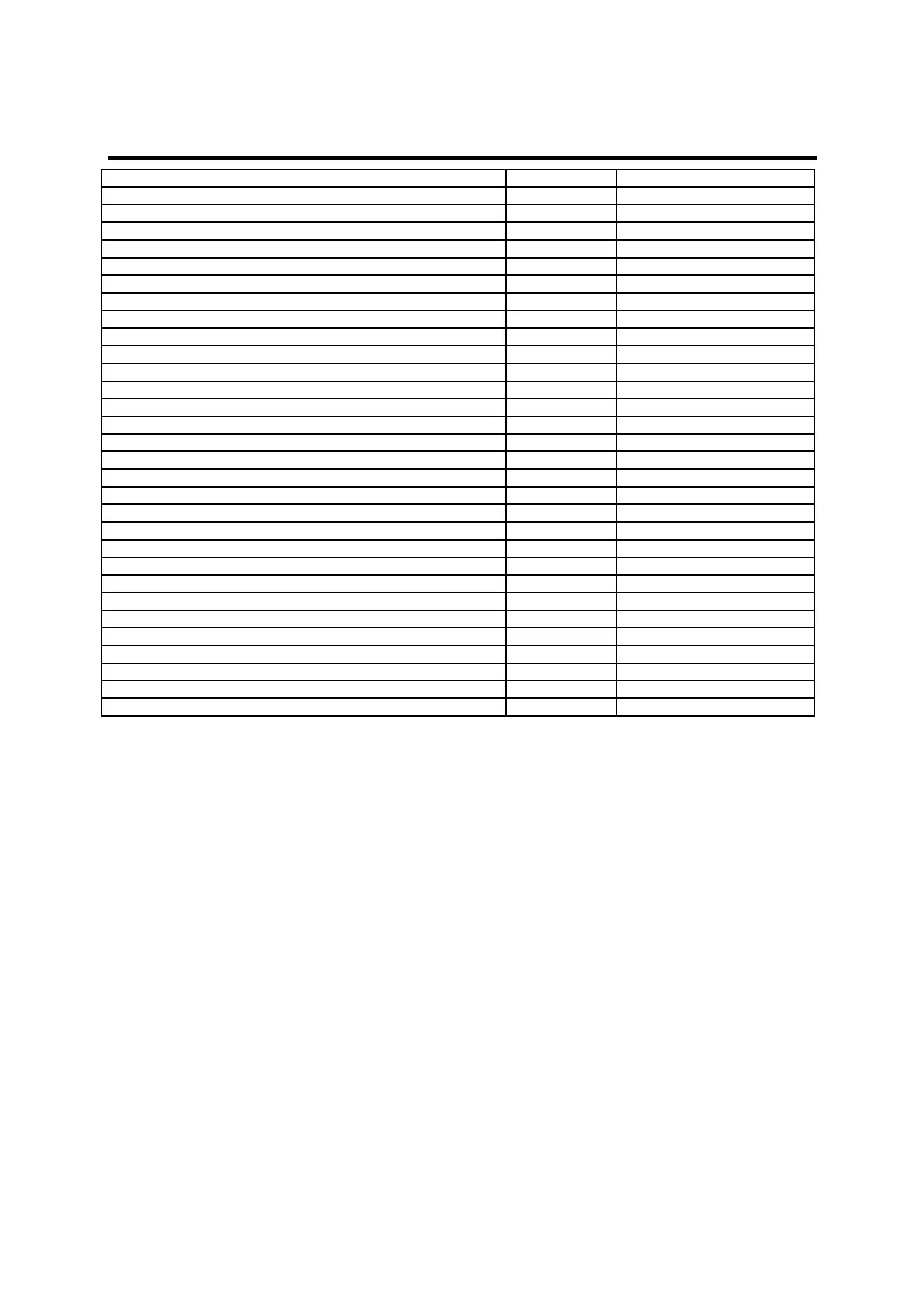
PRODUCT FICHE OF HOUSEHOLD REFRIGERATORS
ACCORDING
EU
D
IRECTIVE
(EU)
1060/2010
1
A+
A+++ (highest efficiency) to G (lowest efficiency).
Annual energy consumption
kWh
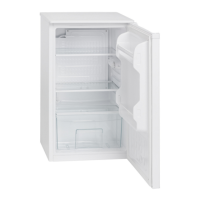
112
Net capacity cooling total l
82
Net capacity freezing l
-
Star rating
-
Frost-free
-
Temperature rise time h
-
Freezing capacity kg/24h
-
Climate class
SN-ST
Noise level dB(A) re 1pW
39
Design
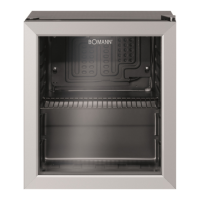
freestanding
Height cm
84.0
Width cm
47.0
Depth cm
45.5
Net weight kg
22.0
Compressor
70 W
Connection voltage
220-240V~ / 50Hz
1) Category: 1 = Refrigerator with one or more fresh-food storage compartments, 2 = Refrigerator-cellar, Cellar and
Wine storage appliances, 3 = Refrigerator-chiller and Refrigerator with a 0-star compartment, 4 = Refrigerator with a
one-star compartment, 5 = Refrigerator with a two-star compartment, 6 = Refrigerator with a three-star compartment ,
7 = Refrigerator-freezer, 8 = Upright freezer, 9 = Chest freezer, 10 = Multi-use and other refrigerating appliances
2) A+++ (highest efficiency) to G (lowest efficiency).
3) Annual energy consumption „XYZ“ kWh per year based on standard test results for 24 h.
Actual energy consumption will depend on how the appliance is used and where is located.
4) * = compartment: a frozen-food storage compartment in which the temperature is not warmer than -6°C.
** = compartment: a frozen-food storage compartment in which the temperature is not warmer than -12°C.
*** = compartment: a frozen-food storage compartment in which the temperature is not warmer than -18°C.
*(***) = food freezer compartment in which the temperature is not warmer than -18°C and a minimum freezing
capacity in 24 h.
5) Climate class SN: ambient temperature of +10°C up to +32°C.
Climate class N: ambient temperature of +16°C up to +32°C.
Climate class ST: ambient temperature of +16°C up to +38°C.
Climate class T: ambient temperature of +16°C up to +43°C.
The right to make technical and design modifications in the course of continuous product development
remains reserved.
All device-specific data of the energy label have been determined by the manufacturer under laborato-
ry conditions in accordance with pan-European standardized measuring methods. These are regulated
by ISO EN 15502. The actual energy consumption depends on the usage and might therefore also
be above the values determined by the manufacturer under standard conditions. An expert knows
these relations and will execute the tests with special measurement instruments in accordance with
the regulations in place.


 To Next Page