EasyManua.ls Logo

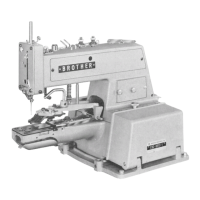
Brother CB3-B917 - User Manual

Brother CB3-B917
36 pages
Print Icon
To Next Page IconTo Next Page
Loading...
%0%
&+$,167,7&+%877216(:(5:,7+7+5($'75,00(5

Other manuals for Brother CB3-B917

Question and Answer IconNeed help?

Do you have a question about the Brother CB3-B917 and is the answer not in the manual?

Summary

Safety Instructions

1. Safety Indications and Their Meanings

Explains warning and caution symbols and their significance for safe operation.

2. Notes on Safety

Details crucial safety precautions related to environmental conditions, electrical safety, and installation.

3. Warning Labels

Describes the warning labels attached to the machine and the importance of adhering to their instructions.

Names of Major Parts

1. Names of Major Parts

Identifies and illustrates the primary components of the BM-917B sewing machine for user reference.

Machine Specifications

2. Machine Specifications

Presents technical details and features of the BM-917B, including stitch forms and speed.

Table Processing Diagram

3. Table Processing Diagram

Provides dimensions and specifications for a suitable sewing machine table, including hole placements.

Motor

4. Motor

Details motor specifications, pulley and V-belt selection, and installation of pulley covers for safety.

Installation

5. Installation Overview

Guides through the installation process of the machine head, belt, button tray, and cotton stand.

5-1. Installing the Machine Head

Step-by-step instructions for mounting the sewing machine head onto the table securely.

5-2. Installing the Belt

Instructions for correctly installing the drive belt between the motor and the machine pulley.

5-3. Installing the Button Tray

Describes how to install the button tray onto the sewing machine bed for holding buttons.

5-4. Installing the Cotton Stand

Instructions for assembling and attaching the cotton stand to the sewing table.

5-5. Ground Wire Connections

Explains the importance and procedure for connecting the ground wire for electrical safety.

5-6. Lubrication

Details the lubrication process, specifying oil and application points for the sewing machine.

Test Operation

6. Test Operation

Outlines the procedure for testing the sewing machine's basic functionality after installation.

Turning the Machine Pulley by Hand

7. Turning the Machine Pulley by Hand

Instructions on manually rotating the machine pulley for adjustments and checks, with safety precautions.

Preparation Before Sewing

8. Preparation Before Sewing

Covers essential steps before starting sewing, including needle installation and threading.

8-1. Installing the Needle

Step-by-step guide for correctly installing the sewing needle, ensuring proper orientation.

8-2. Threading

Detailed instructions on how to thread the sewing machine, including precautions for different thread types.

8-3. Adjusting the Thread Take-Up Lever

Explains how to adjust the thread take-up lever for optimal thread tension and stitch quality.

8-4. Vertical Feed and Transverse Feed Positioning

Guides on setting vertical and transverse feed for button sewing based on button hole spacing.

8-5. Setting the Button

Instructions on how to correctly position and secure buttons in the clamp for sewing.

8-6. Setting the Number of Stitches

Details how to set the desired number of stitches for button sewing operations.

Sewing

9. Sewing

Covers the process of actual sewing, including checking needle drop and starting the machine.

9-1. Checking the Needle Drop Position

Procedure to verify the needle's position relative to button thread holes before sewing.

9-2. Sewing

Step-by-step guide to starting and performing the sewing operation on a button.

Thread Tension

10. Thread Tension

Explains adjustments for main, sub, and auxiliary thread tensions for optimal stitch formation.

10-1. Main Thread Tension

How to adjust the main thread tension using the tension nut for desired tightness.

10-2. Adjusting the Sub Tension Timing

Procedure to adjust the timing of the sub tension discs for correct thread release.

10-3. Adjusting the Thread Presser Tension Opening Amount

How to set the opening amount of the thread presser tension for smooth thread feeding.

10-4. Adjusting the Auxiliary Tension

Instructions for adjusting the auxiliary thread tension using the tension nut.

10-5. Adjusting the Rotor

Guide to adjusting the rotor for proper thread take-up amount based on stitch requirements.

10-6. Adjusting the Presser Arm Pressure

How to adjust the presser arm pressure to prevent material slippage.

Cleaning

11. Cleaning Procedures

Daily cleaning procedures to maintain machine performance and longevity, including lubrication.

Lubrication Guide

Details on lubricating the sewing machine, specifying oil and application points.

Eye Guard Cleaning

Instructions on how to clean the eye guard using a soft cloth, avoiding solvents.

Needle Inspection

Guidance on checking the needle for bends or breaks and replacing if necessary.

Standard Adjustments

12. Standard Adjustments

Provides comprehensive guidance on standard adjustments for optimal machine operation and stitch quality.

12-1. Adjusting the Needle Bar Height

Step-by-step instructions for setting the correct needle bar height for proper stitch formation.

12-2. Adjusting the Needle and Looper Timing

Guide to synchronizing the needle and looper for correct stitch cycling.

12-3. Adjusting the Needle and Looper Clearance

How to set the optimal clearance between the needle and looper tip.

12-4. Adjusting the Needle Guide

Instructions for adjusting the needle guide to ensure proper needle path.

12-5. Adjusting the Thread Handler

Details longitudinal and transverse adjustments for the thread handler.

12-6. Adjusting the Machine Pulley Clearance in the Direction of Thrust

How to adjust the clearance between the machine pulley and clutch plate.

12-7. Adjusting the Brake

Instructions for adjusting the brake mechanism to control machine stopping.

12-8. Adjusting the Button Clamp Lift Amount

How to set the correct lift amount for the button clamp.

12-9. Adjusting the Button Opener

Guides on adjusting the transverse and vertical positions of the button opener.

12-10. Adjusting the Fixed Knife and Movable Knife

Instructions for adjusting the fixed and movable knives for thread trimming.

Replacing Parts

13. Replacing Parts

Provides safety precautions and procedures for replacing parts on the sewing machine.

13-1. Presser Arm

Detailed instructions for removing and installing the presser arm, including adjustments.

13-2. Feed Plate

Instructions for replacing the feed plate and ensuring correct needle drop positions.

13-3. Button Clamp Set

Guide to replacing the button clamp assembly and setting it for button sewing.

Troubleshooting

14. Troubleshooting

Lists common problems, their possible causes, and suggested solutions for the sewing machine.

1. Broken Crossover Stitch

Addresses issues with broken crossover stitches, including thread tension and handler clearance.

2. Thread Frays at Final Stitch

Explains causes and solutions for thread fraying at the final stitch.

3. Thread Frays at Stitch Joints

Discusses thread fraying at stitch joints and potential causes like thread tension.

4. Thread Breaks

Covers various causes for thread breakage, including timing, clearance, and pressure issues.

5. Thread Tightening is Loose

Addresses problems with loose thread tightening and its causes.

6. Thread Remains in Loop at Crossover Stitch Joint

Explains why thread might remain in a loop at crossover stitch joints.

7. Thread Remains in Loop on Odd Stitches

Discusses thread looping issues on odd stitches and their remedies.

8. Thread End Not Properly Wound on the First Stitch

Addresses issues with thread end winding on the first stitch.

9. Stitch Joint is Loose

Solutions for loose stitch joints, involving thread take-up and presser tension.

10. Intermittent Problems with Thread Tightening

Troubleshoots intermittent thread tightening issues by checking thread path.

11. Stitches Skip at Sewing Start

Covers causes for skipped stitches at the beginning of sewing, like needle installation or timing.

12. Final Stitch Skips

Addresses final stitch skipping issues after material removal.

13. Thread Winds onto Looper in Machine Stop Position

Explains why thread might wind onto the looper when the machine stops.

14. Thread Remains on Material Top at First Stitch

Discusses thread remaining on the material top at the first stitch.

15. Button Pops Out of the Button Clamp at Sewing Start

Addresses buttons popping out of the clamp during sewing start.

16. Broken Needles

Troubleshoots causes for broken needles, including button size and feed plate alignment.

17. Incorrect Thread Trimming

Discusses issues with incorrect thread trimming, like blunt knives.

18. Button Does Not Drop at the Stop Position

Solutions for buttons not dropping correctly at the stop position.

19. Machine Makes Abnormally Loud Sound When Stopping

Addresses loud machine sounds during stopping, related to speed or brake force.

20. Machine Stops Before the Stop Position

Troubleshoots why the machine stops prematurely, related to speed or brake force.

Summary

Safety Instructions

1. Safety Indications and Their Meanings

Explains warning and caution symbols and their significance for safe operation.

2. Notes on Safety

Details crucial safety precautions related to environmental conditions, electrical safety, and installation.

3. Warning Labels

Describes the warning labels attached to the machine and the importance of adhering to their instructions.

Names of Major Parts

1. Names of Major Parts

Identifies and illustrates the primary components of the BM-917B sewing machine for user reference.

Machine Specifications

2. Machine Specifications

Presents technical details and features of the BM-917B, including stitch forms and speed.

Table Processing Diagram

3. Table Processing Diagram

Provides dimensions and specifications for a suitable sewing machine table, including hole placements.

Motor

4. Motor

Details motor specifications, pulley and V-belt selection, and installation of pulley covers for safety.

Installation

5. Installation Overview

Guides through the installation process of the machine head, belt, button tray, and cotton stand.

5-1. Installing the Machine Head

Step-by-step instructions for mounting the sewing machine head onto the table securely.

5-2. Installing the Belt

Instructions for correctly installing the drive belt between the motor and the machine pulley.

5-3. Installing the Button Tray

Describes how to install the button tray onto the sewing machine bed for holding buttons.

5-4. Installing the Cotton Stand

Instructions for assembling and attaching the cotton stand to the sewing table.

5-5. Ground Wire Connections

Explains the importance and procedure for connecting the ground wire for electrical safety.

5-6. Lubrication

Details the lubrication process, specifying oil and application points for the sewing machine.

Test Operation

6. Test Operation

Outlines the procedure for testing the sewing machine's basic functionality after installation.

Turning the Machine Pulley by Hand

7. Turning the Machine Pulley by Hand

Instructions on manually rotating the machine pulley for adjustments and checks, with safety precautions.

Preparation Before Sewing

8. Preparation Before Sewing

Covers essential steps before starting sewing, including needle installation and threading.

8-1. Installing the Needle

Step-by-step guide for correctly installing the sewing needle, ensuring proper orientation.

8-2. Threading

Detailed instructions on how to thread the sewing machine, including precautions for different thread types.

8-3. Adjusting the Thread Take-Up Lever

Explains how to adjust the thread take-up lever for optimal thread tension and stitch quality.

8-4. Vertical Feed and Transverse Feed Positioning

Guides on setting vertical and transverse feed for button sewing based on button hole spacing.

8-5. Setting the Button

Instructions on how to correctly position and secure buttons in the clamp for sewing.

8-6. Setting the Number of Stitches

Details how to set the desired number of stitches for button sewing operations.

Sewing

9. Sewing

Covers the process of actual sewing, including checking needle drop and starting the machine.

9-1. Checking the Needle Drop Position

Procedure to verify the needle's position relative to button thread holes before sewing.

9-2. Sewing

Step-by-step guide to starting and performing the sewing operation on a button.

Thread Tension

10. Thread Tension

Explains adjustments for main, sub, and auxiliary thread tensions for optimal stitch formation.

10-1. Main Thread Tension

How to adjust the main thread tension using the tension nut for desired tightness.

10-2. Adjusting the Sub Tension Timing

Procedure to adjust the timing of the sub tension discs for correct thread release.

10-3. Adjusting the Thread Presser Tension Opening Amount

How to set the opening amount of the thread presser tension for smooth thread feeding.

10-4. Adjusting the Auxiliary Tension

Instructions for adjusting the auxiliary thread tension using the tension nut.

10-5. Adjusting the Rotor

Guide to adjusting the rotor for proper thread take-up amount based on stitch requirements.

10-6. Adjusting the Presser Arm Pressure

How to adjust the presser arm pressure to prevent material slippage.

Cleaning

11. Cleaning Procedures

Daily cleaning procedures to maintain machine performance and longevity, including lubrication.

Lubrication Guide

Details on lubricating the sewing machine, specifying oil and application points.

Eye Guard Cleaning

Instructions on how to clean the eye guard using a soft cloth, avoiding solvents.

Needle Inspection

Guidance on checking the needle for bends or breaks and replacing if necessary.

Standard Adjustments

12. Standard Adjustments

Provides comprehensive guidance on standard adjustments for optimal machine operation and stitch quality.

12-1. Adjusting the Needle Bar Height

Step-by-step instructions for setting the correct needle bar height for proper stitch formation.

12-2. Adjusting the Needle and Looper Timing

Guide to synchronizing the needle and looper for correct stitch cycling.

12-3. Adjusting the Needle and Looper Clearance

How to set the optimal clearance between the needle and looper tip.

12-4. Adjusting the Needle Guide

Instructions for adjusting the needle guide to ensure proper needle path.

12-5. Adjusting the Thread Handler

Details longitudinal and transverse adjustments for the thread handler.

12-6. Adjusting the Machine Pulley Clearance in the Direction of Thrust

How to adjust the clearance between the machine pulley and clutch plate.

12-7. Adjusting the Brake

Instructions for adjusting the brake mechanism to control machine stopping.

12-8. Adjusting the Button Clamp Lift Amount

How to set the correct lift amount for the button clamp.

12-9. Adjusting the Button Opener

Guides on adjusting the transverse and vertical positions of the button opener.

12-10. Adjusting the Fixed Knife and Movable Knife

Instructions for adjusting the fixed and movable knives for thread trimming.

Replacing Parts

13. Replacing Parts

Provides safety precautions and procedures for replacing parts on the sewing machine.

13-1. Presser Arm

Detailed instructions for removing and installing the presser arm, including adjustments.

13-2. Feed Plate

Instructions for replacing the feed plate and ensuring correct needle drop positions.

13-3. Button Clamp Set

Guide to replacing the button clamp assembly and setting it for button sewing.

Troubleshooting

14. Troubleshooting

Lists common problems, their possible causes, and suggested solutions for the sewing machine.

1. Broken Crossover Stitch

Addresses issues with broken crossover stitches, including thread tension and handler clearance.

2. Thread Frays at Final Stitch

Explains causes and solutions for thread fraying at the final stitch.

3. Thread Frays at Stitch Joints

Discusses thread fraying at stitch joints and potential causes like thread tension.

4. Thread Breaks

Covers various causes for thread breakage, including timing, clearance, and pressure issues.

5. Thread Tightening is Loose

Addresses problems with loose thread tightening and its causes.

6. Thread Remains in Loop at Crossover Stitch Joint

Explains why thread might remain in a loop at crossover stitch joints.

7. Thread Remains in Loop on Odd Stitches

Discusses thread looping issues on odd stitches and their remedies.

8. Thread End Not Properly Wound on the First Stitch

Addresses issues with thread end winding on the first stitch.

9. Stitch Joint is Loose

Solutions for loose stitch joints, involving thread take-up and presser tension.

10. Intermittent Problems with Thread Tightening

Troubleshoots intermittent thread tightening issues by checking thread path.

11. Stitches Skip at Sewing Start

Covers causes for skipped stitches at the beginning of sewing, like needle installation or timing.

12. Final Stitch Skips

Addresses final stitch skipping issues after material removal.

13. Thread Winds onto Looper in Machine Stop Position

Explains why thread might wind onto the looper when the machine stops.

14. Thread Remains on Material Top at First Stitch

Discusses thread remaining on the material top at the first stitch.

15. Button Pops Out of the Button Clamp at Sewing Start

Addresses buttons popping out of the clamp during sewing start.

16. Broken Needles

Troubleshoots causes for broken needles, including button size and feed plate alignment.

17. Incorrect Thread Trimming

Discusses issues with incorrect thread trimming, like blunt knives.

18. Button Does Not Drop at the Stop Position

Solutions for buttons not dropping correctly at the stop position.

19. Machine Makes Abnormally Loud Sound When Stopping

Addresses loud machine sounds during stopping, related to speed or brake force.

20. Machine Stops Before the Stop Position

Troubleshoots why the machine stops prematurely, related to speed or brake force.

Brother CB3-B917 Specifications

General IconGeneral
BrandBrother
ModelCB3-B917
CategorySewing Machine
LanguageEnglish

Related product manuals