This document provides a comprehensive guide for the Cabela's Getaway Dome Tent, outlining its assembly, usage, and maintenance to ensure a safe and enjoyable outdoor experience. The manual emphasizes the importance of careful reading and adherence to instructions to prevent injury and damage to the product.
Function Description
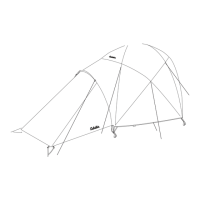
The Cabela's Getaway Dome Tent is designed to provide shelter and protection in various outdoor environments. Its primary function is to offer a secure and comfortable space for camping, allowing users to rest and store their gear away from the elements. The dome tent structure is engineered for stability and ease of setup, making it suitable for both novice and experienced campers. The inclusion of a rain fly enhances its protective capabilities, ensuring dryness during wet weather conditions. The tent is constructed with flame-retardant treated fabrics, meeting CPAI-84 specifications, which adds a layer of safety, though it is crucial to remember that the tent is not fireproof.
Usage Features
The Cabela's Getaway Dome Tent is designed with several features to enhance its usability and overall camping experience.
- Easy Assembly: The tent is designed for straightforward assembly, provided the instructions are followed carefully. The manual breaks down the setup process into clear, sequential steps, starting with laying out the tent body, followed by pole assembly, and finally attaching the rain fly. This systematic approach helps users avoid common mistakes and unnecessary force on tent components.
- Dome Structure: The dome design offers good head room and a stable structure, which is beneficial in various weather conditions. The main poles cross to form an "X" shape, creating a robust framework that supports the tent body.
- Rain Fly: A dedicated rain fly is included to provide superior weather protection. It is designed to drape over the tent body, with a vestibule that aligns with the tent's door, offering an additional sheltered area for gear or entry/exit. The rain fly attaches securely to the poles and tent corners, ensuring it stays in place during windy conditions.
- Vestibule: The vestibule area created by the rain fly offers a convenient space to store muddy boots or other gear, keeping the main tent interior clean and dry. It also provides a buffer against wind and rain when entering or exiting the tent.
- Staking and Guy Lines: The tent utilizes stakes to secure its corners to the ground, with a recommended 45° angle for optimal stability. Guy lines are provided and highly recommended for use every time the tent is set up. These lines not only stabilize the tent in windy conditions but also ensure proper ventilation, preventing condensation buildup inside.
- Gear Loft: An internal gear loft is included, providing a convenient overhead storage solution for small items, helping to keep the tent floor clear and organized.
- Ventilation: The design encourages ventilation, especially when doors are opened, to reduce condensation that can form on the inner tent surface. Proper use of guy lines also contributes to effective airflow.
- Portability: The manual provides instructions for disassembling and packing the tent efficiently. It suggests folding the rain fly over the tent body, then folding the tent into thirds or quarters to match the length of the unassembled poles. The pole and stake bag are placed on the short end, and the tent is rolled firmly around them, making it compact for storage in the carry bag. This design consideration makes the tent suitable for backpacking and easy transport.
- Safety Warnings: The manual prominently features "WARNING!" signs to highlight critical safety information. These warnings cover various hazards, including the importance of proper assembly, avoiding sharp objects on the ground, preventing unnecessary stress on poles, being aware of environmental hazards (falling rocks, lightning, flash floods, strong winds), and crucially, the prohibition of fuel-burning devices inside or near the tent due to the risk of carbon monoxide poisoning and asphyxiation. It also reiterates that while the fabric is flame-retardant, it is not fireproof, and open flames should be kept away.
Maintenance Features
Proper maintenance is crucial for extending the lifespan of the Cabela's Getaway Dome Tent and ensuring its continued performance. The manual provides clear guidelines for cleaning, storage, and inspection.
- Cleaning: The tent should always be stored dry and clean. For soiled areas, the manual recommends gently applying non-detergent soap and water. It specifically advises against scrubbing the tent fabric, as this can damage its water-repellent properties. This gentle cleaning approach helps preserve the integrity of the material and its protective coatings.
- Drying: Before storing, it is imperative that the tent is completely dry. Storing a damp tent can lead to mildew growth, fabric degradation, and unpleasant odors, significantly shortening its lifespan.
- Storage: Once clean and dry, the tent should be packed according to the provided instructions, ensuring poles and stakes are properly secured within their bags and rolled tightly with the tent body into the carry bag. Proper storage in a cool, dry place away from direct sunlight and extreme temperatures will help maintain the fabric's condition and prevent material breakdown.
- Annual Inspection: Users are advised to set up and inspect their tent annually before use. This inspection should involve checking all parts against the provided list to ensure nothing is missing. It also includes inspecting seams for wear and applying seam sealer if needed. This proactive approach helps identify and address minor issues before they become major problems during an outing.
- Seam Sealing: The recommendation to inspect seams and apply seam sealer as needed is a key maintenance tip. Over time, the factory-applied seam tape can degrade, or seams can develop small leaks. Re-sealing ensures the tent remains waterproof and protects against moisture intrusion.
- Avoid Insecticides: The manual explicitly warns against spraying the tent with insecticides. Most insecticides contain chemicals that can damage tent materials, potentially compromising the fabric's water-repellency, strength, and overall durability.
- Gentle Stake Removal: When disassembling, users are instructed to use a hammer or stake puller to remove tent stakes. It is crucial not to remove stakes by pulling on the fabric, as this can cause damage to the tent material or grommets.
- Careful Disassembly: During disassembly, the manual suggests slightly loosening all rain-fly buckles or webbing and window zippers. This practice relieves stress on these components, making future assembly easier and preventing undue strain on the fabric and zippers.
By following these usage and maintenance guidelines, owners of the Cabela's Getaway Dome Tent can ensure its longevity, reliability, and optimal performance for many adventures to come. The emphasis on safety, proper setup, and diligent care underscores Cabela's commitment to providing a durable and user-friendly product.

 Need help?
 General

 To Next Page