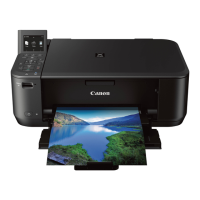
This document outlines the installation process for a Canon PIXMA MG4220 multifunction printer, focusing on connecting it to a network and installing the necessary drivers and software. The guide is designed for users operating on a Macintosh OS, with a separate section for Windows OS (though the Windows OS content is not provided in the given pages).
Function Description:
The Canon PIXMA MG4220 is a multifunction device, implying it combines several functions such as printing, scanning, and copying, though the document primarily focuses on its printing capabilities and network connectivity. The core function described is the ability to connect the device to a network, specifically a wireless network, to enable printing from multiple computers without direct cable connections. This allows for shared usage of the printer within a home or small office environment. The installation process ensures that the printer is properly configured to communicate with the network and the connected computers, facilitating wireless printing.
Usage Features:
The installation guide emphasizes ease of use, starting with a step-by-step approach for connecting the multifunction device to a network.
- Network Connection: The initial setup involves ensuring the computer is already connected to the network (via an access point or router) before attempting to connect the printer. This foundational step is crucial for successful network integration. The guide clearly illustrates the network setup with a diagram showing the internet, an access point/router, and a computer connected to the network, with the printer then connecting to the same network.
- Wireless Connectivity: A key feature highlighted is the wireless connection capability. The PIXMA MG4220 can connect to a Wi-Fi network, allowing users to print without physical cables. The installation routine includes a built-in step-by-step wireless setup. Users are instructed to select "Wireless Connection" during the Connection Method Selection screen.
- Ad-hoc Connection Warning: The document explicitly states that an "Ad-hoc connection," which establishes a direct connection to the computer over a wireless connection without using an access point, is not supported. This clarifies a limitation and guides users towards infrastructure mode wireless connections.
- Driver and Software Installation: The installation of drivers and software is a central usage feature, enabling the computer to recognize and interact with the printer. The guide details how to install these from a provided CD-ROM or by downloading them from the Canon website. The software package includes essential components like MP Drivers, ScanGear, On-screen Manual, Quick Menu, and Canon IJ Network Tool. The Canon IJ Network Tool is specifically noted as being required for wireless network connection.
- Add Printer Process: After the initial software installation, users are guided through adding the printer to their computer's system. This involves selecting "Canon xxx series" with "Canon IJ Network" listed in the Kind column from the Add Printer dialog, ensuring the printer is properly registered and accessible for printing. The document also mentions "Bonjour" as an alternative selection but recommends "Canon IJ Network" for accurate ink level messages.
- Downloadable Drivers: For users who do not have the CD-ROM, the guide provides instructions on how to download the "MG4200 series Mini Master Setup" from the Canon website. This downloadable package offers the same step-by-step installation experience, ensuring that all users can set up their printer regardless of CD-ROM availability.
- Setup Completion: The installation process concludes with a "Setup Complete" screen, indicating that the product is ready for use.
Maintenance Features (related to installation and connectivity):
While the document primarily focuses on initial setup, it includes several points that can be considered maintenance-related or best practices for ensuring smooth operation:
- Network Requirements: Before installation, users are advised to ensure their computer's network configuration is complete and connected to the network. This proactive step helps prevent installation issues.
- Notes on Wireless Connection:
- System Environment Variability: The guide highlights that router functions, setup procedures, and security settings vary depending on the system environment. Users are advised to refer to their device's instruction manual or contact the manufacturer for details, emphasizing the importance of understanding their specific network setup.
- Security Measures: A critical warning is issued regarding connecting to unprotected networks, stating a risk of disclosing personal data. This encourages users to maintain secure network environments.
- Troubleshooting: If error messages appear or network connection issues arise, users are directed to the "Network Setup Troubleshooting" section of the printed manual, providing a resource for resolving common problems.
- Network Segment: Users are instructed to place the machine and computer on the same network segment, which is a fundamental networking principle for direct communication between devices.
- Software Installation Best Practices:
- Administrator Privileges: Users must log on as an administrator (or a member of the Administrators group) for software installation, ensuring necessary system permissions.
- Quit Applications: All running applications should be quit before installation to prevent conflicts.
- No User Switching: Users are advised not to switch users during the installation process, maintaining a stable environment.
- Internet Connection: An internet connection may be required during installation, and users are reminded that connection fees may apply, suggesting they consult their internet service provider.
- Computer Restart: The installation process may require a computer restart. Users are instructed to follow on-screen instructions and not remove the Setup CD-ROM during restarting, as the installation will resume afterward.
- Firewall Configuration: If a firewall is active, a warning message might appear. Users are advised to set their security software to always allow access for Canon software, ensuring proper communication.
- Printer Detection Troubleshooting: If the printer is not detected during the "Add Printer" step, users are prompted to check:
- If the machine is turned on.
- If the firewall function of any security software is turned off.
- If the computer is connected to the access point.
These troubleshooting tips help users diagnose and resolve common connectivity issues, ensuring the printer can be successfully added to the system.

 Need help?
 General



 To Next Page