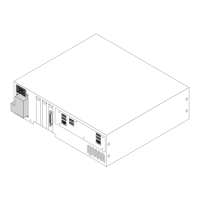
The imagePRESS Server G250 is a device designed to enhance the functionality and performance of a host Canon imagePRESS machine, primarily by serving as an external print server. Its core function is to process print jobs, manage workflows, and provide advanced image quality adjustments, thereby optimizing the overall printing experience.
Function Description:
The imagePRESS Server G250 acts as a dedicated print controller, offloading complex processing tasks from the main imagePRESS machine. This allows for faster processing of print jobs, especially those with intricate graphics, variable data, or large file sizes. It facilitates seamless integration into network environments, enabling users to submit print jobs from various workstations and applications.
Key functions include:
- Print Job Management: The server provides robust tools for managing print queues, prioritizing jobs, and scheduling tasks. This ensures efficient utilization of the imagePRESS machine and minimizes downtime.
- Image Quality Adjustment: It offers advanced features for fine-tuning image quality, including auto gradation adjustment, registration of paper to adjust, execution of correct shading, and auto-correct color tone settings. These adjustments are crucial for achieving consistent and high-quality output across different media types and print runs.
- Network Connectivity: The server is designed for network integration, supporting both Cross Ethernet and Straight Ethernet cables for network connection. This allows for centralized control and monitoring of print operations within a networked environment.
- User Interface Integration: The server's functionalities are accessible through the host machine's LCD, allowing users and administrators to configure settings, monitor job status, and perform maintenance tasks directly from the imagePRESS control panel.
- Security Features: The installation procedure highlights the importance of logging in as a system administrator with a password ("Fiery.1" by default) to access and configure settings, ensuring controlled access to critical functions.
Important Technical Specifications (Inferred from Installation Procedure):
While explicit technical specifications are not fully detailed in the provided pages, several aspects can be inferred:
- Connectivity:
- Ethernet Ports: Supports at least two types of Ethernet cables: Cross Ethernet Cable and Straight Ethernet Cable (3.0 m, for network connection). This indicates multiple network interfaces or versatile connectivity options.
- Interface Cable: An interface cable connects the server to the host imagePRESS machine, suggesting a proprietary or dedicated communication link.
- Power Requirements: The server requires a dedicated power connection, and the installation procedure emphasizes using the correct power cord for the location/area and connecting it to an outlet of a system different from that of the host machine to prevent interference.
- Internal Components: The server contains various internal PCBs (Printed Circuit Boards), including an Open I/F PCB, Bypass PCB, and Main Controller PCB 2, indicating a modular and serviceable design.
- Mounting: The server is designed to be physically installed within or attached to the host imagePRESS machine, utilizing support plates and various screws (M3x6, M4x8, M4x9) for secure mounting.
- Software/Firmware: The mention of "Fiery" as part of the login password and the "Fiery" menu option on the LCD suggests that the server runs on or integrates with Fiery technology, a popular digital front end (DFE) for print management and color processing.
- Network Cable Recommendation: For optimal performance and to prevent interference, the use of Category 5e or higher network cables is recommended, with shielded type (STP) cables being preferred over unshielded type (UTP) cables.
Usage Features:
- Intuitive Installation Process: The manual provides a step-by-step guide with clear symbols for frequently performed operations (e.g., install, remove, tighten, loosen, connect, disconnect), making the installation process straightforward for technicians.
- System Administrator Access: Configuration and advanced settings are protected by a system administrator login, ensuring that only authorized personnel can make critical changes.
- Test Print Functionality: The ability to print PS Test Pages (and PCL Test Pages) allows for verification of network connectivity and print quality after installation and configuration.
- Image Quality Calibration: The server supports various image quality adjustments, which are essential for maintaining print consistency and accuracy over time. These adjustments include auto gradation, paper registration, shading correction, and color tone settings.
- Detailed Status Monitoring: The "Settings After Installation" section implies that users can monitor server status and job information through the host machine's LCD.
Maintenance Features (Inferred):
- Modular Design: The presence of various PCBs (Open I/F PCB, Bypass PCB, Main Controller PCB 2) suggests a modular design, which can simplify troubleshooting and component replacement if a part fails.
- Screw Management: The manual explicitly instructs users to keep removed screws for later steps, indicating a thoughtful design for reassembly and maintenance.
- Cable Management: Warnings about not trapping cables during installation (e.g., when installing the Box Left Cover or Main Controller PCB 2) highlight the importance of proper cable routing, which contributes to long-term reliability and ease of access for future maintenance.
- Software Updates: While not explicitly stated, devices running on DFE technology like Fiery typically receive software and firmware updates to improve performance, add features, and address security vulnerabilities.
- Diagnostic Tools: The "Checking the Operation After Making the Settings" section, which includes outputting a Test Page, serves as a basic diagnostic tool to verify proper functionality post-installation. Further diagnostic capabilities are likely available through the Fiery interface.
- Environmental Considerations: The caution regarding the power cord and outlet selection (different system from the host machine) is a maintenance-related consideration to prevent electrical issues or interference.

 Need help?

 To Next Page
 General