EasyManua.ls Logo

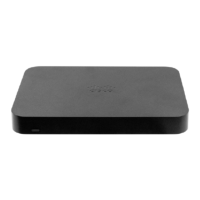
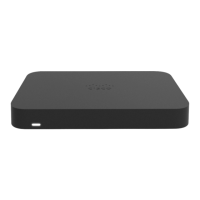
Cisco MERAKI Z3 - User Manual

Cisco MERAKI Z3
2 pages
Print Icon
To Next Page IconTo Next Page
Loading...
Z3/Z4 Quick Start
Quick Start
If you just want to get started without reading any more, follow these basic steps.
1. Unpack and mount your Z3/Z4 (desktop or wall mount) and power it on.
2. Make sure the Z3/Z4 can get a DHCP lease from the WAN connection / ISP modem.
3. Plug the WAN / Internet port into the WAN connection / ISP modem using the provided patch cable.
4. After powering on, the Z3/Z4 may need to download the latest firmware image from the cloud. While upgrading,
the power LED will flash. When the Z3/Z4 has fully checked into the Cisco Meraki Dashboard, the LED become
solid.
5. Login to http://dashboard.meraki.com and create a new network. Enter in the serial number of your Z1 (found on
the bottom of the unit). This will create a new teleworker gateway network to begin working with your Z3/Z4.
Alternatively, use your phone to scan and onboard your devices with the Meraki mobile app (iOS) (Android).
6. You’re done!
If you need to set up a static IP address for the WAN connection, please read the Z3/Z4 Installation Guides.
Quickly Scan and Claim Multiple Devices through the Meraki Mobile App
If you have to claim multiple devices, the quickest way is by scanning their barcode using the Meraki app.
1. Log in to your Meraki iOS or Android app with your Meraki dashboard account. Create a new account if you do not
have one.
2. Navigate to the correct network through the left-side bar.
3. Go to the Devices tab from the bottom navigation bar.
4. Select the + icon on the top right of the screen and pick Scan new device barcode.
5. Point your phone camera toward the hardware barcode to claim the device.
1
Question and Answer IconNeed help?

Do you have a question about the Cisco MERAKI Z3 and is the answer not in the manual?

Summary

Quick Start Guide

Mobile App Device Onboarding

Alternative method to onboard devices using the Meraki mobile app for iOS and Android.

Claim Multiple Devices with Meraki Mobile App

Overview

This document provides a quick start guide for the Cisco Meraki Z3/Z4 teleworker gateway, designed to help users get their device up and running efficiently. The Z3/Z4 functions as a teleworker gateway, enabling remote workers to securely connect to their corporate network and access resources as if they were in the office. It facilitates a reliable and secure connection for distributed workforces, ensuring business continuity and productivity. The device is suitable for both desktop placement and wall mounting, offering flexibility in deployment based on the user's environment and space availability.

Function Description

The Cisco Meraki Z3/Z4 is primarily a teleworker gateway, acting as a secure bridge between a remote user's home network and their organization's network. Its core function is to establish a secure, encrypted connection, often referred to as a Virtual Private Network (VPN) tunnel, back to the corporate network. This allows remote employees to access internal applications, files, and services with the same security policies and network performance they would experience in a traditional office setting. The device is designed to be plug-and-play, minimizing the need for extensive IT support for remote deployments. It integrates seamlessly with the Cisco Meraki Dashboard, a cloud-based management platform that provides centralized control, monitoring, and configuration for all Meraki devices within an organization's network. This cloud integration is a cornerstone of the Meraki ecosystem, simplifying network management and enabling remote troubleshooting.

The Z3/Z4 supports various network configurations, including obtaining an IP address via DHCP from the WAN connection or ISP modem. This automatic configuration simplifies initial setup for most users. For more advanced scenarios, the device also supports static IP address configuration for the WAN connection, providing flexibility for specific network requirements. Once connected and powered on, the Z3/Z4 automatically checks into the Meraki Dashboard. During this process, it may download the latest firmware updates to ensure it's running the most current and secure software. This automatic firmware management is a key maintenance feature, ensuring the device remains up-to-date without manual intervention from the user. The device's LED indicator provides visual feedback on its status, such as flashing during firmware upgrades and becoming solid once it has successfully connected to the Dashboard.

Beyond its primary gateway function, the Z3/Z4 likely includes features common to network devices designed for remote work, such as basic firewall capabilities to protect the local network, and potentially traffic shaping settings to prioritize critical business applications over less important traffic. These features contribute to a more stable and productive remote work experience by ensuring that essential services receive adequate bandwidth and are protected from common internet threats. The device's integration with the Meraki Dashboard allows administrators to configure these settings remotely, applying consistent policies across all deployed Z3/Z4 units.

Usage Features

The Z3/Z4 is designed for ease of use, particularly during initial setup. The quick start guide outlines a straightforward process:

  1. Unpack and Mount: Users begin by unpacking the device and placing it on a desktop or mounting it on a wall, depending on their preference and available space.
  2. Power On: The device is then connected to a power source.
  3. WAN Connection: The WAN/Internet port is connected to the ISP modem or WAN connection using the provided patch cable. The device is designed to automatically obtain a DHCP lease, simplifying network configuration for most home internet setups.
  4. Automatic Firmware Update and Cloud Check-in: Upon powering on, the Z3/Z4 automatically attempts to connect to the Cisco Meraki Dashboard. During this process, it may download and install the latest firmware. The power LED provides visual cues, flashing during upgrades and becoming solid once the device has successfully connected to the cloud. This automatic process minimizes user intervention and ensures the device is running optimal software.
  5. Dashboard Login and Network Creation: Users then log in to the Meraki Dashboard (http://dashboard.meraki.com) to create a new network. This involves entering the serial number of the Z3/Z4 (typically found on the bottom of the unit). This action registers the device and sets up a new teleworker gateway network within the Dashboard, allowing administrators to manage and configure it.
  6. Mobile App Onboarding: For added convenience, devices can also be onboarded using the Meraki mobile app (available for iOS and Android). This feature allows users to scan the device's barcode with their phone camera to claim and add it to their network, streamlining the setup process, especially when deploying multiple units.

The Meraki mobile app offers a particularly efficient way to manage multiple devices. Users can log into the app with their Meraki dashboard account, navigate to the correct network, and then use the "Scan new device barcode" feature. By pointing their phone camera at the hardware barcode, they can quickly claim devices. After scanning, users enter device information and select "Done." The "Add another" option allows for continuous scanning and claiming of multiple devices, making bulk deployments much faster. This mobile-first approach significantly reduces the time and effort required for device provisioning.

Maintenance Features

The Cisco Meraki Z3/Z4 incorporates several features that simplify ongoing maintenance and ensure the device operates reliably:

  • Cloud-Managed Firmware Updates: One of the most significant maintenance advantages is the automatic, cloud-managed firmware update process. When the Z3/Z4 connects to the Meraki Dashboard, it checks for and downloads the latest firmware. This ensures the device always runs the most current software, benefiting from the latest security patches, bug fixes, and feature enhancements without requiring manual intervention from the end-user or IT staff. The power LED provides a visual indicator during this process, flashing until the update is complete and the device is fully checked in.
  • Centralized Management via Meraki Dashboard: All configuration, monitoring, and troubleshooting for the Z3/Z4 are performed through the cloud-based Meraki Dashboard. This centralized platform allows IT administrators to manage devices remotely, eliminating the need for on-site visits for most maintenance tasks. Administrators can view device status, network performance, connected clients, and apply configuration changes from anywhere with internet access. This capability is crucial for supporting a distributed workforce.
  • Remote Troubleshooting: The Dashboard provides extensive diagnostic tools and visibility into the device's operation. Administrators can remotely check the WAN connection status, verify DHCP leases, monitor network traffic, and identify potential issues. This remote troubleshooting capability significantly reduces downtime and improves the efficiency of IT support.
  • Mobile App for Device Management: The Meraki mobile app not only facilitates initial onboarding but also provides a convenient way to monitor and manage devices on the go. Users or administrators can quickly check device status, network health, and perform basic management tasks directly from their smartphone or tablet.
  • Simplified Device Claiming and Inventory Management: The barcode scanning feature in the mobile app simplifies the process of adding new devices to the network. This also aids in inventory management, as claimed devices are automatically registered within the Dashboard, providing a clear overview of all deployed Z3/Z4 units.
  • Support for Static IP Configuration: While DHCP is the default and simplest setup, the option to configure a static IP address for the WAN connection provides flexibility for networks with specific addressing requirements. This ensures compatibility with a broader range of network environments and allows for more controlled network configurations when needed.
  • Commonly Used Articles for Self-Service: The quick start guide points users to "Commonly Used Articles" such as "Firewall settings," "Traffic shaping settings," and "DHCP service." These resources empower users or local IT staff to find answers to common questions and perform basic configurations, reducing the reliance on direct support for routine inquiries.

In summary, the Cisco Meraki Z3/Z4 is a robust and user-friendly teleworker gateway designed to provide secure and reliable remote access to corporate networks. Its cloud-managed architecture, automatic firmware updates, and intuitive setup process, including mobile app onboarding, significantly simplify both initial deployment and ongoing maintenance, making it an ideal solution for supporting modern distributed workforces.

Cisco MERAKI Z3 Specifications

General IconGeneral
ModelCisco Meraki Z3
CategoryNetwork Router
Firewall Throughput100 Mbps
VPN Throughput50 Mbps
Concurrent VPN Tunnels5
Operating Temperature32 °F to 104 °F (0 °C to 40 °C)
USB Port1 x USB 2.0
WAN Port1 x Gigabit Ethernet
Wireless802.11ac
Power Supply12V / 1.5A
VPN SupportYes
SecurityStateful firewall, Advanced Malware Protection (AMP)
Cloud ManagementYes

Related product manuals