This document outlines the installation process for the CLICK 3D EPP F3P model aircraft. It serves as a step-by-step guide for assembling the various components of the aircraft, from initial parts identification to the final installation of electrical equipment. The manual emphasizes precision in assembly, particularly regarding the alignment of structural components, to ensure proper flight characteristics.
Function Description:
The CLICK 3D EPP F3P is a model aircraft designed for flight, likely in the category of 3D aerobatics, given the "3D" in its name, and F3P, which typically refers to indoor aerobatics. The "EPP" indicates that the aircraft is constructed from Expanded Polypropylene foam, a durable and lightweight material commonly used in model aircraft for its resilience to crashes and ease of repair. The primary function of this manual is to guide users through the physical assembly of the aircraft's airframe, preparing it for the installation of electronic components necessary for flight. It focuses on the structural integrity and correct alignment of the wings, fuselage, and control surfaces.
Important Technical Specifications (Inferred from the manual):
- Material: EPP (Expanded Polypropylene) foam, known for its durability and light weight.
- Structural Reinforcement: Utilizes carbon tubes (3mm and 4mm square) for structural rigidity, particularly in the wings and fuselage. Stainless steel tubes are also mentioned as connectors.
- Control Surfaces: The aircraft features rudder horns and push rod fixing plates, indicating conventional control surface operation (ailerons, elevator, rudder).
- Assembly Method: Primarily relies on glue for bonding components, with specific instructions for grinding carbon tubes and ensuring vertical alignment of parts.
- Parts Count: The initial assembly involves five main parts, which are then further assembled into the complete airframe.
- Electrical Equipment (User-Supplied): Requires a motor, servo(s), ESC (Electronic Speed Controller), and receiver for operation. These components are not included in the assembly instructions but are mentioned as necessary for completion.
Usage Features:
The manual focuses on the assembly phase, which is a critical prerequisite for using the aircraft. Key usage features derived from the installation process include:
- Modular Design: The aircraft is assembled from several distinct parts, suggesting a modular design that might facilitate transport or repair.
- Aerobatic Capability: The "3D" and "F3P" designations strongly imply that the aircraft is designed for advanced aerobatic maneuvers, requiring precise control and a robust airframe.
- Indoor/Outdoor Use (Inferred): While F3P typically refers to indoor flight, the general nature of the manual doesn't explicitly restrict it, though EPP foam models are often versatile.
- Skill Level Requirement: The "Special note" at the end explicitly states that the aircraft is suitable for players with a "fixed wing flight foundation," indicating that it is not a beginner-level model. It requires prior experience in flight and understanding of electrical installation and debugging.
- Customization: The manual mentions selecting servo rocker arm length, implying some degree of customization or adjustment based on user preference or specific servo types.
Maintenance Features (Inferred from material and assembly):
- EPP Durability: EPP foam is highly resistant to damage from impacts, making the aircraft relatively easy to maintain and repair after minor crashes. This material choice significantly reduces the frequency of major repairs compared to more brittle materials.
- Glue-Based Assembly: While glue provides strong bonds, it also allows for relatively straightforward repairs if parts need to be reattached or replaced.
- Carbon Rod Reinforcement: The use of carbon rods for reinforcement enhances the structural integrity, reducing the likelihood of damage during normal use. The instruction to use a short carbon rod for trial assembly suggests a design that allows for adjustments or easy replacement of reinforcing elements.
- Modular Component Replacement: The assembly process, involving distinct parts, suggests that individual components (e.g., a wing, a fuselage section) could potentially be replaced if damaged, rather than requiring a complete aircraft replacement.
- User Responsibility for Electronics: The manual clearly separates the airframe assembly from the electrical installation and debugging, placing the responsibility for these aspects on the user. This implies that maintenance of the electronic systems (motor, ESC, servos, receiver) is a separate skill set required by the user.
- Importance of Vertical Alignment: The emphasis on ensuring vertical alignment of the wing and fuselage, as well as horizontal and vertical parts of the fuselage, highlights the importance of precise assembly for optimal flight performance and reduced wear on components due to improper forces. This attention to detail during assembly contributes to the overall longevity and stability of the aircraft.
In summary, the CLICK 3D EPP F3P is a durable, aerobatic model aircraft designed for experienced pilots. Its EPP foam construction and carbon fiber reinforcement contribute to its resilience and performance. The installation manual provides clear instructions for assembling the airframe, emphasizing precision and structural integrity, while also highlighting the user's responsibility for the complex aspects of electrical setup and flight debugging.

 Need help?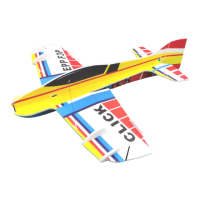

 To Next Page
 General