OM.A40FP.20150701
Dry ice cleaning is similar to sand blasting, plastic bead blasting or soda blasting where a medium
is accelerated in a pressurized air stream to impact a surface to be cleaned or prepared.
However, instead of using hard abrasive media to grind on a surface (and damage it), dry ice
cleaning uses soft dry ice accelerated at supersonic speeds to impact the surface and lift the
undesirable item off the underlying substrate.
DRY ICE CLEANING:
ȏLVDQRQDEUDVLYHQRQȵDPPDEOHDQGQRQFRQGXFWLYHFOHDQLQJPHWKRG
• is environmentally-responsible and contains no secondary contaminants such as
solvents or grit media
• is clean and approved for use in the food industry
• allows most items to be cleaned in place without time-consuming disassembly
ȏFDQEHXVHGZLWKRXWGDPDJLQJDFWLYHHOHFWULFDORUPHFKDQLFDOSDUWVRUFUHDWLQJȴUHKD]DUGV
• can be used to remove production residues, release agents, contaminants, paints, oils
DQGELRȴOPV
• can be as gentle as dusting smoke damage from books or as aggressive as removing weld
slag from tooling
• can be used for many general cleaning applications
Cold Jet dry ice cleaning uses compressed air to accelerate frozen carbon dioxide (CO
2
) “dry ice”
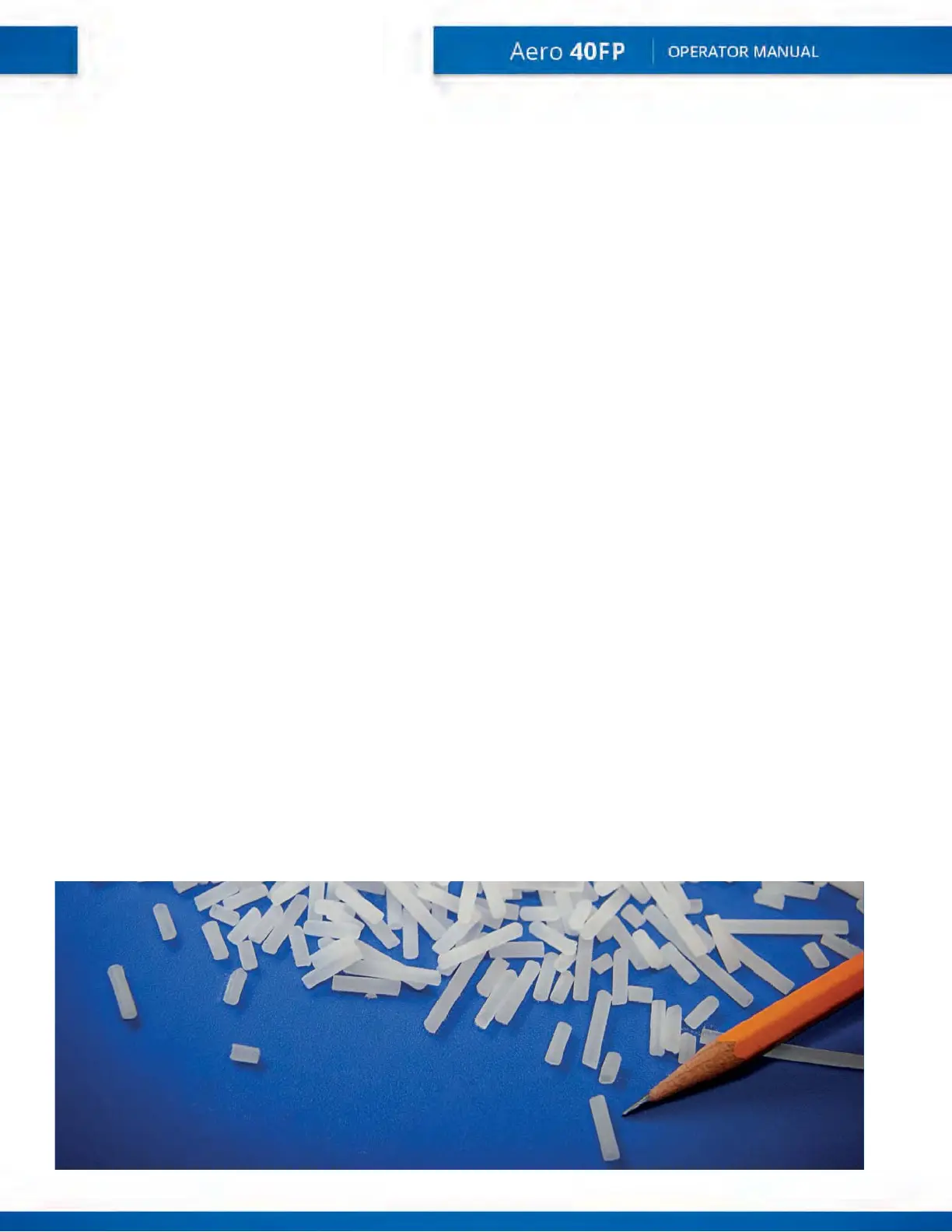
pellets to a high velocity. Dry ice pellets can be made on-site or supplied. Pellets are made from
IRRGJUDGHFDUERQGLR[LGHWKDWKDVEHHQVSHFLȴFDOO\DSSURYHGE\WKH)'$WKH(3$DQGWKH86'$
Carbon dioxide is a non-poisonous, liquefied gas, which is both inexpensive and easily stored at
work sites.
WHAT IS DRY ICE
CLEANING?



 To Next Page