EasyManua.ls Logo

Daikin AVA125AMVE - User Manual

Daikin AVA125AMVE
18 pages
Print Icon
To Next Page IconTo Next Page
Loading...
OPERATION MANUAL
AVA125AMVE
Split System Air Conditioner
3PEN486799-2.book Page 1 Tuesday, June 27, 2017 10:53 AM

Questions and Answers

Summary

Safety Precautions

What to Do Before Operation

Precautions for Group Control System or Two Remote Controller Control System

Explains system types: group control (up to 16 units) and two remote controllers (one unit).

Names and Functions of Parts

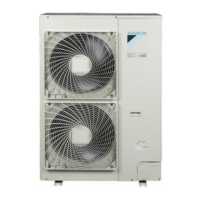
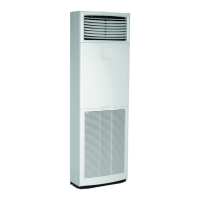
Identifies and describes the function of various parts of the indoor and outdoor units.

Operation Range

Installation Site

Prohibited Installation Locations

Lists places like oily areas, beaches, hot springs, high voltage fluctuations, vehicles, cooking areas, etc.

Operation Procedure

Operation Characteristics

Cooling Operation Characteristics

Explains frost formation during low indoor temps and system switching to DEFROST OPERATION.

Heating Operation Characteristics

Details on longer heating times, pre-heating, and auto-defrost operation.

Program Dry Operation Characteristics

Describes humidity reduction without significant temp drop, auto settings, and defrost interaction.

Airflow Direction Adjustment

Explains how to adjust airflow direction using the remote controller or manually.

Optimum Operation

Maintenance

How to Clean the Air Filter

Instructions for cleaning the air filter when indicated by the remote controller.

Not a Malfunction of the Air Conditioner

System Does Not Operate

Explains non-malfunction reasons for system not starting or restarting.

Operation Sometimes Stops

Addresses temporary stops due to communication issues or error codes (U4, U5).

Fan Speed Differs from Setting

Explains why fan speed may not change, especially during cooling or defrost.

Air Blow Direction Not as Specified

Covers cases where actual airflow direction differs from the controller setting.

Airflow Direction Differs from Display

Explains discrepancies between flap movement and controller display during heating.

White Mist from Unit

Discusses white mist during cooling (high humidity) or defrost operation.

Air Conditioner Noises

Describes various normal operating sounds like ringing, shuh, shah, and pishi-pishi.

Dust from Units

Explains dust blowing out after long resting periods.

Units Give Off Odors

Addresses odors absorbed from the room environment.

Unit Does Not Cool Effectively

Explains ineffective cooling, often related to Program Dry mode usage.

Trouble Shooting

System Does Not Operate at All

Checks for blown fuses, circuit breakers, or power failures.

System Stops After Operation

Checks for blocked inlets/outlets or clogged air filters.

Insufficient Cooling or Heating

Checks for blocked airflow, clogged filters, improper temperature settings, or open doors/windows.

Unit Starts or Stops Unexpectedly

Investigates timer operation, connected remote control devices, or centralized control.

Unit Operates by Itself

Relates to refrigerant leakage sensor activation or false detection.

Unit Does Not Cool or Warm Up

Checks for refrigerant leakage sensor activation or false detection.

Fault Diagnosis by Remote Controller

Interprets error codes (A0, CH) displayed on the remote controller.

Disposal Requirements

Summary

Safety Precautions

What to Do Before Operation

Precautions for Group Control System or Two Remote Controller Control System

Explains system types: group control (up to 16 units) and two remote controllers (one unit).

Names and Functions of Parts

Identifies and describes the function of various parts of the indoor and outdoor units.

Operation Range

Installation Site

Prohibited Installation Locations

Lists places like oily areas, beaches, hot springs, high voltage fluctuations, vehicles, cooking areas, etc.

Operation Procedure

Operation Characteristics

Cooling Operation Characteristics

Explains frost formation during low indoor temps and system switching to DEFROST OPERATION.

Heating Operation Characteristics

Details on longer heating times, pre-heating, and auto-defrost operation.

Program Dry Operation Characteristics

Describes humidity reduction without significant temp drop, auto settings, and defrost interaction.

Airflow Direction Adjustment

Explains how to adjust airflow direction using the remote controller or manually.

Optimum Operation

Maintenance

How to Clean the Air Filter

Instructions for cleaning the air filter when indicated by the remote controller.

Not a Malfunction of the Air Conditioner

System Does Not Operate

Explains non-malfunction reasons for system not starting or restarting.

Operation Sometimes Stops

Addresses temporary stops due to communication issues or error codes (U4, U5).

Fan Speed Differs from Setting

Explains why fan speed may not change, especially during cooling or defrost.

Air Blow Direction Not as Specified

Covers cases where actual airflow direction differs from the controller setting.

Airflow Direction Differs from Display

Explains discrepancies between flap movement and controller display during heating.

White Mist from Unit

Discusses white mist during cooling (high humidity) or defrost operation.

Air Conditioner Noises

Describes various normal operating sounds like ringing, shuh, shah, and pishi-pishi.

Dust from Units

Explains dust blowing out after long resting periods.

Units Give Off Odors

Addresses odors absorbed from the room environment.

Unit Does Not Cool Effectively

Explains ineffective cooling, often related to Program Dry mode usage.

Trouble Shooting

System Does Not Operate at All

Checks for blown fuses, circuit breakers, or power failures.

System Stops After Operation

Checks for blocked inlets/outlets or clogged air filters.

Insufficient Cooling or Heating

Checks for blocked airflow, clogged filters, improper temperature settings, or open doors/windows.

Unit Starts or Stops Unexpectedly

Investigates timer operation, connected remote control devices, or centralized control.

Unit Operates by Itself

Relates to refrigerant leakage sensor activation or false detection.

Unit Does Not Cool or Warm Up

Checks for refrigerant leakage sensor activation or false detection.

Fault Diagnosis by Remote Controller

Interprets error codes (A0, CH) displayed on the remote controller.

Disposal Requirements

Daikin AVA125AMVE Specifications

General IconGeneral
CategorySplit air conditioner
Cooling Capacity12.5 kW
Heating Capacity14.0 kW
Energy Efficiency Ratio (EER) (Cooling)3.21
Power Supply3 Phase, 380-415 V, 50 Hz
Power Consumption3.89 kW
RefrigerantR410A

Related product manuals