AERODYNAMIC INFORMATION 24
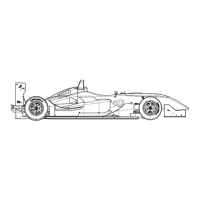
• Front wing main-plane and rear lower wing are set relative to the chassis reference
plane.
• The optimum setting for most of the setting range is the front main-plane at -0.5°, and
the rear lower wing at +5°. Any chassis rake angle will alter this setting.
• Front flap inclination is intended to be the angle, relative to the chassis reference
plane, measured on top of the flap front and inside the Gurney ‘corner’.
• Rear top wing assembly inclination is intended to be the angle, relative to the chassis
reference plane, measured between the front of the flap, on top and the rearmost
trailing edge. Any chassis rake will alter this setting.
• Front and rear ride height settings are fundamental to the aerodynamic balance and
ultimate performance of the car. Pay attention to the changes between static setting
and the dynamic values on the track.
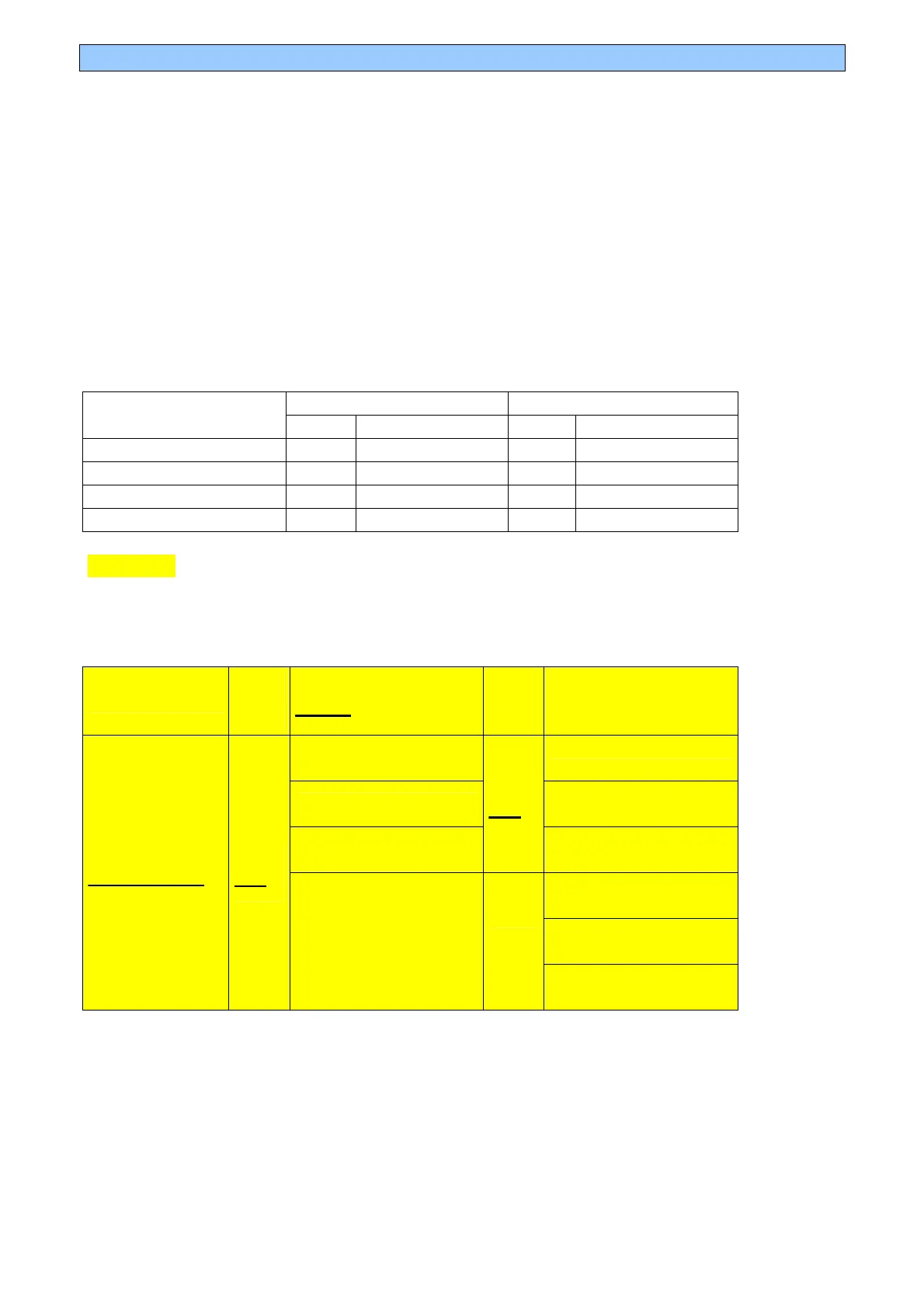
MINIMUM SUGGESTED MAXIMUM SUGGESTED
DOWNFORCE CFG
HOLE INCIDENCE HOLE INCIDENCE
FRONT MF FLAP A1 10° G4 37°
FRONT SF FLAP A1 10° D4 34°
REAR TOP MDF WING A1 0° A4 18°
REAR TOP HDF WING A1 2° C4 23°
BALANCE
HOW TO BALANCE 1° FRONT FLAP VARIATION BY CHANGING THE REAR
WING, REAR RIDE HEIGHT OR FRONT RIDE HEIGHT?
RR TOP =>
Front
flap
type
MDF
Front
flap
type
HDF
0.7 holes RR top
0.7 holes RR top
2mm lower RR height
2.5mm lower RR
height
0.4mm lower FR
height
MF
0.5mm lower FR
height
1 holes RR top
3mm lower RR height
FRONT FLAP
MF
SF
0.6mm lower FR
height
MF: MEDIUM FLAP; SF: STANDARD FLAP


 To Next Page