Need help?
Do you have a question about the DC DC035 and is the answer not in the manual?
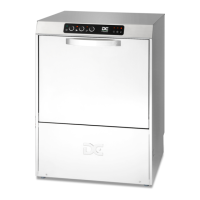
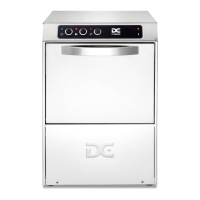
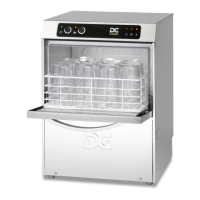
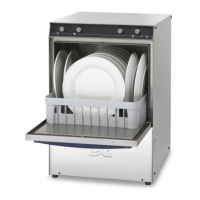
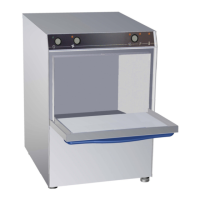
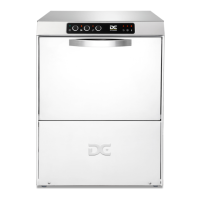
The DC Series Warewash Systems are commercial dishwashers designed for efficient and thorough cleaning of dishes, glasses, and other kitchenware. These machines are available in models DC035 and DC040, catering to various operational needs in catering environments.
The primary function of the DC Series warewashers is to automate the dishwashing process, ensuring hygiene and efficiency. The machine operates through a cycle that includes washing and rinsing, with precise control over water temperature and chemical dosing.
Before operation, users must ensure the drain plug is firmly in place and filters are properly secured. Detergent (red) and rinse aid (clear) supply tubes, equipped with foot valves, must be submerged in their respective products. Once these checks are complete, the door is closed, and the power switch is pressed, illuminating a green lamp. The machine then requires approximately 20 minutes to reach the correct washing temperature.
For operation, users remove all debris from items before placing them into the basket. After closing the door, pressing the cycle switch initiates the wash cycle, indicated by a lit cycle lamp. Upon completion, the cycle lamp extinguishes, allowing the user to open the door, remove the basket, and allow excess water to drain.
The machine uses a combination of heated water and chemical agents (detergent and rinse aid) to clean items. Water is supplied to the machine, and the wash tank fills. The boiler then heats the water to the desired temperature (factory set to 55°C for the wash tank and adjustable to 86°C for the rinse boiler). During the cycle, wash jets spray the detergent solution, and rinse jets apply the rinse aid, ensuring thorough cleaning and spot-free drying.
The DC Series warewashers are designed with several technical features to ensure reliable performance:
The machines can be connected to a 13-amp socket or hardwired into a 25-amp or three-phase supply (16 amps per phase), depending on the model's requirements. A suitably rated mains on/off switch should be fitted close to the machine for safety and convenience.
A 3/4 BSP cold water hose connects the machine to a mains water shut-off tap. For installations with a water softener, an additional mains cold water hose connects the machine to the softener and then to the tap.
The machines offer two waste disposal options:
Peristaltic dosing pumps control the supply of detergent and rinse aid. These pumps have adjustable settings (typically 3-5 for detergent and 1-2 for rinse aid) to optimize washing results. The correct adjustment is crucial to prevent poor cleaning or machine damage.
The machine includes a wash tank thermostat (factory set to 55°C), a rinse boiler thermostat (adjustable to 86°C), and a safety overload thermostat to ensure safe and consistent operating temperatures.
The DC Series warewashers are designed for ease of use and operational efficiency in a commercial kitchen:
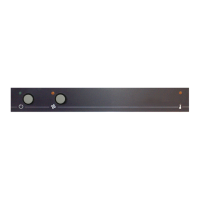
The machine features a simple interface with a power switch, cycle switch, and indicator lamps for power and boiler readiness. The boiler ready lamp illuminates when the machine is heating and extinguishes once the adjusted boiler temperature is reached.
Items are placed into baskets after removing debris, ensuring optimal cleaning. The door is then closed to initiate the wash cycle.
Detergent and rinse aid supply tubes are clearly marked (red for detergent, clear for rinse aid) and must be submerged in their respective products. The dosing pumps allow for precise adjustment of chemical concentrations, which can be fine-tuned based on the specific chemicals used and water hardness. A visible foam level of 4mm to 6mm on the wash tank water surface at the end of a cycle is a good indicator of correct rinse aid adjustment.
For areas with hard water, the machine can be integrated with a water softener. This feature is highly recommended to improve detergent and rinse aid results, prevent spotting on items, and eliminate lime scale buildup within the machine, thereby extending its lifespan and maintaining performance.
Before full operation, a pre-test involves checking for leaks after turning on the water supply. The machine is then powered on, allowing the wash tank to fill and the boiler to heat. Commissioning involves adjusting the rinse boiler temperature, running several cycles to check pump activation and temperatures, and making final adjustments to dosing pumps based on the observed cleaning results. Staff should be instructed on the machine's proper use.
Routine maintenance is crucial for the longevity and optimal performance of the DC Series warewashers:
After each session, the power switch should be turned off. The drain plug is then removed to empty the wash tank. For machines with a waste pump, the waste pump switch is pressed and held until the wash tank is empty.
Users should clean around the wash tank, door surrounds, and hinges using a washing-up brush. Debris collected in the wash tank must be removed.
The filter nut is unscrewed, and the filter is removed, thoroughly cleaned, and then replaced, securing it with the filter nut. It is critical to prevent debris from going down the outlet holes, as this can damage the machine.
Regularly checking and cleaning the rinse jets and wash jets is essential to prevent blockages from debris or lime scale. This involves unscrewing the rinse arm nut, removing the wash arm cleaning caps, cleaning them thoroughly, and then reassembling.
If a water softener is installed, it should be regenerated once a week or according to the manufacturer's instructions to maintain its effectiveness.
Service calls to rectify faults caused by a lack of routine maintenance will be charged, and the warranty may be affected. This emphasizes the importance of adhering to the recommended maintenance schedule.
Installation and servicing must be carried out by qualified catering engineers trained for this specific type of machine. Removing the lower front or top panel exposes an electric shock risk, highlighting the need for professional intervention for any repairs or complex maintenance tasks.
 General
| Brand | DC |
|---|---|
| Model | DC035 |
| Category | Dishwasher |
| Language | English |


 To Next Page