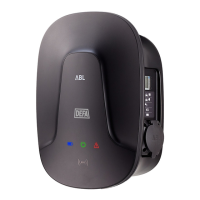
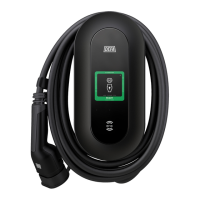
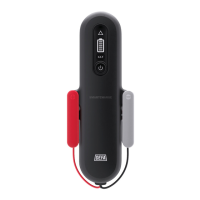
The eMove Portable Charger is a premium charging solution designed for electric vehicles and plug-in hybrids, prioritizing user-friendliness and durability. This device facilitates Mode 2 charging, connecting your vehicle to a standard earthed domestic outlet.
Function Description
The primary function of the eMove Portable Charger is to provide a safe and efficient means of charging electric vehicles and plug-in hybrids from a domestic power supply. It incorporates a control box that manages the charging process, ensuring optimal power delivery and safety. The charger features a Type 2 vehicle plug for connection to the car's inlet and a Type F Schuko domestic plug for the power outlet. The control box includes a display for power input indication, charger status, and vehicle connection status, providing visual feedback on the charging process and any potential issues.
Usage Features
The eMove Portable Charger is designed for ease of use with several intuitive features:
- Efficient Cable Management: Integrated cable clips and guides help keep the cable tidy during use and storage, preventing tangles and damage.
- Robust and Durable Design: Encased in an aluminum housing, the charger is built to withstand rough conditions, ensuring a long product life.
- Flexible Cable: The cable is designed to be highly flexible, even in temperatures as low as -40°C, making it easy to wind and handle in various climates.
- Flexible Storing Options: The product includes a bracket for wall mounting, or it can be hung from a hook, offering versatile storage solutions.
- Safe Power Connection: A temperature sensor within the domestic connector monitors heat levels and will reduce or turn off charging if it detects overheating, protecting both the charger and the electrical outlet.
- User-Friendly Interface: The charger operates with a simple one-button interface and an intuitive display, making it easy for users to understand and control the charging process.
- Power Adjustment: Users can manually reduce the charging current to protect the main fuse of their electrical system, which is particularly useful when the domestic outlet's circuit is shared with other electrical products or has a lower rating than the charger's maximum output.
- High Mode for Faster Charging: A "High mode" is available, which provides faster charging for a duration of 120 minutes. After this period, the charger automatically reverts to "Normal mode." If the control box or domestic plug becomes too hot during High mode, the current level will automatically reduce until a lower temperature is detected.
- Low Mode for Reduced Power: A "Low mode" can be activated to reduce the charging level, which is beneficial when the domestic outlet's fuse is lower than the product's rating or when the circuit is shared. This setting is stored for subsequent uses until manually changed.
- Adjustable Low Mode: The Low mode can be manually adjusted from 6A up to one level below the normal level, in 1A steps. This adjustment is performed by connecting the charger to a domestic outlet (without connecting to the vehicle), holding the Mode Button, and then pressing it repeatedly to cycle through the desired current levels. The chosen level is stored for future use.
- Clear Display Symbols: The control box features distinct display symbols for power input (no light for power off, solid light for power on, pulsing for charging, pulsing red for error), mode selection (no light for Normal, light for Low or High mode), and charger status (bars indicating mode, flowing lights for self-test, solid bars for ready, pulsing for charging, pulsing red for error).
- Vehicle Connection Indication: The display also shows the vehicle connection status, indicating if the battery is connected but not yet charging, or if charging is in progress, with the speed of the flowing lights indicating the active mode.
- Error Detection and Solutions: The charger provides clear error indications for vehicle-side issues (e.g., battery problems, faulty connection), control box cable issues, internal charger unit errors (e.g., overheating), and domestic side power supply problems (e.g., fluctuating voltage, ground faults). Accompanying instructions guide the user through troubleshooting steps, such as unplugging and replugging, consulting the vehicle's manual, or contacting an electrician or DEFA support.
- Proper Plug Connection and Unplugging: The manual emphasizes the correct sequence for plugging in (domestic plug first, then vehicle plug) and unplugging (vehicle plug first, then domestic plug) to ensure safety and proper operation. It also advises ensuring the vehicle plug is fully inserted and locked to initiate charging.
- Plug Strap Utility: The plug strap can be adjusted to position the cap, preventing water and dirt collection and keeping it clear of the vehicle during charging.
Maintenance Features
Maintaining the eMove Portable Charger is straightforward, focusing on regular checks and proper cleaning:
- Regular Plug Inspection: Users should regularly check the plugs for dust, dirt, pebbles, and ensure they are kept dry.
- Control Box Inspection: The control box should be checked periodically for any cracks or other signs of damage.
- Cable Inspection: The charging cable needs regular inspection for cracks or other damage that could affect its integrity and safety.
- Domestic Outlet Inspection: The domestic outlet itself should be checked for any damage or wear.
- Unplug When Not in Use: To ensure safety and prolong the life of the charger, it should be unplugged from the domestic outlet when not in use.
- Cleaning Instructions: Before cleaning, the portable charger must be unplugged. Cleaning should be done with a damp cloth, and the use of water or harsh chemicals should be avoided to prevent damage.
- Proper Storage: The cable should always be stored rolled up, and the control box should be mechanically or manually supported, never left hanging unsupported from the domestic outlet. The plug cap should be attached to protect the vehicle plug during storage.

 Need help?
 General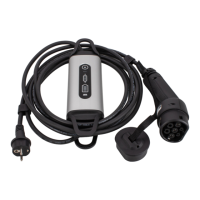

 To Next Page