18
Guidelines Are for Home Use and Not for Hospital Use.
Use the following guidelines for the storage of breast milk.
By following recommended storage and preparation techniques, breastfeeding mothers and caretakers of
breastfed infants and children can maintain the safety and quality of expressed breast milk for the health of
the baby. These are general guidelines for storing breast milk at dierent temperatures. Various factors (milk
volume, room temperature when milk is expressed, temperature uctuations in the refrigerator and freezer,
and cleanliness of the environment) can aect how long breast milk can be stored safely.
Breast Milk Storage Guidelines Center for Disease Control and Prevention (“CDC”);
https://www.cdc.gov/breastfeeding/recommendations/handling_breastmilk.htm
Adapted from “ABM Clinical Protocol #8: Human Milk Storage Information for Home Use For Full-Term Infants,” Revised 2017
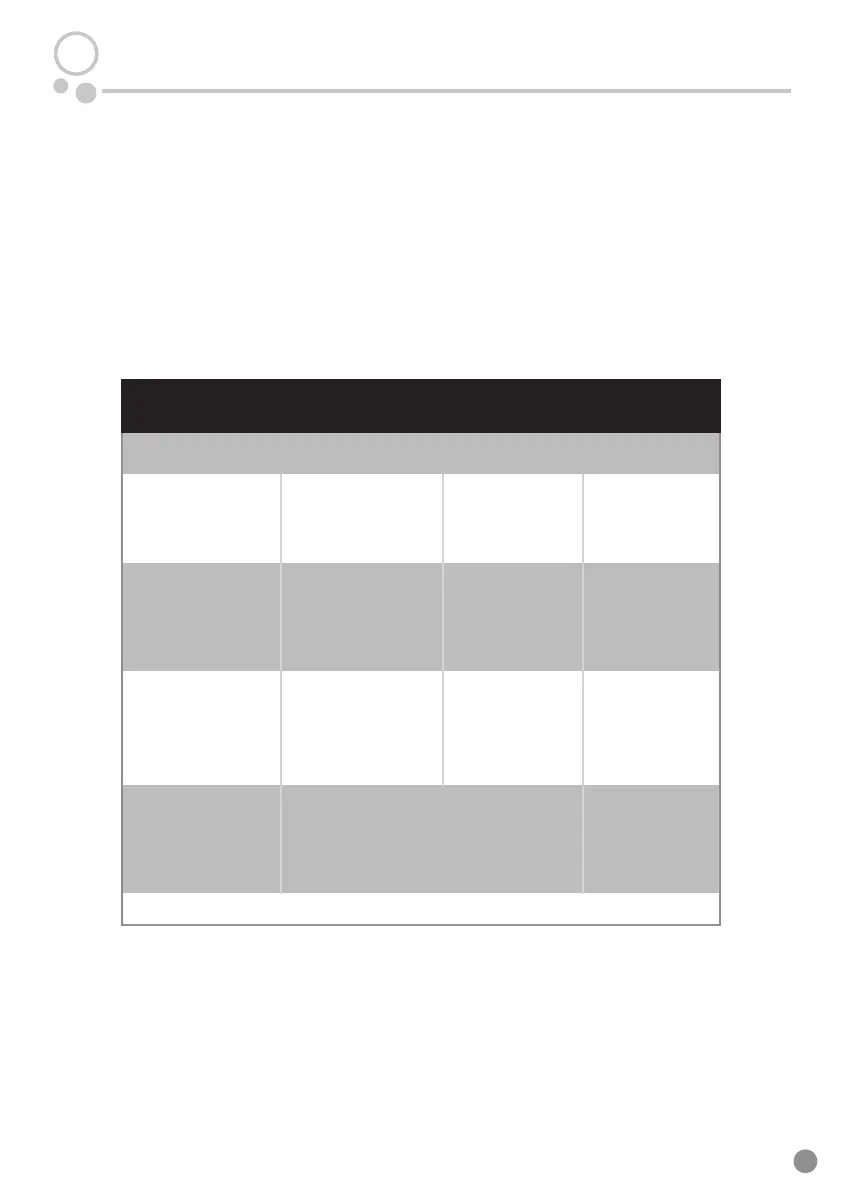
Storage Locations and Temperatures
Type of Breast Milk Countertop
77ºF or colder (25ºC)
(room temperature)
Refrigerator
40ºF (4ºC)
Freezer
0ºF (-18ºC)
Freshly Expressed
or Pumped
Up to 4 hours Up to 4 days Within 6 months
is best
Thawed, Previously
or Pumped
Leftover from
a Feeding
1-2 hours Up to 1 day
(24 hours)
Use within 2 hours after
the baby is nished feeding
Never
refreeze human milk
after it has
been thawed
Up to 12 months
is acceptable
Human Milk Storage Guidelines
(baby did not nish bottle)
Storing & Feeding Breastmilk


 To Next Page