The Dynojet Power Commander III USB (PCIII USB) is an advanced fuel management system designed for the 2008 Ducati 1098R, aimed at optimizing engine performance by allowing precise adjustments to the fuel delivery. This device is part of Dynojet's "RESEARCH" line, indicating its focus on performance tuning and data acquisition. The "CERTIFIED USB" designation highlights its modern connectivity, enabling easy interface with computers for configuration and map loading.
Function Description:
The primary function of the Power Commander III USB is to modify the fuel injection signals sent to the engine's injectors. Unlike simple fuel controllers, the PCIII USB offers highly granular control over the fuel map across various throttle positions and engine RPMs. This allows for fine-tuning to compensate for modifications such as aftermarket exhausts, air filters, or engine internal changes, which often alter the engine's air-fuel ratio from the factory settings. By correcting the air-fuel ratio, the PCIII USB can improve horsepower, torque, throttle response, and overall engine efficiency, while also addressing issues like lean conditions that can lead to engine damage or poor performance. The device intercepts the signals from the bike's ECU to the injectors and modifies them based on a pre-programmed or custom-tuned fuel map.
Important Technical Specifications:
- Connectivity: USB interface for connection to a computer, facilitating map loading, real-time tuning, and data logging (with compatible software).
- Mapping Capability: The PCIII USB for the 2008 Ducati 1098R offers the ability to map four different tables within its software:
- TABLE 1 - front cylinder primary
- TABLE 2 - front cylinder secondary
- TABLE 3 - rear cylinder primary
- TABLE 4 - rear cylinder secondary
This multi-table mapping is crucial for engines with multiple injectors per cylinder (primary and secondary) and for V-twin engines like the Ducati 1098R, which may require different fuel adjustments for each cylinder due to varying operating conditions (e.g., front cylinder often runs cooler than the rear).
- Physical Interface: The device features a "Button Adjustment Display" with physical buttons for "LOW," "MID," and "HIGH" RPM adjustments, along with "- FUEL" and "+ FUEL" buttons. An "RPM" display is also present. This allows for basic, on-the-fly adjustments without needing a computer, though precise tuning is best done via software.
- Expansion Port: An "Expansion Port" is included, suggesting compatibility with additional Dynojet accessories such as quick shifters, auto-tuners, or other data acquisition modules, further enhancing its versatility.
- Power Adapter: The inclusion of a "Power Adapter" in the parts list indicates that the device may require external power for certain operations or initial setup, although it typically draws power from the motorcycle's electrical system once installed.
- Compatibility Note: A critical technical specification for the 2008 Ducati 1098R is highlighted: "Unless you have the Kit ECU you will not be able to make fuel changes below 20% throttle and below 5500rpm with this PCIII." This limitation is significant, as it means that for bikes with the standard ECU, the PCIII USB's tuning capabilities are restricted in the lower RPM and throttle ranges. This is likely due to the stock ECU's closed-loop operation or specific programming in those areas, which the PCIII USB cannot override without a specialized "Kit ECU."
Usage Features:
- Custom Map Loading: Users can download pre-made maps from the Dynojet website (www.powercommander.com) or create custom maps using the Power Commander software. The software allows for detailed adjustments to fuel delivery at specific throttle positions and RPMs.
- On-Device Adjustments: The physical buttons on the PCIII USB allow for minor fuel adjustments (richer or leaner) across low, mid, and high RPM ranges without a computer. This is useful for quick tweaks based on riding conditions or initial setup.
- Easy Installation: The installation process involves connecting the PCIII USB in-line with the stock injector wiring harness and tapping into the Throttle Position Sensor (TPS) wire. The instructions are detailed, with figures illustrating each step, including removal of bodywork, seat, fuel tank, and fairings. The use of supplied zip ties and Velcro® strip ensures a secure and tidy installation.
- Diagnostic Features: While not explicitly detailed, the USB connectivity and software typically allow for monitoring of various engine parameters and troubleshooting.
- Multi-Cylinder/Multi-Injector Control: The ability to map primary and secondary injectors for both front and rear cylinders provides comprehensive control over fuel delivery, essential for optimizing complex engine configurations.
Maintenance Features:
- Durable Construction: The device is designed to be installed on a motorcycle, implying a degree of robustness to withstand vibrations, temperature fluctuations, and environmental exposure.
- Software Updates: Dynojet regularly provides software updates and new maps on their website, allowing users to keep their PCIII USB system current and access new tuning options.
- Simple Disconnection: The in-line installation means the PCIII USB can be relatively easily removed if needed, returning the motorcycle to its stock fuel management configuration.
- Dielectric Grease Recommendation: The instructions recommend using dielectric grease on electrical connections (specifically the TPS wire tap), which helps prevent corrosion and ensures reliable electrical contact, contributing to the longevity and consistent performance of the system.
- Clean Installation: The instructions emphasize securing the harness with zip ties and using an alcohol swab to clean surfaces before attaching the PCIII with Velcro, promoting a clean and stable installation that minimizes potential issues from loose wiring or insecure mounting.
- Pre-Installation Checklist: The "Parts List" and the clear instruction "PLEASE READ ALL DIRECTIONS BEFORE STARTING INSTALLATION" serve as important maintenance and usage features, ensuring users have all necessary components and understand the process to avoid errors. The warning "The ignition MUST be turned OFF before installation!" is a critical safety and maintenance instruction to prevent electrical damage during installation.

 Need help?
 General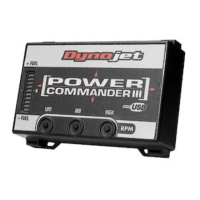

 To Next Page