This document is an instruction booklet for the Electrolux EWF 1090 washing machine.
Function Description
The Electrolux EWF 1090 is a washing machine designed for domestic use, offering various wash programmes and features to ensure effective and gentle cleaning of different fabric types. It incorporates a "New Jet System" for efficient use of water, energy, and detergent. Key features include:
- Special handwash programme: Treats delicate items with extreme care.
- Special wool programme: Designed for woollens with extreme care.
- Automatic cooling of the washing water: Reduces water temperature from 90° to 60°C before draining to prevent deformation of delicate fabrics.
- Balance control device: Ensures machine stability during the spin cycle.
The machine features a detergent dispenser drawer with compartments for pre-wash, main wash, and fabric softener/starch. It has a control panel with a programme selector dial, spin speed button, temperature button, options button, and a delay start button. The display shows information such as programme duration, delay start time, and error codes.
Important Technical Specifications
Dimensions
- Height: 85 cm
- Width: 60 cm
- Depth: 60 cm
Maximum Load
- Cotton: 8 kg
- Synthetics: 3.5 kg
- Delicates: 3.5 kg
- Woollens: 2 kg
- Handwash: 2 kg
- Silk: 1 kg
Spin Speed
Power Supply
- Voltage/Frequency: 220-240V / 50Hz
- Total Power Absorbed: 2200W
- Minimum Fuse Protection: 10A
Water Pressure
- Minimum: 50kPa
- Maximum: 800kPa
The machine is designed to operate on a 220-240 V, single-phase, 50 Hz supply. The maximum total load required is 2.2 kW.
Usage Features
Installation
The washing machine requires proper installation to ensure safe and efficient operation. This includes:
- Unpacking: Removing all transit bolts and packaging materials before use. The machine should be lifted and tilted to remove polystyrene blocks and plastic bags from the base.
- Positioning: Installing the machine on a flat, hard floor, ensuring it does not touch walls or cupboards. Adjustable feet allow for leveling.
- Water inlet: Connecting the water inlet hose to a 3/4" BSP thread tap. Only new hoses should be used.
- Water drainage: The drain hose can be positioned in three ways: hooked over the edge of a sink (minimum 60 cm, maximum 90 cm above ground), in a sink drain pipe branch, or directly into a drain pipe at a height of not less than 60 cm and not more than 90 cm. The drain hose must not be kinked.
- Electrical connection: Connecting the machine to an earthed socket.
Operating Sequence
- Place laundry in the drum: Open the door and load one item at a time, shaking them out as much as possible. Close the door.
- Measure out the detergent: Pull out the dispenser drawer and pour in the recommended amount of detergent and additives.
- Measure out the additive: Pour fabric softener into the compartment marked with a flower symbol, without exceeding the "MAX" mark.
- Switch the machine ON and OFF: Turn the selector dial to the desired programme to switch the appliance on. To switch the appliance off, turn it to "Off".
- Select the desired programme: Turn the selector dial to the desired position. The LED corresponding to the selected programme will illuminate.
- Select the temperature: Press the "Temp." button to increase or decrease the temperature. The relevant LED will light up.
- Select the spin speed or No Spin option: Press the "Spin" button repeatedly to select the desired spin speed or the No Spin option. The relevant LED will light up.
- Select the Delay Start: Press the Delay Start button to set a later time for the programme to begin. The figures corresponding to the selected delay will be displayed for 3 seconds.
- Start the Programme: Press the "Start/Add Clothes" button. The relevant LED will stop flashing, and the LED relevant to the phase in progress will remain lit.
- How to change a programme during its cycle: Turn the programme selector dial to "Off" and then select a new programme.
- How to interrupt a programme during its cycle: Press the "Start/Add Clothes" button to interrupt a programme, which is running, the corresponding LED starts to flash. Press the same button again to restart the programme.
- Cancelling a programme: Turn the selector dial to position "Off" to cancel a programme which is running.
- How to open the door during the cycle of a programme: The door can be opened after having set the washing machine to PAUSE phase, by pressing "Start/Add clothes" button provided the following conditions exist: the washing machine is not in the heating phase beyond 55°C, the level of the water is not high, and the drum is not turning. After approximately 3 minutes, you can open the door.
- End of programme: The washing machine stops automatically at the end of the programme, giving an audible signal. If the No Spin option has been selected, the LED of the "Start/Add clothes" button goes off, the LED and the "End" LED remain lit to indicate that the spin phase is eliminated. To spin the laundry, select the spin speed by means of the relevant button and then press the "Start/Add clothes" button. The laundry is spun at the selected spin speed. Turn the programme selector dial to position «Off» to switch the machine off. Remove the laundry from the washing machine. Check whether the drum is completely empty, by rotating it with your hand. The purpose of this is to prevent any items of laundry from remaining accidentally in the drum, where they might get damaged in a subsequent wash (e.g. by shrinking) or bleed colour into another load of laundry. We advise you to close the water supply tap and disconnect the plug from the socket. Leave the door ajar in order to air the washing machine.
Washing Hints
- Sorting the laundry: Follow wash code symbols on garments. Separate whites, coloureds, synthetics, woollens, and silks.
- Temperatures:
- 90°-95° for normally soiled white cottons and linen (e.g. tea cloths, towels, tablecloths, sheets).
- 50°-60° for normally soiled, colour fast garments (e.g. shirts, night dresses, pyjamas...) in linen, cotton, synthetic fibres and for lightly soiled white cotton (e.g. underwear).
- O (cold) for delicate items (e.g. net curtains), mixed.
- 30°-40° laundry including synthetic fibres and woollens bearing the label "pure new wool, machine washable, non-shrink".
- Before loading the laundry: Never wash whites and coloureds together. Whites may lose their whiteness in the wash. New coloured items may run in the first wash; they should therefore be washed separately the first time. Make sure that no metal objects are left in the laundry (e.g. hair clips, safety pins, pins). Button up pillowcases, close zip fasteners, hooks and poppers. Tie any belts or long tapes. Remove persistent stains before washing. Rub particularly soiled areas with a special detergent or detergent paste. Treat curtains with special care. Remove hooks or tie them up in a bag or net.
- Maximum loads: Recommended loads are indicated in the programme charts.
- Cotton, linen: drum full but not too tightly packed.
- Synthetics: drum no more than half full.
- Delicate fabrics and woollens: drum no more than one third full.
- Washing a maximum load makes the most efficient use of water and energy.
- For heavily soiled laundry, reduce the load size.
- Laundry weights: Provides a table of typical weights for various garments (e.g., bathrobe 1200 g, napkin 100 g).
- Detergents and additives: The choice of detergent depends on the type of fabric, colour, washing temperature, and degree of soiling. Only low suds frontload washer detergent should be used. The detergent and any additives must be placed in the appropriate compartments of the dispenser drawer before starting the wash programme. If using concentrated powder or liquid detergents, a programme without prewash must be selected. The washing machine incorporates a recirculation system which allows an optimal use of the concentrated detergent. Pour liquid detergent just before starting the programme. Any fabric softener or starching additives must be poured into the compartment marked before starting the wash programme.
International Wash Code Symbols
A comprehensive list of international wash care symbols is provided, covering:
- Energetic wash (95°C, 60°C, 40°C, 30°C)
- Delicate wash (60°C, 40°C, 30°C)
- Hand wash
- Do not wash at all
- Bleaching (bleach in cold water, do not bleach)
- Ironing (hot iron max 200°C, warm iron max 150°C, lukewarm iron max 110°C, do not iron)
- Dry cleaning (in all solvents, perchlorethylene, petrol, pure alcohol, R 111 & R 113, do not dry clean)
- Drying (flat, on the line, on clothes hanger, tumble dry high temperature, tumble dry low temperature, do not tumble dry)
Maintenance Features
Bodywork
Clean the outside of the machine with soap and water only. Rinse with clean water and dry with a soft cloth. Do not use methylated spirits, solvents, or similar products.
Door Seal
Check from time to time to remove any objects that are trapped in the rubber fold.
Detergent Dispenser Drawer
After a while, detergents and fabric softeners leave deposits in the drawer. Clean the drawer from time to time by rinsing it under a running tap. To remove the drawer from the machine, press the button in the rear left-hand corner. To facilitate cleaning, the top part of the additive compartments can be removed.
Drain Pump
The pump should be inspected if:
- The machine does not empty and/or spin.
- The machine makes an unusual noise during draining due to objects such as safety pins, coins, etc. blocking the pump.
- Proceed as follows: Disconnect the appliance. If necessary, wait until the water has cooled down. Open the pump door. Place a container close to the pump to collect any spillage. Release the emergency emptying hose, place it in the container and remove its cap. When no more water comes out, unscrew the pump cover and remove the pump. Always keep a rag nearby to dry up spillage of water when removing the pump. Remove any objects from the pump impeller by rotating it. Put the cap back on the emergency emptying hose and place the latter back in its seat. Screw the pump cover fully in. Close the pump door.
Water Inlet Filter
If you notice that the machine is taking longer to fill, check that the filter in the water inlet hose is not blocked. Turn off the water tap. Unscrew the hose from the tap. Clean the filter with a stiff brush. Screw the hose back onto the tap.
Emergency Emptying Out
If the water is not discharged, proceed as follows to empty out the machine:
- Pull out the plug from the power socket.
- Close the water tap.
- If necessary, wait until the water has cooled down.
- Open the pump door.
- Place a bowl on the floor and place the end of the emergency emptying hose into the bowl. Remove its cap. The water should drain by gravity into the bowl. When the bowl is full, put the cap back on the hose. Empty the bowl. Repeat the procedure until water stops flowing out.
- Clean the pump if necessary as previously described.
- Replace the emergency emptying hose in its seat after having plugged it.
- Screw the pump cover again and close the door.
Frost Precautions
If the machine is installed in a place where the temperature could drop below 0°C, proceed as follows:
- Remove the plug from the socket.
- Close the water tap and unscrew the water inlet hose from the tap.
- Place the end of the emergency emptying hose and that of the inlet hose in a bowl placed on the floor and let water drain out.
- Screw the water inlet hose back on and reposition the emergency emptying hose after having put the cap on again.
- By doing this, any water remaining in the machine is removed, avoiding the formation of ice and, consequently, breakage of the affected parts.
- When you use the machine again, make sure that the ambient temperature is above 0°C.
Removing Stains
Stubborn stains may not be removed by just water and detergent. It is therefore advisable to treat them prior to washing.
- Blood: Treat fresh stains with cold water. For dried stains, soak overnight in water with a special detergent then rub in the soap and water.
- Oil based paint: Moisten with benzine stain remover, lay the garment on a soft cloth and dab the stain several times.
- Dried grease stains: moisten with turpentine, lay the garment on a soft surface and dab the stain with the fingertips and a cotton cloth.
- Rust: oxalic acid dissolved in hot water or a rust removing product used cold. Be careful with rust stains which are not recent since the cellulose structure will already have been damaged and the fabric tends to hole.
- Mould stains: treat with bleach, rinse well (whites and fast coloureds only).
- Grass: soap lightly and treat with bleach (whites and fast coloureds only).
- Ballpoint pen and glue: moisten with acetone (*), lay the garment on a soft cloth and dab the stain.
- Lipstick: moisten with acetone as above, then treat stains with methylated spirits. Remove any residual marks from white fabrics with bleach.
- Red wine: soak in water and detergent, rinse and treat with acetic or citric acid, then rinse. Treat any residual marks with bleach.
- Ink: depending on the type of ink, moisten the fabric first with acetone (*), then with acetic acid; treat any residual marks on white fabrics with bleach and then rinse thoroughly.
- Tar stains: first treat with stain remover, methylated spirits or benzine, then rub with detergent paste.
- (*) do not use acetone on artificial silk.

 Need help?
 General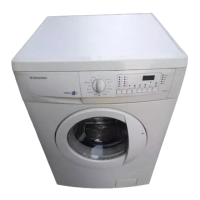


 To Next Page