4.3 DETERMINING UNKNOW PVF
If the cable dielectric / propagation velocity factor is not known, the PVF setting can be determined from using a
known length of the same type of cable or distance
to a
known point in the same cable
a) Measure the apparent distance to end or known point with any PVF value, using the normal
procedure as section 4.2 above
b) Press Menu Select Key to PVF mode
c) Adjust Up-down key until the measured distance is agreed with the known distance
d) The PVF shown will be determined as for this type of cable
5. Type of cable fault
The Fault Locator instruments are suitable for locating a variety of faults and cable
conditions. A selection of these is outlined below:
5.1 SHORT CIRCUITS
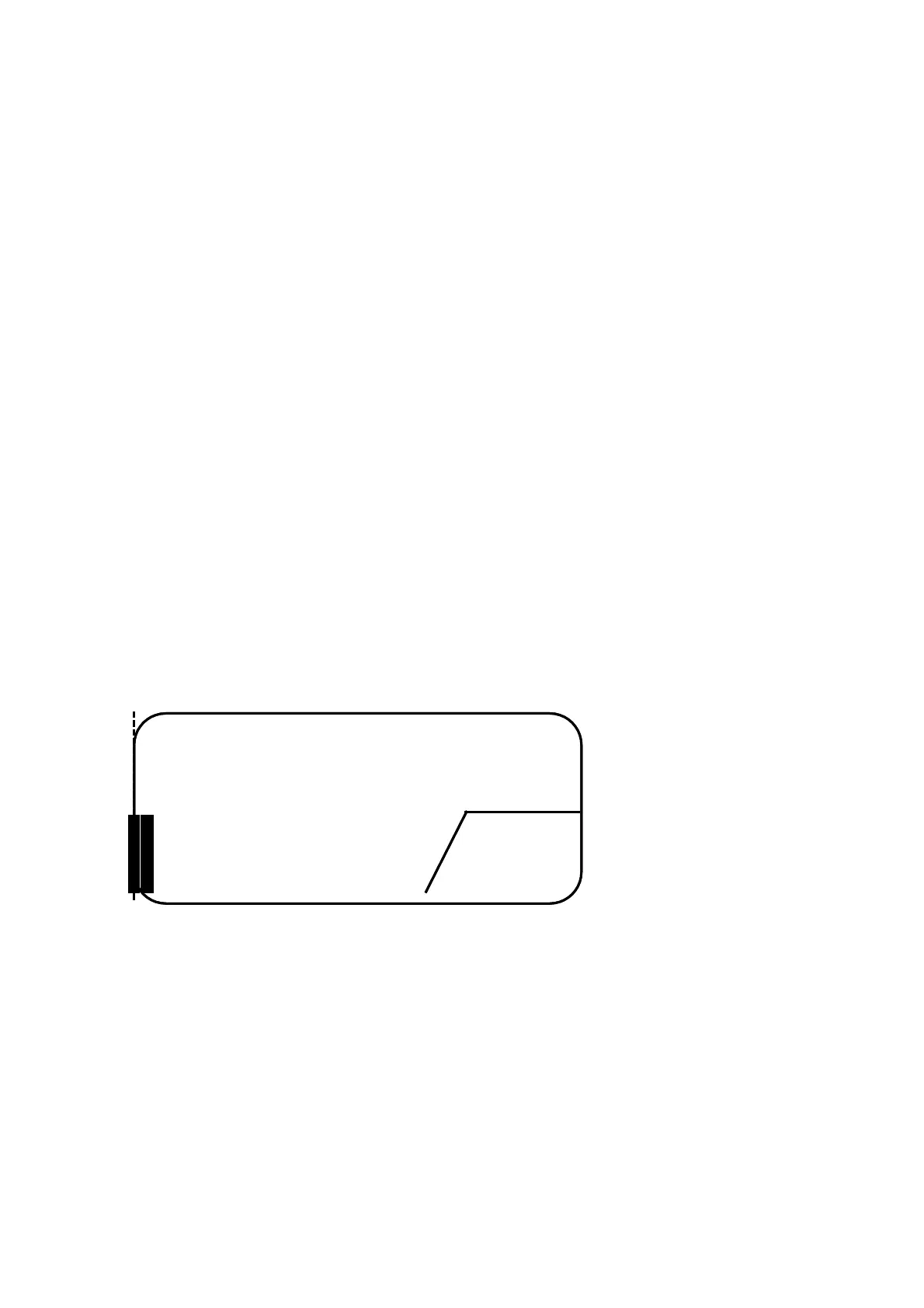
(1) Shorts between two conductors of a cable pair. The reflection has the downward
Polarity pulse, Fig.1
(2) Sheath shorts are caused when a conductor in a cable makes contact with the
metallic sheath of the cable. To locate a sheath short, first disconnecting the
sheath from earth, connect one terminal to the sheath, the other to the conductor.
(3) Crosses occur when conductors in the different pairs are crossed at a junction box. Crosses
produce waveforms similar to shorts, but with reduced amplitude. Crosses can be located with the
tester connected to one pair, but a more distinctive fault pulse is obtained if it is connected to the
crossed conductors.


 To Next Page