EasyManua.ls Logo

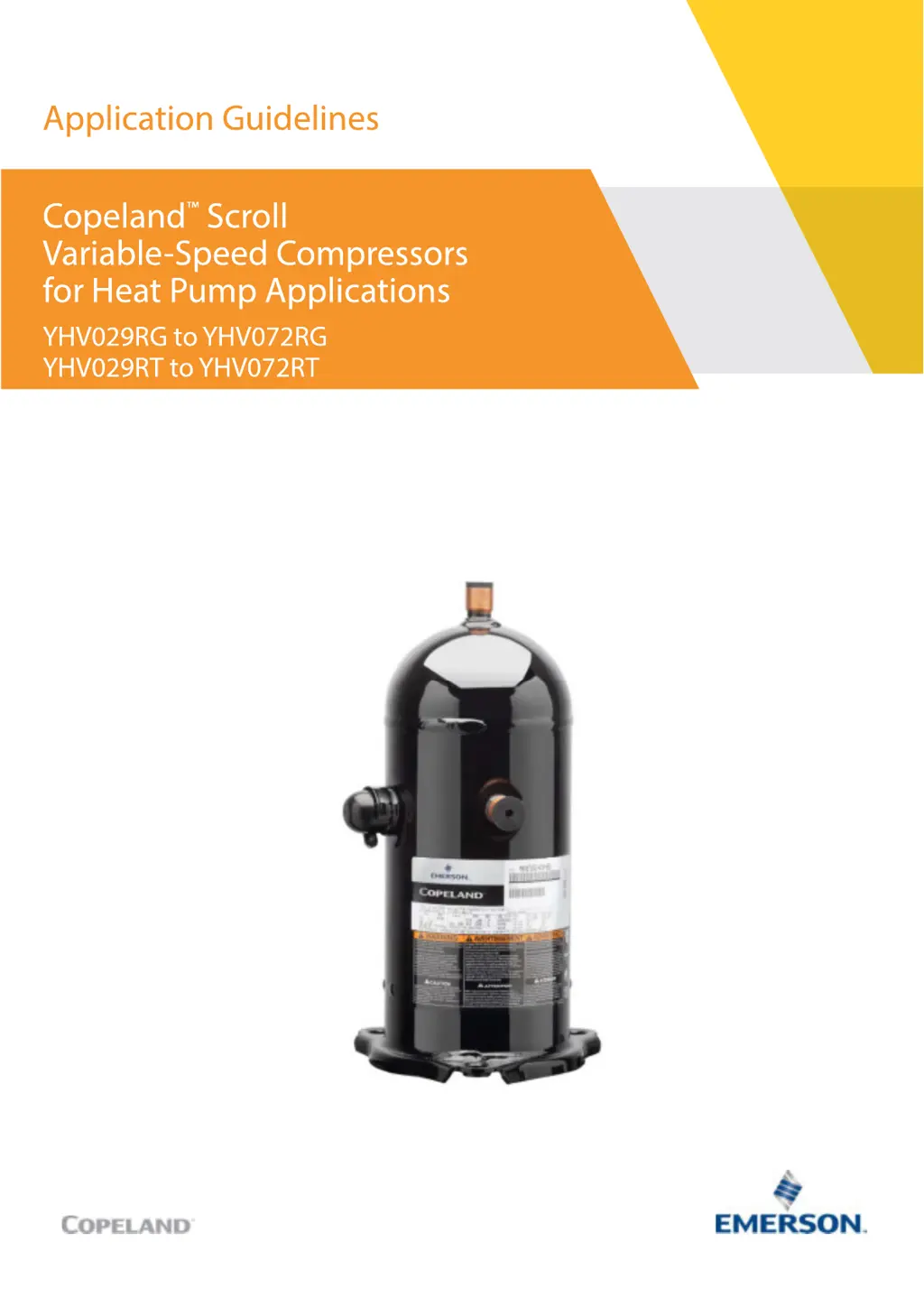
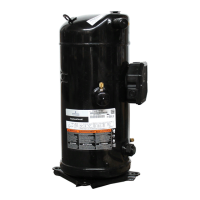
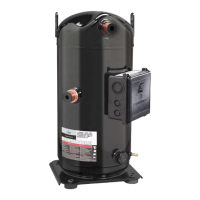
Emerson Copeland YHV029RG - User Manual

Emerson Copeland YHV029RG
48 pages
Print Icon
To Next Page IconTo Next Page
Loading...

Table of Contents

Questions and Answers

  • H
    hessnatalieAug 3, 2025
    What to do if my Emerson Air Compressor does not run and makes no sound?
    • J
      John BoydAug 3, 2025
      If your Emerson Air Compressor isn't running and you hear no buzzing, several issues could be the cause. First, check the fuse for a tripped circuit breaker or a disconnected switch. Also, the system controls or components like pressure control switches and sensors may be defective or in an alarm state, so ensure they are working correctly and resolve any alarms. An unbalanced voltage could also be the reason, so check for that. Finally, burned motor windings may be the issue, especially if the contacts are welded together due to undersized contactors; consult the contactor manufacturer's data sheet for sizing information.
  • C
    Caitlin RitterAug 8, 2025
    Why does my Emerson Air Compressor have high discharge pressure?
    • R
      Robert StewartAug 8, 2025
      High discharge pressure in your Emerson Air Compressor can stem from several factors. System leaks, particularly on the low-pressure side, can allow non-condensable gases to enter, increasing pressure. Also, an undersized discharge line or condenser can restrict flow and raise pressure; verify that these components are correctly sized and replace if needed. Accumulated dirt in the condenser can also impede airflow, so clean the condenser if it's dirty. Finally, an overcharged system or high ambient temperature around the condenser can contribute to high discharge pressure.
  • A
    aaronrobbinsAug 11, 2025
    Why does my Emerson Copeland YHV029RG Air Compressor run continuously?
    • H
      Heather KimAug 12, 2025
      If your Emerson Air Compressor runs continuously, it may be due to inadequate insulation or design. Check the load design and ensure proper insulation is applied. Also, the control circuit may be inoperative. Check the controls, measure the temperature and pressure, compare with the controls, and replace or recalibrate the controls, if necessary.
  • A
    Andrew CampbellAug 16, 2025
    What causes high suction pressure in my Emerson Copeland YHV029RG Air Compressor?
    • T
      Theresa KelleyAug 16, 2025
      High suction pressure in your Emerson Air Compressor may be due to excessive pressure drop in the liquid line or too much vertical lift on the pipework; check the evaporator superheat first to diagnose. Alternatively, an oversized expansion valve or incorrect bulb sensor mounting can cause low superheat at the evaporator outlet. The valve may freeze up if debris accumulates. For systems with very short refrigeration lines, consider installing a suction line accumulator.
  • T
    Tracey WilliamsAug 20, 2025
    How to prevent oil traps in my Emerson Air Compressor due to incorrect piping?
    • R
      Rick RhodesAug 20, 2025
      Check the piping layout design of your Emerson Air Compressor. Installations of pipe being routed over or around obstacles can inadvertently create unwanted traps for the oil return. Also, make sure the line is correctly sized.
  • F
    fischerlisaAug 25, 2025
    What to do if my Emerson Copeland YHV029RG Air Compressor has a refrigerant undercharge?
    • R
      Rachel Simmons PhDAug 25, 2025
      Refrigerant undercharge in your Emerson Air Compressor can be addressed by fitting a fan cycling control system. Check the system for leaks. Observe the sight glass for bubbles if fitted, and add refrigerant until the sight glass is clear.
  • F
    Felicia SmithAug 28, 2025
    Why is my Emerson Air Compressor making noise during shut-off?
    • K
      Kevin FreemanAug 29, 2025
      The noise during shut-off in your Emerson Air Compressor is caused by the anti-reverse device. This does not have any effect on the durability of the compressor, so no action is necessary.

Summary

Safety Instructions

Icon Explanation

Explains warning symbols used in the document for safety purposes.

Safety Statements

Critical safety statements regarding compressor and system operation and installation.

General Instructions

General safety warnings and procedural advice for working with refrigeration systems.

Product Description

Product Range

Overview of YHV*RG and YHV*RT variable-speed scroll compressor models.

Matched Pairs of Compressor and Drive

Details on compressor and drive combinations for optimal performance.

Variable Speed Advantages

Benefits of variable-speed compressors in heat pump applications.

Compressor Nomenclature

Explanation of the model designation system for compressors.

BOM Variations

Information on different Bill of Material (BOM) versions for compressor models.

Application Considerations

Qualified Refrigerants and Oils

Specifies approved refrigerants and oils for YHV*RG/RT compressors.

Application Limits - Operating Envelopes

Defines operational boundaries for compressors based on temperature and pressure.

PED Category & Maximum Allowable Pressure PS

Details Pressure Equipment Directive (PED) categories and maximum pressures.

Admissible Ambient Temperature and Humidity Ranges

Specifies acceptable ambient conditions for storage and operation.

Compressor Design

Compressor Features

Highlights key design elements enhancing compressor efficiency and reliability.

Compressor Dimensions

Provides external dimensional drawings and specifications for the compressors.

Installation

Compressor and Drive Handling

Instructions for safe transport, storage, and positioning of compressors and drives.

Mounting Parts

Information on vibration absorber grommets and mounting hardware.

Brazing Procedure

Step-by-step guide for brazing system connections, including safety.

Pressure Safety Controls

High-Pressure Protection

Requirements and installation of high-pressure safety controls.

Low Pressure Protection

Recommendations for low-pressure protection to prevent envelope operation issues.

System Protection

System Protection for Operation Below Atmospheric Pressure

Safety precautions for operating systems below atmospheric pressure.

Crankcase Heating Function

Details on the integrated crankcase heating feature of the drives.

Discharge Gas Temperature Protection

Importance and implementation of discharge gas temperature protection.

Electrical Connection

General Recommendations

General safety and wiring advice for electrical connections.

Electrical Installation

Guidance on wiring diagrams and electrical installation practices.

Terminal Connections

Specific instructions for connecting power leads and ground wires.

Terminal Box - IP21

Details on the standard IP21 terminal box and its installation.

Motor Windings

Information on the three-phase brushless permanent magnet motor.

Motor Insulation

Specification of motor insulation class and standards.

Protection Devices

Guidance on selecting and installing protective devices like fuses.

High-Potential Testing

Precautions and procedures for high-potential testing of the motor.

Start-up & Operation

Strength-Pressure Test

Procedures for system strength-pressure testing before operation.

Compressor Tightness Test

Instructions for leak-pressure testing of the compressor.

System Evacuation

Steps for properly evacuating the system using a vacuum pump.

Preliminary Checks - Pre-starting

Essential checks to perform before the initial start-up of the system.

Charging Procedure

Guidelines for safely charging the system with refrigerant.

Run-in Time

Recommended duration for compressor run-in to achieve optimal performance.

Initial Start-up

Critical steps and warnings for the first start-up of the compressor.

Rotation Direction

How to verify and ensure correct compressor rotation direction.

Start-and-Stop Routine

Explanation of the drive's soft start and controlled stop routine.

Start-up and Shut-off Sound

Information on normal sounds during start-up and shut-off.

Deep Vacuum Operation

Warnings and limitations regarding deep vacuum operation.

Shell Temperature

Considerations for compressor shell and discharge line temperatures.

Pumpdown Cycle

Use of pumpdown cycles for refrigerant migration control.

Minimum Run Time

Importance of minimum run time for oil return and compressor longevity.

Oil Level

How oil level and return are managed in the system.

Maintenance & Repair

Qualification of Workers

Requirements for personnel performing maintenance and repair work.

Preparation and Work Procedure

Steps for preparing and executing maintenance procedures safely.

Exchanging the Refrigerant

Procedures for safely handling and exchanging refrigerants.

Disassembling System Components

Steps for safely disassembling system components.

Replacing a Compressor

Detailed instructions and precautions for replacing a compressor.

Compressor Replacement

Specific steps for replacing compressors, including oil management.

Start-up of a New or Replacement Compressor

Procedures for starting up a newly installed or replaced compressor.

Compressor Return Procedure

Guidelines for returning compressors for analysis or repair.

Lubrication and Oil Removal

Procedures for handling lubrication and removing oil from the system.

Oil Additives

Emerson's stance on using oil additives for compressors.

Troubleshooting

Common Compressor Problems

Identifies common issues like no run, buzz sound, trips, or continuous running.

Dismantling & Disposal

Removing Oil and Refrigerant

Procedures for environmentally responsible removal and disposal of oil and refrigerant.

References

Performance and Technical Data

Links to Copeland Select software for performance and technical data.

Spare Parts and Accessories

Information on accessing Emerson's spare parts and accessories software.

Appendix 1: Tightening Torques

Emerson Copeland YHV029RG Specifications

General IconGeneral
BrandEmerson
ModelCopeland YHV029RG
CategoryAir Compressor
LanguageEnglish

Related product manuals