
 Need help?
Do you have a question about the Evenflo LiteMax Sport and is the answer not in the manual?
Describes how to adjust harness straps and select appropriate slots for child size.
Explains how to route the buckle strap through slots for proper fit.
Details on adjusting the recline angle of the car seat base for proper fit.
Instructions for routing vehicle belts with and without the base.
Guidance for properly installing the child restraint using the LATCH system.
Proper handle positions for carrying, travel, and stand modes.
Other important considerations for installing the child restraint.
Information on compliance with U.S. and Canadian safety standards.
Explanation of the meaning of symbols used throughout the manual.
Overall requirements for child fit and age for using the restraint.
Specific limits and guidelines for rear-facing orientation.
Specific guidance and precautions for preterm infants.
Warnings about continuous use, sleeping, and unattended children.
Importance of following all installation instructions.
Mandatory rear-facing orientation for child safety.
Importance of proper infant recline for breathing and safety.
Warnings against leaving child unattended and using unapproved accessories.
Prohibition of using damaged or previously crashed restraints.
Critical warning about the danger of airbags to rear-facing children.
Guidance for installing the restraint in vehicles with side airbags.
Importance of reading vehicle and restraint manuals for installation.
Emphasis on the safety benefits of rear seating positions.
Minimum space requirements and allowed vehicle seat types.
Ensuring the seat belt locks and checking restraint stability.
Warnings against loosening belts for leg room and using door-mounted belts.
Explanation of LATCH and basic usage rules.
Specific rules and cautions for LATCH installation.
Prohibition of using LATCH and seat belts simultaneously.
Importance of harness snugness and checking surfaces.
Checking surfaces for heat and avoiding bulky clothing.
Correct handle positions for travel and stand modes.
Risks of placing restraint on soft surfaces or edges.
Ensuring all passengers are buckled; not attending child while driving.
Risks from objects like lollipops and feeding infants.
Impact of clothing on harness fit and storing loose items.
Instructions for registering the restraint and obtaining recall information.
Instructions for registering and obtaining recall information for Canadian customers.
Approved vehicle types and systems for restraint use.
Guidance for installing and using the restraint during air travel.
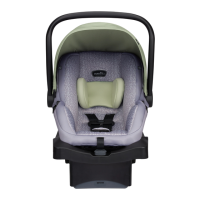
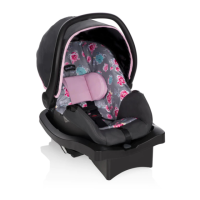
Identification of child seat components from the front view.
Identification of child seat components from the back view.
Identification of the sport base components.
Instructions on how to change the handle to different positions.
Weight and height requirements for using the sport base.
Steps for securely installing the sport base using LATCH or seat belt.
Steps for securing the child correctly within the carrier.
Checks to ensure proper and secure installation.
General warnings and precautions for using the LATCH system.
Step-by-step guide for connecting and engaging LATCH lower anchors.
Instructions on how to adjust and use the leveling foot.
Using the recline indicator to ensure proper angle.
General instructions for routing the vehicle seat belt.
Specific steps for installing with a lap/shoulder belt.
Specific steps for installing with a lap belt only.
Verifying the tightness of the installed seat belt.
Steps for placing and locking the carrier onto the base.
Correct handle positions for U.S. and Canadian models during attachment.
Step-by-step instructions to release the carrier from the base.
Ensuring correct rear-facing orientation when not using the base.
How to route the vehicle belt through the carrier without the base.
Verifying the tightness of the carrier installation without the base.
Guidance on when a locking clip is necessary for vehicle belt systems.
Placing the child correctly and ensuring proper harness fit.
Instructions for fastening the buckle and ensuring crotch strap fit.
Checking harness snugness and positioning the chest clip.
Step-by-step instructions to unbuckle and remove the child.
How to move harness straps to different slots for child growth.
Using top loops for newborns and bottom loops for infants.
Specific position for newborns weighing up to 8 lbs.
Using the middle and front slots for crotch strap positioning.
Detailed steps for moving the crotch strap anchor to a new slot.
Chart for selecting waist strap slots based on child size.
Detailed steps for repositioning the waist straps.
Visual guides for placing waist straps for small, medium, and large babies.
Steps for safely removing the LATCH connectors.
How to securely store LATCH connectors when not in use.
How to use the carrier for transporting a child.
How to use the carrier as a stand on a level surface.
Important safety warnings for using the infant carrier.
Guidance from the FAA for securing children during air travel.
Step-by-step instructions for installing the restraint in an aircraft seat.
Instructions on how to correctly attach the canopy to the restraint.
Proper use of pillows for support and infant breathing safety.
Detailed steps for removing the child restraint seat pad.
Specific instructions for detaching the seat pad clips.
Information on how to order replacement parts for the restraint.
Specific advice for cleaning various parts of the restraint.
Instructions for safely washing the seat pad.
Guidelines for responsible disposal and recycling of the restraint.
Recommended location for storing the user manual.
Details of the product's limited warranty coverage and terms.
 General
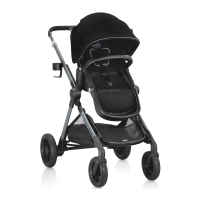
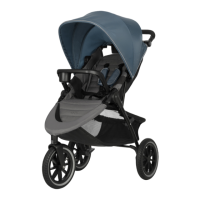
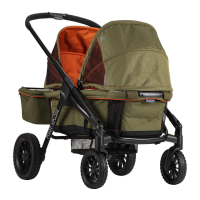
| Stroller Weight Capacity | 50 lbs |
|---|---|
| Weight | 17 lbs |
| Seat Recline | Multiple positions |
| Brakes | Rear wheel brakes |
| Harness | 5-point |


 To Next Page