I thought long and hard about how best to organize this discussion. The sanders are
the machines which move the abrasive in a defined manner. The abrasives themselves
do all the cutting and shaping. However, in the process of cutting and shaping they also
produce a great deal of dust which can be quite harmful for the operator.
Festool wisely developed these three systems to work together: the sander, the abra-
sives and the dust collection components. Used together these not only make the
sanders more efficient and productive for the user but also greatly reduce the danger-
ous airborne particulate matter, making the work far safer and healthier and the tools
more pleasant to use day in and day out.
Finally, to make matters a bit more potentially confusing, as we come to understand
these different systems, there are at least three major standards by which the “grit” on
the sanding media are measured. So what is called 1000 grit by one standard is called
800 by another and 500 by still another “standard!”
All of these are important to getting the most from Festool sanders so I decided to or-
ganize this manual by first talking about the differences between the three grit “stan-
dards,” then talking about the dust collection systems and how they work together with
the sanders, then talking about the differences between the several different kinds of grit
media supplied by Festool, and then, finally, talking about the sanders themselves.
So, let’s go......

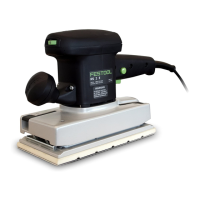
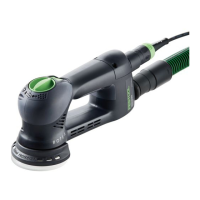
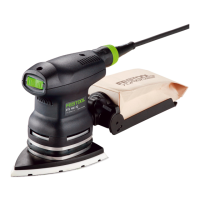

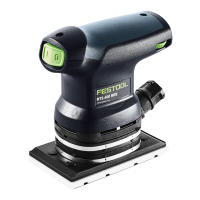

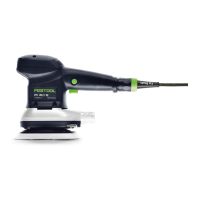
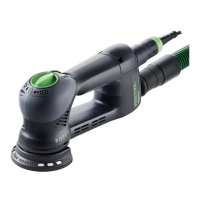


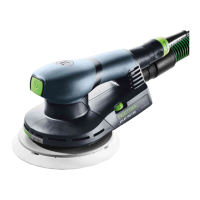
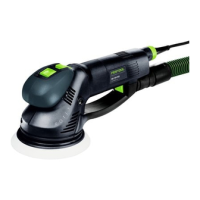

 To Next Page