1
IMPORTANT! PLEASE READ CAREFULLY AND SAVE.
This unit was shipped with a user’s manual that contains important
information about its operation. If you ar
e installing this unit for use by others,
you must leave this manual—or a copy of it—with the end user
.
TABLE OF CONTENTS
Basic Safety Infor
mation . . . . . . . . . . . . . . . . . . . . . . . . . . . . . . . . . . . . . . . . .1
Installation . . . . . . . . . . . . . . . . . . . . . . . . . . . . . . . . . . . . . . . . . . . . . . . . . . .1-2
Where To Install This Alarm . . . . . . . . . . . . . . . . . . . . . . . . . . . . . . . . . . . . .1
Where This Alarm Should Not Be Installed . . . . . . . . . . . . . . . . . . . . . . . . .2
Before You Begin Installation . . . . . . . . . . . . . . . . . . . . . . . . . . . . . . . . . . . .2
How To Install This CO Alarm . . . . . . . . . . . . . . . . . . . . . . . . . . . . . . . . . . .2
How Your Alarm Works . . . . . . . . . . . . . . . . . . . . . . . . . . . . . . . . . . . . . . . . . .3
If Your CO Alarm Sounds . . . . . . . . . . . . . . . . . . . . . . . . . . . . . . . . . . . . . . . .3
What To Do if CO is Detected . . . . . . . . . . . . . . . . . . . . . . . . . . . . . . . . . . .3
Using the Silence Feature . . . . . . . . . . . . . . . . . . . . . . . . . . . . . . . . . . . . . .3
Using the Remote Control Test/Silence Feature . . . . . . . . . . . . . . . . . . . . .3
Using the Peak CO Memory . . . . . . . . . . . . . . . . . . . . . . . . . . . . . . . . . . . .3
Understanding the Light, Horn, and Display Patterns . . . . . . . . . . . . . . . . .4
Weekly Testing . . . . . . . . . . . . . . . . . . . . . . . . . . . . . . . . . . . . . . . . . . . . . . . . .5
Regular Maintenance . . . . . . . . . . . . . . . . . . . . . . . . . . . . . . . . . . . . . . . . . . . .5
What You Need To Know About CO . . . . . . . . . . . . . . . . . . . . . . . . . . . . . .5-6
What is CO? . . . . . . . . . . . . . . . . . . . . . . . . . . . . . . . . . . . . . . . . . . . . . . . . .5
Symptoms of CO Poisoning . . . . . . . . . . . . . . . . . . . . . . . . . . . . . . . . . . . .5
Finding the Sour
ce of CO After an Alarm . . . . . . . . . . . . . . . . . . . . . . . . . .5
Potential Sources of CO in the Home . . . . . . . . . . . . . . . . . . . . . . . . . . . . .5
How Can I Protect My Family From CO Poisoning? . . . . . . . . . . . . . . . . .6
Regulatory Information For CO Alarms . . . . . . . . . . . . . . . . . . . . . . . . . . . . .6
General Limitations Of CO Alar
ms
. . . . . . . . . . . . . . . . . . . . . . . . . . . . . . . . .
6
T
r
oubleshooting Guide
. . . . . . . . . . . . . . . . . . . . . . . . . . . . . . . . . . . . . . . . . .
7
Limited Warranty . . . . . . . . . . . . . . . . . . . . . . . . . . . . . . . . . . . . . . . . . . . . . . .7
© 2006 BRK Brands, Inc., a Subsidiary of Jarden Corporation
All rights r
eserved.
BRK Brands, Inc., 3901 Liberty Street Road, Aurora, IL 60504-8122
Consumer Affairs: (800) 323-9005 • www.firstalert.com
BASIC SAFETY INFORMA
TION
• Dangers, Warnings, and Cautions alert you to important operating
instr
uctions or to potentially hazardous situations. Pay special
attention to these items.
•
The CO Alarm is not designed to detect fire or any other gas. It will
only indicate the pr
esence of carbon monoxide gas at the sensor.
Carbon monoxide gas may be present in other areas.
• Do not stand too close to the unit when the alarm is sounding. It is
loud to wake you in an emer
gency. Exposure to the horn at close
range may har
m your hearing.
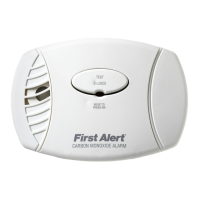
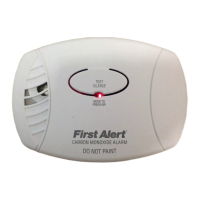
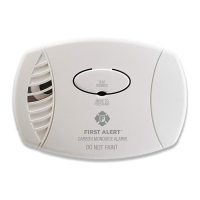
• Do not paint over the unit. Paint may clog the openings to the sensing
chambers and prevent the unit from operating properly.
• This unit must be powered by a 24-hour circuit. Be sure the circuit
cannot be turned off by a switch, dimmer, or ground fault circuit
inter
rupter. Failure to connect this unit to a 24-hour circuit may
prevent it from providing constant protection.
• This Alarm must have AC or battery power to operate. If AC power
fails and the battery is dead or missing, the alarm cannot operate.
•
Test the Alarm once a week. If the Alarm ever fails to test correctly,
have it r
eplaced immediately! If the Alarm is not working properly, it
cannot alert you to a problem.
• This Carbon Monoxide Alarm is intended for residential use and is
not suitable for use in hazar
dous locations as defined in the National
Electrical Code.
•
This product is intended for use in ordinary indoor locations of family
living units. It is not designed to measure CO levels in compliance with
Occupational Safety and Health Administration (OSHA) commercial or
industrial standar
ds. Individuals with medical conditions that may
make them more sensitive to carbon monoxide may consider using
warning devices which provide audible and visual signals for carbon
monoxide concentrations under 30 ppm. For additional infor
mation on
carbon monoxide and your medical condition contact your physician.
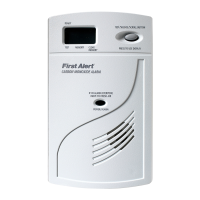
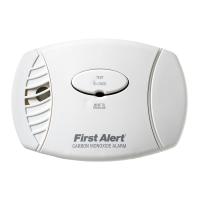
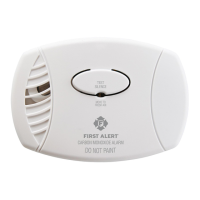
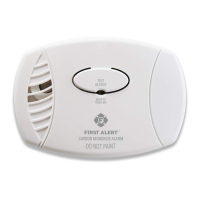
PLUG-IN CARBON MONOXIDE ALARM
WITH BATTERY BACK-UP AND SILENCE
FEATURES
USER’S MANUAL
Printed in Mexico
M08-0150-001 Q 10/06
Model CO615
INSTALLATION
WHERE TO INSTALL THIS ALARM
The National Fire Protection Association (NFPA) recommends that a CO Alarm
should be centrally located outside of each separate sleeping area in the
immediate vicinity of the bedrooms. For added protection, install additional
CO Alarms in each separate bedroom, and on every level of your home.
In general, install Carbon Monoxide Alarms:
• WHERE YOU CAN HEAR THE ALARM FROM ALL SLEEPING AREAS
• In or near bedrooms and living areas or wherever you suspect a CO
exposure is likely.
• On each level of a multi-level home.
Improper location can affect the sensitive electronic components in this Alarm.
Please see “Where this Alarm Should Not Be Installed”.
Recommended Placement
GARAGE
SUGGESTED AREAS FOR INSTALLING ADDITIONAL CO ALARMS
BEDROOM
BEDROOM
HALL
LIVING ROOM
KITCHEN
BASEMENT
BEDROOM
REQUIRED TO MEET NFPA RECOMMENDATIONS
120V
AC
~ 60Hz, 0.09 A
NOTE: For any location, make sure no door or other obstruction could keep
carbon monoxide from reaching the Alarm.

 Need help?
 General

 To Next Page