•
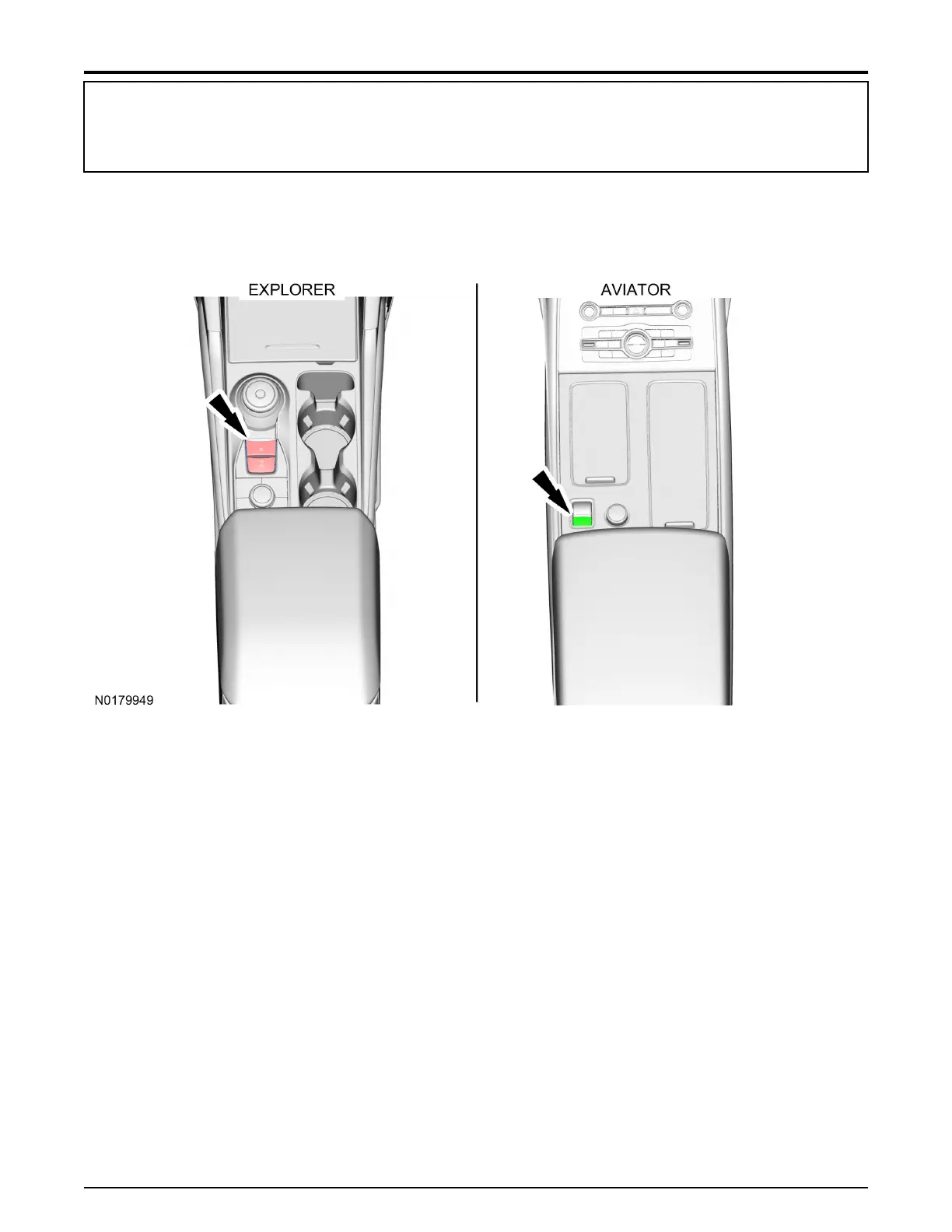
Secure the vehicle: Ensure the vehicle transmission gear selector is in the PARK position. Check that the vehicle ready light is off to
verify the High Voltage system is disconnected. If the vehicle ready light is on, press the Start button to turn off the ignition.
•
If necessary, apply the parking brake and/or block the wheels to prevent vehicle movement.
• Attempt to remove the High Voltage Charge Cord if connected to the vehicle. If the plug will not release please refer to High Voltage
Charge Cord Lock Manual Release, in Section 3 of this guide.
• Disconnect the 12 volt battery terminals to isolate the HV system. For additional information, refer to High Voltage System Depower
procedures in this manual.
• If the vehicle is on fire, use a Class ABC powder-type extinguisher to contain and smother the flames. If water is being used, LARGE
amounts of water is required to extinguish the flames. A fire-hydrant or dedicated fire hose can supply the needed amount. Water can
cause some degree of arcing/shorting across the cell and/or battery terminals; it can also react with the electrolyte from the cells to
generate additional combustible gas and other byproducts such as hydrofluoric acid. However, the cooling and smothering effects of
flushing the affected article with large amounts of water and/or other fire suppression material is still beneficial for minimizing the severity
of the event.
• If the vehicle has any exposed cables, wear High Voltage rubber gloves and other appropriate PPE. Do not touch any broken or
damaged High Voltage orange cables. Treat severed cables as if they contain High Voltage.
• If the vehicle is submerged in water, varying degrees of arcing/shorting within the battery will take place. Do not touch any High Voltage
components or orange cables while removing the occupant(s). Do not remove the vehicle until you are sure the High Voltage battery is
completely discharged. A submerged High Voltage battery may produce a fizzing or bubbling reaction to the water. If fizzing or bubbling
is observed, the High Voltage battery will be discharged when the fizzing or bubbling has completely stopped. the battery should still be
treated as if it is not discharged.
High Voltage System - Do Not Cut Zones
•
If possible, depower the High Voltage system before attempting any removal procedure. Always assume the High Voltage cabling and
components are powered up.
•
If occupant removal is necessary, always use caution when cutting near the vehicle High Voltage system components. Do not cut any of
the High Voltage under vehicle or under hood cabling (all High Voltage cabling is orange). High voltage cabling runs underneath the
vehicle, from the High Voltage batteries under the left hand side of the vehicle to the underhood compartments. The vehicle charge port
is located on the left front fender. Refer to the diagram below for the no cut zones. See Section 1 for illustrations.
If The High Voltage Battery Case Has Been Ruptured
Just like any other battery, hose down the area with LARGE
amounts of water.
Approaching a Damaged Electric Vehicle 5-3
Section 5: Approaching a Damaged Electric Vehicle
2020 Explorer / Aviator Hybrid Vehicle Emergency Response Guide - 04/2019















 To Next Page