EasyManua.ls Logo

GE H301 Series - User Manual

GE H301 Series
137 pages
Print Icon
To Next Page IconTo Next Page
Loading...
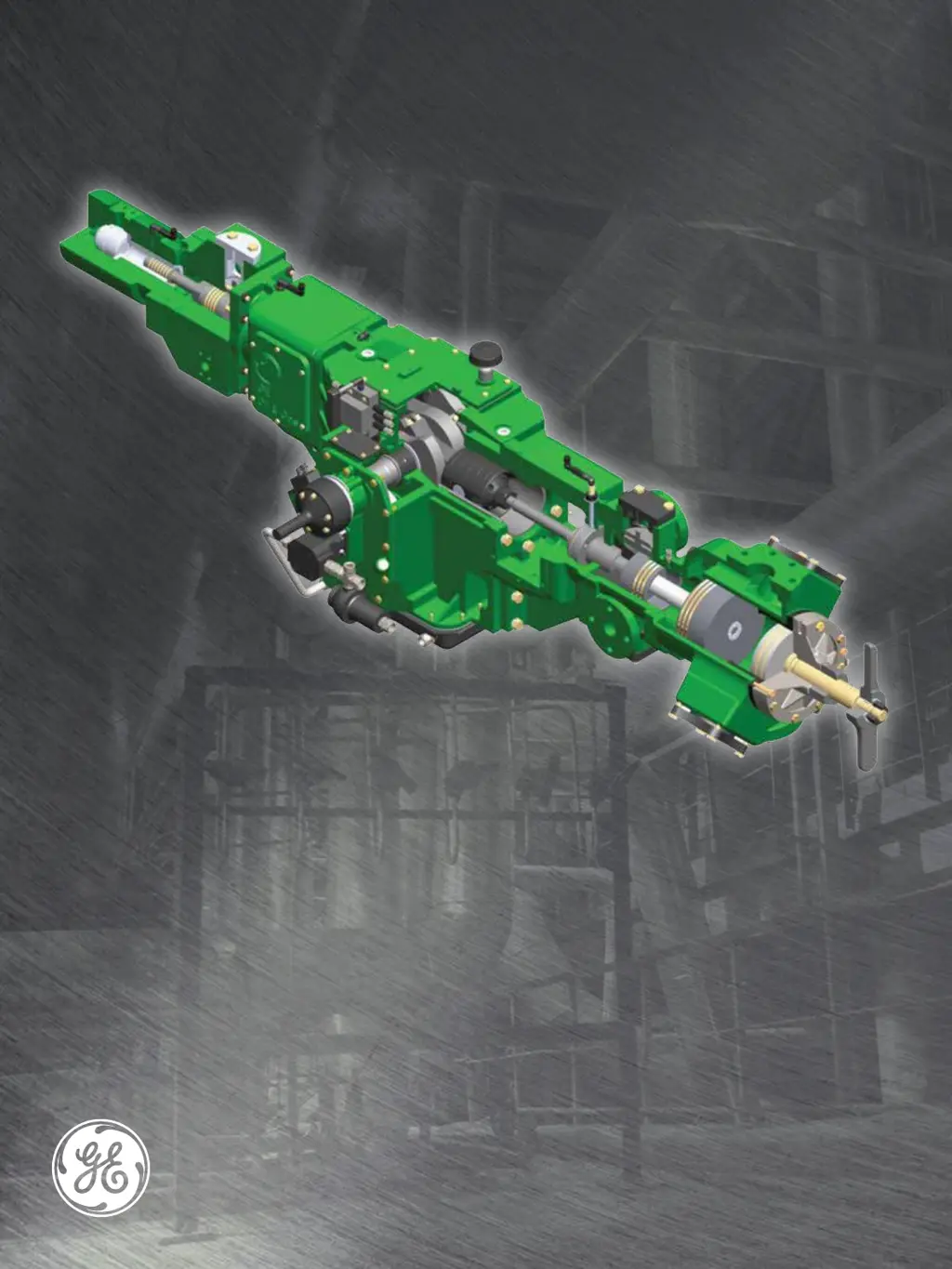
High speed reciprocating compressors
H301 and 302 series operating manual
GE Oil & Gas

Table of Contents

Questions and Answers

  • N
    nealamandaAug 5, 2025
    Why is the discharge gas temperature high in my GE H301 Air Compressor?
    • N
      nicholasgarciaAug 5, 2025
      High discharge gas temperature in your GE Air Compressor can stem from several causes. It could be due to excessive compression ratio because of leaking suction valves or piston rings. Other potential causes include high cylinder suction gas temperature, reduced cylinder suction pressure, leaking discharge valves or piston rings, fouled intercooler piping, improper lube oil, or a change in cylinder mode of operation. To resolve this, inspect and repair any leaking suction valves or piston rings, reduce the cylinder suction gas temperature, remove any restrictions affecting cylinder suction pressure, replace leaking discharge valves or piston rings, clean the intercooler piping, select appropriate lube oil and adjust the rate, and adjust the operation mode as required.
  • A
    Austin PottsAug 10, 2025
    What to do if there is excessive packing leakage in my GE H301?
    • H
      hwalkerAug 11, 2025
      If your GE Air Compressor has excessive packing leakage, it could be due to several reasons: worn packing rings, loose packing case bolts, incorrectly assembled/installed packing rings, improper lube oil selection, contaminants affecting packing rings, the packing not being properly seated, new packing installed on a worn rod or damaged packing case, improper packing ring clearance, or oil dilution from liquid carryover. You should replace worn packing rings, tighten packing case bolts, reassemble or reinstall packing rings correctly, select appropriate lube oil and adjust the lube rate, remove contaminants, ensure packing is properly seated, replace the worn rod or damaged packing case, adjust packing ring clearance and rectify liquid carryover issues.
  • C
    Cheryl LiuAug 22, 2025
    Why is there low oil supply pressure in my GE Air Compressor?
    • J
      jennifer29Aug 22, 2025
      A low oil supply pressure in your GE Air Compressor can arise from several causes. These include a low oil level, oil pump failure, oil pulsations from excessively cold oil, an improperly adjusted oil pressure regulating valve, a dirty or collapsed oil filter element, a defective pressure gauge, oil foaming due to a high oil level, internal running gear leakage, or mechanical defects in the compressor frame. To resolve this, fill the oil to the correct level, repair or replace the oil pump, allow the oil to warm up to operating temperature, adjust the oil pressure regulating valve, replace the oil filter element, replace the defective pressure gauge, reduce the oil level, inspect and repair internal running gear, and inspect and repair any mechanical defects.
  • E
    Elizabeth Day DDSAug 28, 2025
    What to do if my GE Air Compressor compressor will not rotate?
    • E
      Erica ArnoldAug 28, 2025
      If the compressor on your GE Air Compressor will not rotate, it could be due to cylinders gas pressure load, improper piston end clearance, foreign material in the cylinder, or a mechanical seizure in the running gear. To resolve this, remove excess gas pressure from cylinders, adjust piston end clearance, remove any foreign materials from the cylinder, and inspect and repair mechanical components.
  • N
    Noah Davis IIINov 15, 2025
    How to fix cylinder noise or knock in GE Air Compressor?
    • J
      Jackie PerezNov 15, 2025
      If your GE Air Compressor exhibits cylinder noise or knock, several factors could be responsible. These include a piston loose on the rod, improper piston end clearance, a loose crosshead balance weight, a damaged crosshead or excessive clearance, loose crosshead pin or pin caps, a loose packing case or false head, broken or leaking valves, worn or damaged piston rings, a valve improperly seated or a damaged seat gasket, a loose VVCP Jam Nut, or a loose or broken VVCP piston. To address this, tighten the piston on the rod, adjust the piston end clearance, tighten the crosshead balance weight, replace or repair the crosshead, tighten the crosshead pin or pin caps, tighten the packing case or false head, replace or repair broken or leaking valves, replace worn or damaged piston rings, reseat...

Summary

Getting Started with HSR Compressors

Customer Service

Contact information for parts, technical support, and service requests.

Documentation Access and Types

Accessing compressor bulletins, manuals, and parts books via website.

Provide Documentation Feedback

Instructions on how to submit feedback for the documentation.

Chapter 1: Getting Started - Parts and Safety

Parts Information

Details on ordering parts and contact information for assistance.

Safety Advisories and Types

Important safety precautions and explanation of advisory types (Notice, Caution, Warning, Danger).

Safety Symbols Explained

Visual representation and meaning of various safety symbols used.

Technical Support and Warranty Information

Contact for technical help, training schedules, and warranty conditions.

Chapter 2: Introduction to HSR Compressors

H 301;302 Series Compressor Components

Description of frame/running gear and cylinder assembly components.

Commissioning Report Procedures

Forms required for compressor commissioning and startup.

Startup Report Form

Form for warranty activation and recording initial compressor setup.

Pre-Startup Checklist

Steps to verify before initial compressor loading.

Post-Startup Checklist

Steps to verify and record data after compressor startup.

Gas Compressor Record Form

Form for recording compressor data and maintenance history.

Crankshaft Rotation Identification

Identification of throws for understanding crankshaft rotation.

Chapter 3: General Data and Specifications

Frame Specifications

General data, weight, and dimensions for H Series compressor frames.

Bearings and Running Gear Specifications

Detailed specifications for bearings and running gear components.

Lubrication System Details

Description of lubrication system components and operational settings.

Cylinder Nameplate Information

Information found on the cylinder nameplate.

Piston Clearances and Specifications

Variable clearance settings for piston head and crank ends.

Cylinder Size, Bore, Piston Diameter, and Weight Data

Table detailing cylinder dimensions, clearances, and weights.

Ring Clearances and Torque Values

Specifications for piston ring, packing ring clearances, and fastener torque.

Fastener Torquing Procedures

Detailed instructions and considerations for applying fastener torque.

Hold Down Bolting and Requirements

Requirements for securing the compressor frame to the skid.

Balance Weights Information

Data on balance weights used in HSR compressor models.

Chapter 4: Installation Guidelines

Installation Access and Safety

Considerations for adequate space and personnel safety during installation.

Secure the Skid and Foundation

Procedures for properly bolting the compressor skid to its base.

Skid Leveling and Alignment Procedures

Steps for achieving proper skid leveling and alignment.

Drive Train Alignment Checks

Methods and concerns for aligning the compressor and driver.

Compressor Crankshaft End Thrust Clearance

Procedure for checking and verifying crankshaft end thrust.

Skid Hold-Down Bolting and Tightening

Requirements and procedures for securing the compressor frame to the skid.

Piping Installation Guidelines

General guidelines for installing process gas and oil piping.

Compressor Valve Description

Description and function of compressor valves.

Chapter 5: Compressor Operation

General Operation and Safety Notices

Important notices regarding safe compressor operation.

Maximum Allowable Working Pressure (MAWP)

Understanding the MAWP for compressor cylinders.

Rated Discharge Pressure Calculation

Methodology for calculating the rated discharge pressure.

Cylinder Discharge Temperature Shutdown Settings

Recommendations for setting discharge temperature shutdown points.

Compressor Relocation or Reapplication Checklist

Checklist for determining requirements before relocation or reapplication.

Compressor Frame and Cylinder Information Recording

Procedure for recording essential compressor frame and cylinder data.

Crankcase Sump and Frame Lubrication Procedures

Steps for filling the crankcase sump and pre-lubricating the frame.

Cylinder Lubricator System Priming

Procedure for priming the cylinder lubrication system.

Initial No-Load Rotational Test Run

Procedure for performing an initial mechanical check of the unit.

Initial Load Run Procedure

Steps for observing compressor operation after loading.

Start the Compressor

Step-by-step instructions for starting the compressor.

Stop the Compressor

General guidelines for safely stopping the compressor.

Chapter 6: Lubrication System Details

Frame and Running Gear Lubrication

Description of the frame and running gear lubrication system.

Oil Filtration Importance and Types

Details on the importance and specifications of oil filtration.

Pressure Regulating Valves (PRV) Overview

Description, settings, assembly, and disassembly of PRVs.

Crankcase Oil Changes and Frequency

Procedures and recommended frequency for crankcase oil changes.

Oil Viscosity and Lubricant Selection

Guidance on selecting lubricants and understanding oil viscosity.

Cylinder Lubrication System

Description of the cylinder lubrication system and its components.

Rupture Disks for Over-Pressure Protection

Description of over-pressure protection devices in the lubricator system.

Digital Cylinder Lube No-Flow Devices

Description of electronic no-flow devices for cylinder lubrication.

Cylinder Lubricant Recommendations

Recommendations for cylinder lubricants based on gas type and pressure.

Chapter 7: Vibration Analysis

Types of Vibration

Classification of vibration types encountered in compressors.

Mechanical Vibration Causes

Potential causes of excessive mechanical vibration.

Inertia Unbalance and Mitigation

Causes and methods to minimize inertia unbalance.

Pressure Pulsations Identification

Causes, effects, and identification of pressure pulsations.

Torsional Vibration Analysis

Methods for detecting and confirming torsional vibration.

Vibration Amplitude vs. Frequency Chart

Chart for analyzing vibration levels based on amplitude and frequency.

Chapter 8: Maintenance Procedures

Compressor Component Weights

Approximate weights of components for lifting during maintenance.

Preventive Maintenance Program

Establishing a maintenance program, record keeping, oil analysis, and cleanliness.

Recommended Maintenance Intervals

Guidance on maintenance frequencies: daily, monthly, quarterly, semi-annual, annual.

Optional VVCP Assembly Capacity Control

Overview of the VVCP system and adjustment procedures.

Connecting Rod Inspection Procedure

Procedure for inspecting connecting rods during annual maintenance.

Chapter 9: Troubleshooting Common Issues

Troubleshooting Guide: Causes and Symptoms

Guide listing common causes and symptoms for compressor issues.

Appendix A: H Series Tools

Standard H Series Tools

List of tools included with the H Series compressor frame.

Optional H Series Tools

List of tools available for special order.

GE H301 Series Specifications

General IconGeneral
BrandGE
ModelH301 Series
CategoryAir Compressor
LanguageEnglish

Related product manuals