EasyManua.ls Logo

GE H302 Series - User Manual

GE H302 Series
137 pages
Print Icon
To Next Page IconTo Next Page
Loading...
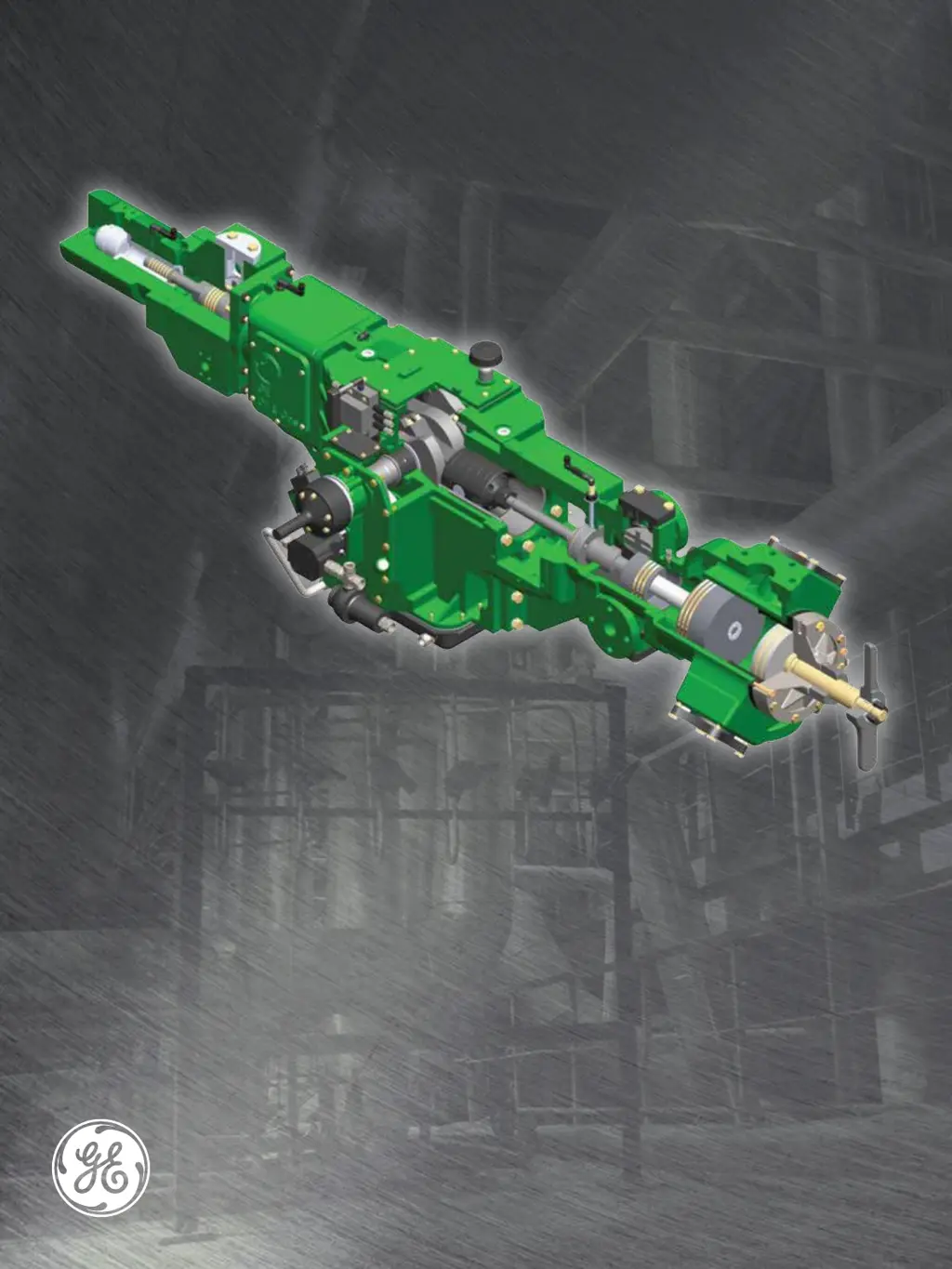
High speed reciprocating compressors
H301 and 302 series operating manual
GE Oil & Gas

Table of Contents

Questions and Answers

  • K
    Kenneth MooreAug 9, 2025
    Why is the discharge gas temperature high in my GE H302 Air Compressor?
    • S
      Shannon MitchellAug 9, 2025
      High discharge gas temperature in your GE Air Compressor can stem from several causes. It could be due to excessive compression ratio because of leaking suction valves or piston rings. Other potential causes include high cylinder suction gas temperature, reduced cylinder suction pressure, leaking discharge valves or piston rings, fouled intercooler piping, improper lube oil, or a change in cylinder mode of operation. To resolve this, inspect and repair any leaking suction valves or piston rings, reduce the cylinder suction gas temperature, remove any restrictions affecting cylinder suction pressure, replace leaking discharge valves or piston rings, clean the intercooler piping, select appropriate lube oil and adjust the rate, and adjust the operation mode as required.
  • M
    maustinAug 15, 2025
    What to do if there is excessive packing leakage in my GE Air Compressor?
    • J
      Jason BallAug 15, 2025
      If your GE Air Compressor has excessive packing leakage, it could be due to several reasons: worn packing rings, loose packing case bolts, incorrectly assembled/installed packing rings, improper lube oil selection, contaminants affecting packing rings, the packing not being properly seated, new packing installed on a worn rod or damaged packing case, improper packing ring clearance, or oil dilution from liquid carryover. You should replace worn packing rings, tighten packing case bolts, reassemble or reinstall packing rings correctly, select appropriate lube oil and adjust the lube rate, remove contaminants, ensure packing is properly seated, replace the worn rod or damaged packing case, adjust packing ring clearance and rectify liquid carryover issues.
  • H
    Heather RiveraAug 27, 2025
    Why is there low oil supply pressure in my GE Air Compressor?
    • P
      problesAug 27, 2025
      A low oil supply pressure in your GE Air Compressor can arise from several causes. These include a low oil level, oil pump failure, oil pulsations from excessively cold oil, an improperly adjusted oil pressure regulating valve, a dirty or collapsed oil filter element, a defective pressure gauge, oil foaming due to a high oil level, internal running gear leakage, or mechanical defects in the compressor frame. To resolve this, fill the oil to the correct level, repair or replace the oil pump, allow the oil to warm up to operating temperature, adjust the oil pressure regulating valve, replace the oil filter element, replace the defective pressure gauge, reduce the oil level, inspect and repair internal running gear, and inspect and repair any mechanical defects.
  • L
    Lisa WalkerSep 1, 2025
    What to do if my GE Air Compressor compressor will not rotate?
    • B
      Brian BrownSep 2, 2025
      If the compressor on your GE Air Compressor will not rotate, it could be due to cylinders gas pressure load, improper piston end clearance, foreign material in the cylinder, or a mechanical seizure in the running gear. To resolve this, remove excess gas pressure from cylinders, adjust piston end clearance, remove any foreign materials from the cylinder, and inspect and repair mechanical components.
  • J
    Jessica FletcherNov 20, 2025
    How to fix cylinder noise or knock in GE Air Compressor?
    • W
      William GonzalezNov 20, 2025
      If your GE Air Compressor exhibits cylinder noise or knock, several factors could be responsible. These include a piston loose on the rod, improper piston end clearance, a loose crosshead balance weight, a damaged crosshead or excessive clearance, loose crosshead pin or pin caps, a loose packing case or false head, broken or leaking valves, worn or damaged piston rings, a valve improperly seated or a damaged seat gasket, a loose VVCP Jam Nut, or a loose or broken VVCP piston. To address this, tighten the piston on the rod, adjust the piston end clearance, tighten the crosshead balance weight, replace or repair the crosshead, tighten the crosshead pin or pin caps, tighten the packing case or false head, replace or repair broken or leaking valves, replace worn or damaged piston rings, reseat...

Summary

Chapter 1: Getting Started

Safety Advisories

Precautions for hazards, compliance with safety regulations and standards.

Chapter 2: Introduction

Pre-Startup Checklist

Steps to verify before initial compressor loading.

Post-Startup Checklist

Steps to check and record data after compressor startup.

Chapter 3: General Data;Specifications

Chapter 4: Installation

Access and Safety

Considerations for space, crane facilities, and personnel hazards.

Skid Installation and Securing

Procedures for securely bolting the compressor skid to the foundation.

Alignment Procedures

Guidelines for ensuring proper alignment of the compressor and driver.

Fastener and Bolting Requirements

Specifications for hold-down bolting and fastener tightening.

Chapter 5: Operation

Operating Pressure Limits

Information on Maximum Allowable Working Pressure (MAWP) and Rated Discharge Pressure.

Cylinder Discharge Temperature Shutdown Settings

Recommendations for setting cylinder discharge temperature alarms and shutdowns.

Operational Testing Procedures

Guidelines for conducting initial no-load and initial load runs.

Compressor Startup and Shutdown

Procedures for safely starting and stopping the compressor.

Chapter 6: Lubrication

Oil Pressure and Filtration

Details on oil pressure settings, regulators, and filter upgrades.

Overpressure Protection and No-Flow Devices

Information on rupture assemblies and no-flow switches.

Cylinder Lubricants and Troubleshooting

Guidance on selecting cylinder lubricants and common lubrication issues.

Chapter 7: Vibration

Understanding Vibration Types

Explanation of common vibration types in reciprocating compressors.

Chapter 8: Maintenance

Maintenance Safety Precautions

Essential safety steps and precautions before performing maintenance.

Chapter 9: Troubleshooting

Troubleshooting Common Issues

Guide to identifying causes and effects of common compressor problems.

GE H302 Series Specifications

General IconGeneral
BrandGE
ModelH302 Series
CategoryAir Compressor
LanguageEnglish

Related product manuals